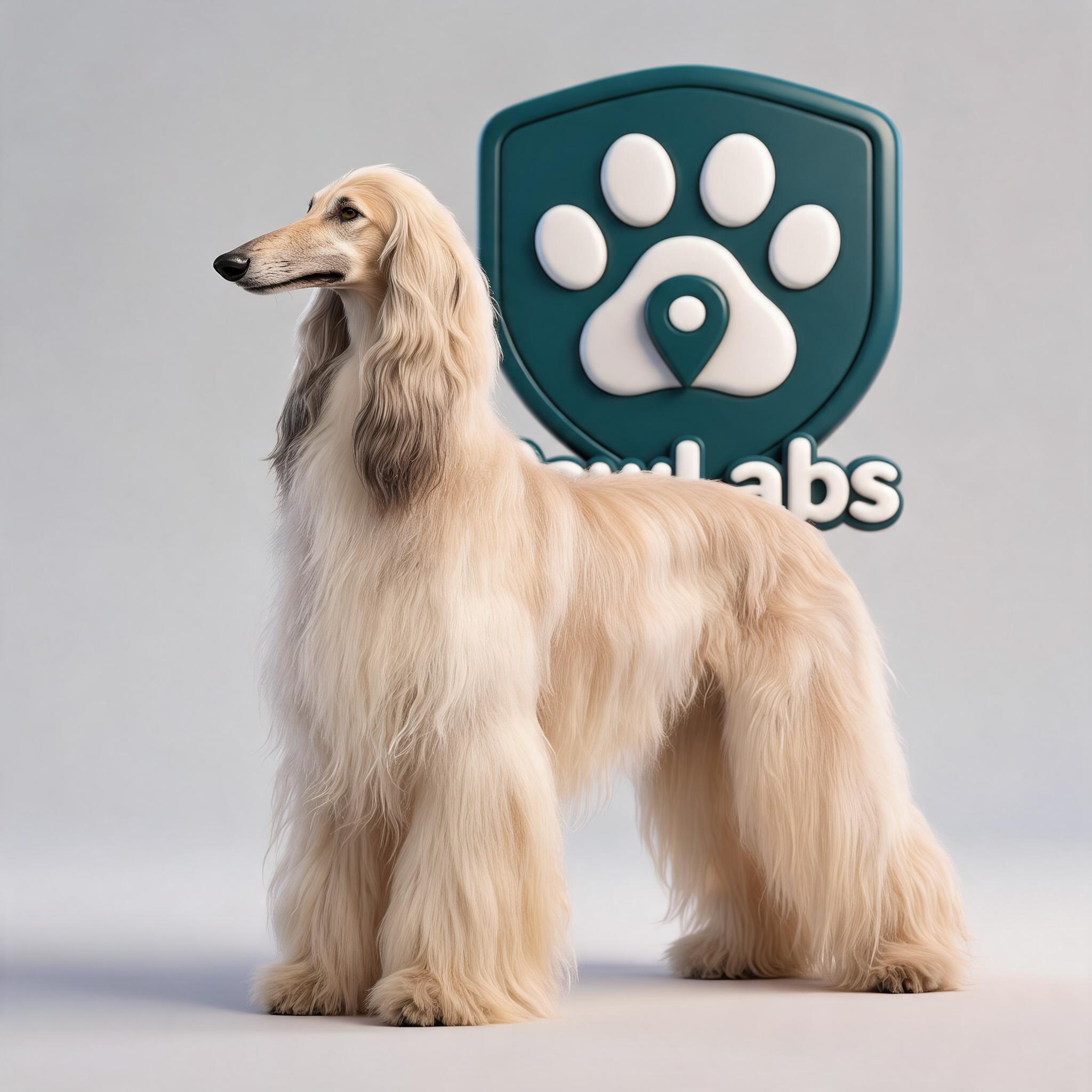
Afghan Hound
Elegant and aloof, the Afghan Hound is a regal sighthound with striking beauty.
Original Role: Hunting by sight
💪 Strengths
- + Stunning appearance with a unique, flowing coat
- + Athletic and agile, excels in lure coursing
⚠️ Weaknesses
- − Can be standoffish with strangers and other pets
- − High grooming demands and sensitivity to stress
📜 Breed History
The Afghan Hound traces its origins to the rugged mountains of Afghanistan, where it was bred by nomadic tribes for thousands of years to hunt large game like deer and wolves. Prized for its speed and agility on rough terrain, this sighthound relied on keen eyesight and independent thinking to track prey across vast, harsh landscapes. Often kept by royalty and nobles, the breed was a status symbol, its elegant silhouette a mark of prestige. The Afghan Hound's long, silky coat wasn’t just for show—it protected the dog from brutal winters and scorching summers in its homeland.
Westerners first encountered the breed in the early 19th century through British soldiers returning from the region, but it wasn’t until the early 20th century that Afghan Hounds gained prominence in Europe and America. The breed was officially recognized by the American Kennel Club in 1926, and its striking looks quickly made it a darling of dog shows. I’ve always been fascinated by how this ancient hunter transitioned into a glamorous show dog, yet retained that wild, untamed spirit. Today, while some still participate in lure coursing, most Afghan Hounds are cherished companions, their history as fierce hunters a quiet undercurrent to their aloof demeanor.
The Afghan Hound: A Majestic Beauty with a Mind of Its Own
I’ve spent enough time around Afghan Hounds to know they’re not just a pretty face—though, heaven knows, they’re one of the most stunning breeds I’ve ever laid eyes on. With that flowing, silky coat and those soulful, almond-shaped eyes, they look like they’ve stepped out of a Renaissance painting. But don’t let the elegance fool you. Beneath that regal exterior is a dog with the heart of an ancient hunter, fiercely independent and often more interested in chasing a squirrel than cuddling on your lap. I’ve watched an Afghan Hound ignore every command I gave, only to bolt across a field with the grace of a gazelle the moment something caught its eye. Living with one means embracing their quirks, their aloofness, and their undeniable charm.
Temperament & Personality
Day-to-day life with an Afghan Hound feels like cohabitating with a cat in a dog’s body. They’re dignified, often to the point of being standoffish, and they’ll decide when—or if—they want your affection. I’ve had moments where an Afghan will rest its head on my knee, gazing up with an almost human expression of tenderness, only to walk away five minutes later like I don’t exist. They’re not overly eager to please, and their independent streak can make them seem aloof, especially with strangers. With family, they can be gently affectionate, but don’t expect a tail-wagging, over-the-top welcome when you get home. I’ve seen them get along with kids if raised with them, though their patience wears thin with rough play. And other pets? They might tolerate a cat, but their prey drive often kicks in with smaller animals—don’t be surprised if they give chase.
Exercise & Activity Needs
Afghan Hounds were bred to sprint across mountainous terrain, so they’ve got a decent amount of energy to burn. I’m talking about a good hour of exercise daily, ideally with space to run. A fenced yard is a must because, trust me, if they spot something interesting, they’re gone in a flash—and they’re fast enough to outrun most other breeds. I’ve taken Afghans on long walks, and they’ll trot along with that signature bouncy gait, but they truly shine when they can stretch their legs in a safe, open area. Lure coursing is a fantastic outlet if you can find a local club; I’ve watched their eyes light up as they chase that artificial prey. Without enough activity, they can get bored, and a bored Afghan might just redecorate your home with chewed shoes or shredded curtains.
Training & Intelligence
Training an Afghan Hound is not for the faint of heart. They’re intelligent, no question, but they use that brainpower to decide whether they feel like listening to you. I’ve spent hours trying to teach basic commands like ‘sit’ to an Afghan, only to get a blank stare that practically screams, ‘Why should I?’ They’re not motivated by pleasing you the way a Labrador might be; you’ve got to make it worth their while with high-value treats or a game they enjoy. Positive reinforcement works best, but even then, consistency is a slog. Their independent nature, a remnant of their hunting days, means they often prioritize their instincts over your agenda. I’ve found early socialization helps with their aloofness, but don’t expect a dog that’ll ace obedience trials. They’re more likely to win a beauty contest than a ‘good boy’ award.
Health & Lifespan
Afghan Hounds generally live a decent 12 to 15 years, which is solid for a large breed. But they’re not without health challenges. Hip dysplasia can crop up, as can cataracts—I’ve known a few Afghans who needed eye surgery in their later years. Bloat is another concern, especially since they’re deep-chested; I always advise feeding smaller, frequent meals and avoiding exercise right after eating. They’re also prone to allergies, which can irritate their skin under all that hair, leading to pricey vet visits if not managed. And here’s something I’ve noticed firsthand: they’re sensitive to anesthesia, so always discuss this with your vet before any procedure. Regular checkups are non-negotiable, and budgeting for potential issues is smart—these aren’t the cheapest dogs to maintain health-wise.
Grooming & Maintenance
If you’re not ready to spend serious time on grooming, an Afghan Hound isn’t for you. That gorgeous, long, silky coat is a full-time job. I’ve spent hours brushing out tangles after a single romp in the yard—mud and burrs cling to them like glue. You’re looking at a thorough brushing at least twice a week, and many owners opt for professional grooming every few months to keep the coat manageable. Baths are frequent too, since dirt shows up fast on those light colors, but over-bathing can dry out their skin. I’ve also clipped their facial hair to keep it out of their eyes, though some owners leave it long for that classic look. Shedding isn’t excessive compared to, say, a German Shepherd, but you’ll still find hair on your couch. And don’t forget their ears—those long, pendulous flaps need regular cleaning to avoid infections.
Diet & Nutrition
Feeding an Afghan Hound requires a bit of thought. They’re lean, athletic dogs, so a high-quality diet with good protein content keeps their muscles strong without packing on extra weight. I’ve fed mine a mix of premium kibble and occasional raw meat, portioned carefully to avoid overfeeding—they can look underweight naturally due to their build, but don’t let that trick you into giving extra. Two meals a day works best to reduce bloat risk, and I always keep fresh water handy, especially after exercise. Some Afghans are picky eaters; I’ve had to experiment with different brands to find one they’d consistently touch. Watch for food allergies too, as they can manifest in skin issues under all that fur. Consulting with a vet for a tailored plan isn’t a bad idea, especially if your dog has a sensitive stomach.
Living Conditions
Afghan Hounds can adapt to various living situations, but they’re not ideal for tiny apartments. They need room to move, and a home with a securely fenced yard is best—I can’t stress the ‘secure’ part enough, as they’ll jump or dig under a flimsy barrier if motivated. They’ve got a moderate tolerance for weather; that thick coat helps in the cold, but they overheat easily in hot, humid climates. I’ve seen Afghans pant heavily after minimal exertion in summer, so shade and cool water are musts. They’re not outdoor dogs by nature—they prefer lounging on your couch over sleeping in a kennel. Quiet households suit them better than chaotic ones; their sensitive, aloof temperament doesn’t mesh well with constant noise or disruption.
Who Should Get This Breed
An Afghan Hound is a dream for someone who values beauty and uniqueness in a dog and doesn’t mind a pet with a strong personality. If you’re an experienced owner who’s got the time for grooming and the patience for their independent streak, you’ll find a loyal, if somewhat detached, companion. They’re perfect for folks who enjoy outdoor activities like hiking or running, as long as it’s in a safe, enclosed space. I’ve known artists and creative types who adore their Afghans, treating them almost like living sculptures. If you live in a calm, stable home without a revolving door of strangers, and you’re ready to embrace a dog that’s more partner than follower, this breed could steal your heart.
Who Should NOT Get This Breed
If you’re a first-time dog owner or someone craving a clingy, obedient buddy, steer clear of the Afghan Hound. They’re not going to fawn over you or follow your every command, and I’ve seen new owners get frustrated fast with their aloofness. Families with very young, rambunctious kids might struggle too—their patience for chaos is low, and they’re not built for roughhousing. If you can’t commit to the grooming demands or don’t have a fenced area for safe exercise, you’ll both be miserable. And honestly, if you’re looking for a guard dog or a social butterfly to greet every guest, this isn’t the breed—I’ve watched Afghans completely ignore visitors unless there’s a treat involved. They’re a commitment, not a casual choice.
❓ Afghan Hound FAQs
The questions people ask most, answered from this breed's trait scores.
Is the Afghan Hound good with children?
The Afghan Hound scores 5/10 for child-friendliness, making it usually fine with children who have been taught to handle a dog respectfully. That score reflects the breed's typical temperament, not any individual animal — early socialisation and how the dog was raised matter just as much. Supervise interactions with toddlers whatever the breed.
Does the Afghan Hound get along with other pets?
Scoring 4/10 for pet-friendliness, the Afghan Hound is prone to friction with other animals, and needs careful, slow introductions. Prey drive matters here as well as sociability: breeds built to chase can live happily with a household cat they grew up with and still pursue an unfamiliar one.
How much exercise does the Afghan Hound need?
The Afghan Hound rates 6/10 for energy and needs about an hour a day. The breed was originally developed for hunting by sight, which is where that requirement comes from.
Does the Afghan Hound shed a lot?
At 5/10 for shedding, the Afghan Hound sheds a moderate amount year-round. It has a long silky coat. Worth knowing: low shedding is not the same as hypoallergenic — most people react to proteins in dander and saliva, not to hair itself, so no breed is genuinely allergy-free.
Is the Afghan Hound easy to train?
The Afghan Hound scores 3/10 for trainability, making it independent-minded and slow to comply, which takes patience. It scores 6/10 for intelligence — worth separating from trainability, because a clever breed that has decided not to listen is harder work than a simpler one that wants to.
What is the average lifespan of the Afghan Hound?
The Afghan Hound typically lives 12–15 years. We rate the breed 6/10 for general health robustness. Individual lifespan depends heavily on genetics, weight management and veterinary care.
How big does the Afghan Hound get?
A full-grown Afghan Hound usually weighs 50–60 lbs and stands roughly 25–27 inches at the shoulder. That places it in the large size band. Males generally sit at the upper end of both ranges.
Does the Afghan Hound bark a lot?
Rated 3/10 for barking, the Afghan Hound is fairly quiet and tends to bark only with reason. Training and adequate exercise both reduce nuisance barking, but they will not turn a naturally vocal breed into a silent one.
Is the Afghan Hound suited to apartment living?
The Afghan Hound is a difficult fit for apartment living. It scores 5/10 for adaptability, 6/10 for energy and 3/10 for barking — the three traits that decide this. Floor space matters far less than whether the breed can settle indoors and stay quiet while you are out.
Is the Afghan Hound a good choice for first-time owners?
On balance the Afghan Hound is better suited to someone who has raised a dog before, based on its trainability (3/10), adaptability (5/10) and energy level (6/10). The most common reason a first dog does not work out is a mismatch between the breed's daily needs and the owner's actual routine, rather than anything about the breed itself.
Written and reviewed by PawLabs Editorial Team
We build PawLabs from published kennel club breed standards and veterinary reference sources. Profiles are drafted with AI assistance against that source data, then reviewed and corrected by a person before anything is published. We say so because you should know how the thing you're reading was made. How we research breeds · Report a correction
Note: Breed profiles are general reference, not veterinary advice. For anything concerning your own animal, talk to a vet who can examine them.