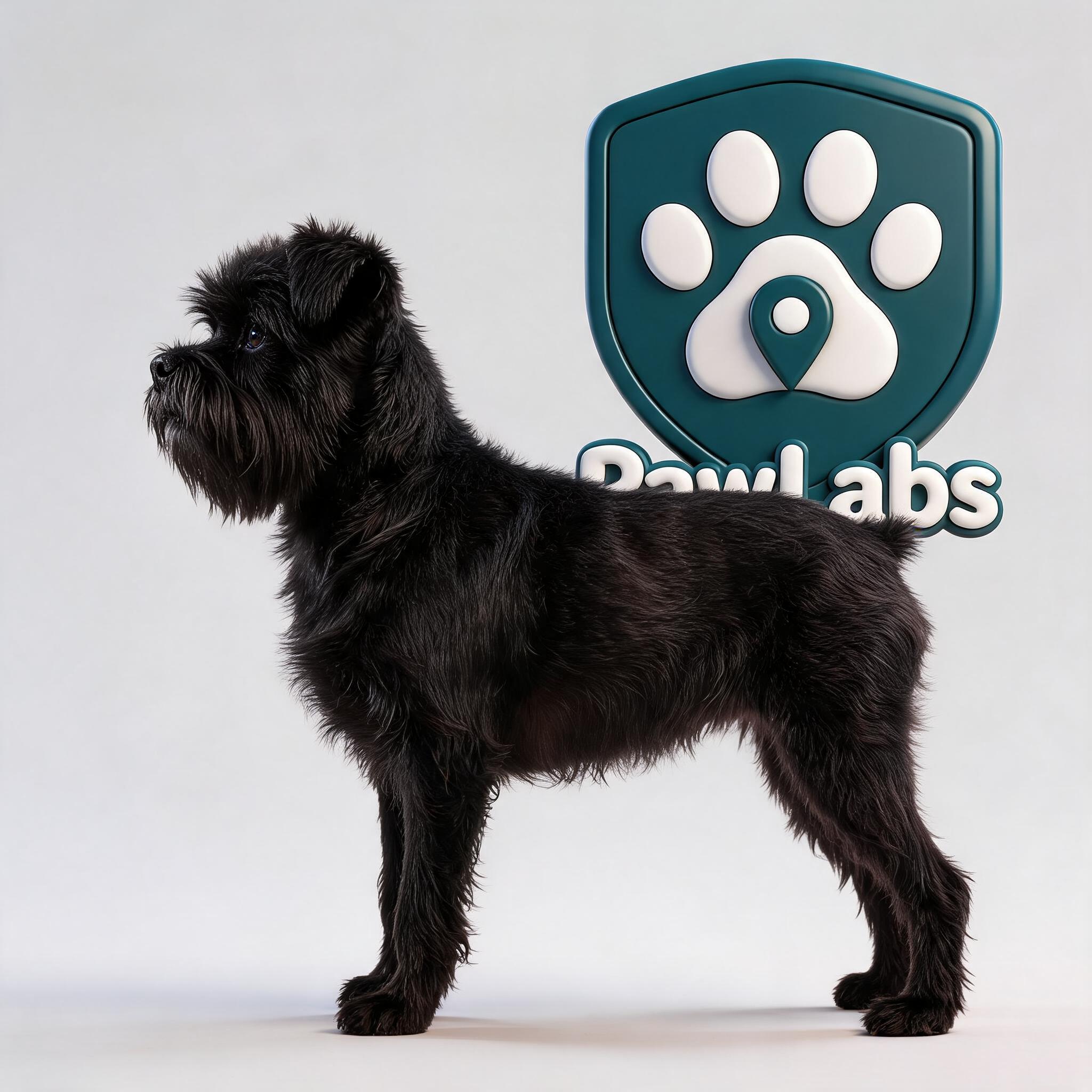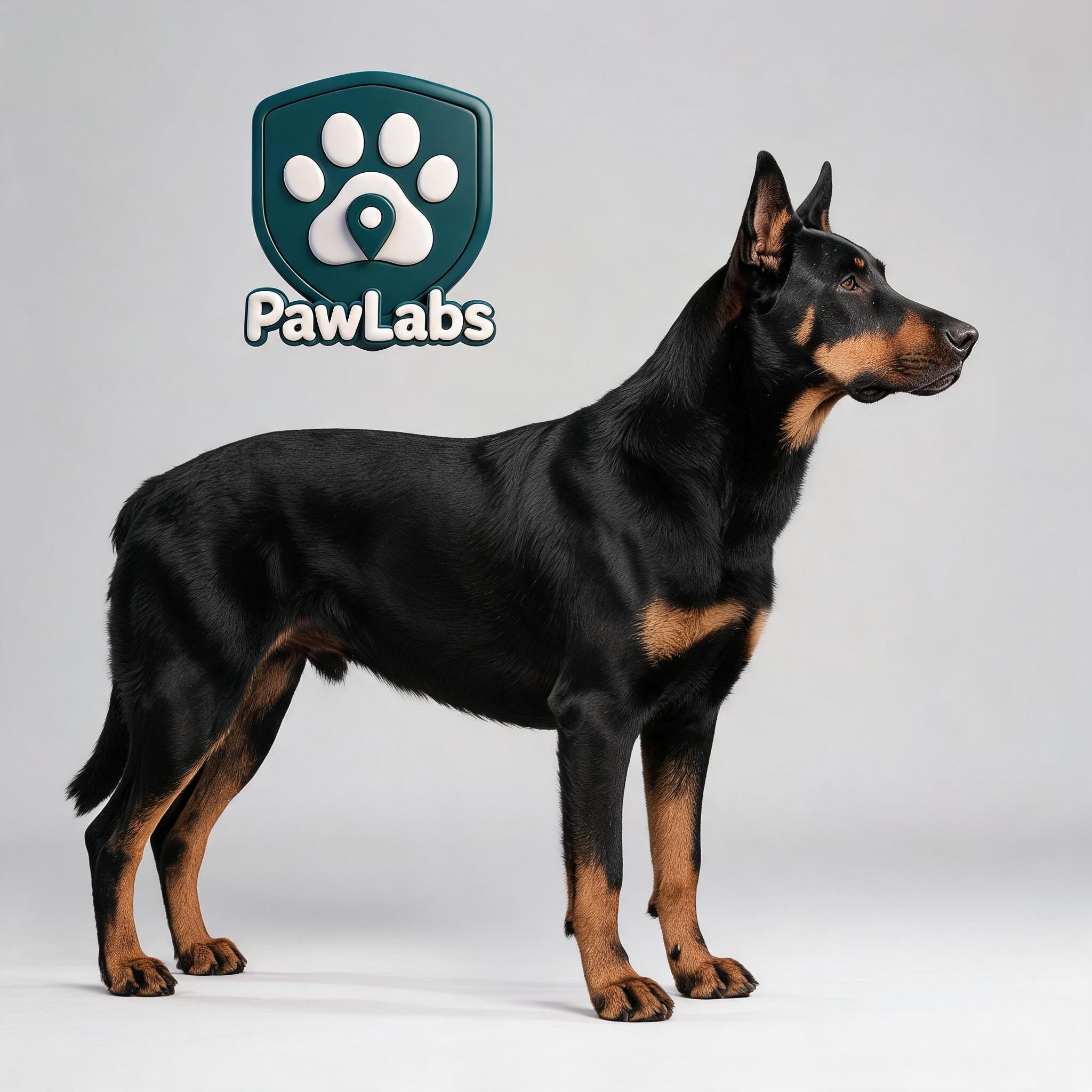
Beauceron
A powerful, intelligent French herding dog with unwavering loyalty.
Original Role: Herding and guarding livestock
💪 Strengths
- + Exceptional work ethic and problem-solving ability
- + Natural guarding instincts
⚠️ Weaknesses
- − Can be aloof or wary with strangers
- − High exercise and mental stimulation needs
📜 Breed History
The Beauceron hails from the plains of central France, where it emerged as a versatile herding and guarding dog as early as the 16th century. Known as the 'Bas-Rouge' or 'red stockings' due to the tan markings on its legs, this breed was developed by French shepherds who needed a dog capable of both managing large flocks and protecting them from predators like wolves. Unlike many herding breeds that simply control livestock, the Beauceron was bred for dual-purpose grit—herding by day, guarding by night. Its imposing size and fearless demeanor made it a natural deterrent to threats, both animal and human.
By the late 19th century, the breed was standardized, with the first Beauceron club formed in 1897. It nearly split into two breeds—one for herding, one for guarding—but breeders united under a single standard, emphasizing its versatility. During World Wars I and II, Beaucerons served as messenger dogs and sentinels in the French army, showcasing their intelligence and bravery. Though still rare outside France, the breed was recognized by the American Kennel Club in 2007. Today, while some still work livestock, most Beaucerons are family protectors or competitors in dog sports, carrying forward their legacy of strength and loyalty.
The Beauceron: A French Powerhouse of Loyalty and Drive
I’ve spent years around Beaucerons, and let me tell you, this is not a dog for the faint of heart. They’re a rare French herding breed with the build of a tank and the mind of a chess master. I’ve watched a Beauceron stare down a charging ram without flinching, then turn around and gently nudge a toddler away from a busy road. They’re protective to their core, but that intensity comes with a need for purpose. If you don’t give them a job, they’ll find one—usually involving your favorite shoes or a freshly dug hole in the yard. This is a breed that demands respect, engagement, and space to thrive.
Temperament & Personality
Living with a Beauceron feels like having a silent bodyguard who’s always two steps ahead of you. They’re deeply loyal, often bonding intensely with one or two people in the household. I’ve seen them follow their owner from room to room, not out of clinginess, but because they feel it’s their duty to keep watch. With family, they can be affectionate in a reserved way—a quiet lean against your leg rather than a slobbery lap dog. But with strangers? Good luck. They’re naturally suspicious, and I’ve had friends freeze when my Beauceron gave them that piercing, unblinking stare. Early socialization is non-negotiable unless you want a dog that barks at every passerby. They’re not aggressive by default, but they’ll step up if they sense a threat, real or perceived.
Exercise & Activity Needs
Beaucerons are not couch potatoes. They were bred to patrol vast French plains for hours, herding sheep and fending off wolves. I’ve taken mine on 5-mile runs at dawn, only to come home and find them pacing the yard, ready for more. You’re looking at a minimum of 90 minutes of vigorous exercise daily—think long hikes, fetch sessions, or agility courses. Mental stimulation is just as critical. I’ve hidden toys around the house to keep mine occupied, because a bored Beauceron will redesign your furniture. Without enough activity, their pent-up energy turns destructive or manifests as stubbornness. They need space to roam, not just a quick walk around the block.
Training & Intelligence
Training a Beauceron is both a joy and a test of patience. Their intelligence is off the charts—I’ve taught mine complex commands like 'find the keys' in under a week. They pick up on patterns fast, sometimes faster than you intend. But here’s the catch: they’re not eager-to-please like a Labrador. They’ll look at you as if to say, 'Why should I?' if they don’t respect your authority. I’ve had to be firm but fair, using positive reinforcement and never letting them win a battle of wills. Start training early, because a 100-pound dog with an independent streak is a handful. They excel in obedience, protection sports, and herding trials, but only if you establish yourself as the leader from day one.
Health & Lifespan
Beaucerons are generally hardy, with a lifespan of 10 to 12 years, but they’re not without health concerns. Hip dysplasia is a big one—I’ve known several owners who faced pricey surgeries because their dog’s hips gave out by age 8. Elbow dysplasia and bloat are also risks, especially given their deep chest and active lifestyle. I always keep an eye on their eating pace to prevent bloat, feeding smaller meals twice a day. Heart conditions like dilated cardiomyopathy can crop up too, so regular vet checkups with cardiac screenings are a must. They’re not a breed with endless issues, but when problems hit, they can be serious and expensive. Budget for potential joint supplements or emergency care if you’re considering one.
Grooming & Maintenance
Grooming a Beauceron is thankfully low-key compared to their exercise needs. Their short, double coat sheds moderately, with heavier shedding in spring and fall. I brush mine once a week with a slicker brush to keep loose hair under control, though I’ll ramp it up to twice weekly during shedding season. Baths are rare—only when they’ve rolled in something foul after a muddy hike. Their ears need checking for debris since they’re prone to infections if dirt builds up. I’ve also learned to keep their nails trimmed short; those big paws can do damage if they’re not maintained. It’s not a high-maintenance routine, but you’ll still find black and tan fur on your couch if you slack off.
Diet & Nutrition
Feeding a Beauceron takes some thought. They’re large, active dogs, so they burn through calories—mine needs about 3 to 4 cups of high-quality kibble daily, split into two meals to reduce bloat risk. I’ve always opted for a diet rich in protein and healthy fats to support their muscle mass and energy levels. Some owners I know add raw food or supplements like fish oil for joint health, especially as they age. Be careful not to overfeed; I’ve seen Beaucerons pack on weight if portions aren’t controlled, and extra pounds stress their joints. Fresh water is non-negotiable, especially after exercise. They’re not picky eaters, but they’ll let you know if they’re hungry by staring holes through you at dinnertime.
Living Conditions
Don’t even think about a Beauceron if you live in a small apartment. They need space—a house with a fenced yard is ideal. I’ve tried keeping one in a smaller home with frequent outings, and it was a disaster; they paced endlessly and started chewing baseboards out of frustration. They’re built for rural or suburban life where they can patrol a territory. Climate-wise, their double coat handles cold well, but they overheat in extreme humidity. I always cut back on intense exercise during hot summers, sticking to early morning or evening walks. They’re not a breed that adapts easily to cramped or urban settings without serious effort on your part.
Who Should Get This Breed
If you’re an experienced dog owner with an active lifestyle, the Beauceron could be your perfect match. They thrive with people who have time to train, exercise, and engage them mentally—think farmers, runners, or folks into dog sports like Schutzhund. I’ve seen them do wonders for owners who live on acreage and want a protective companion for their property. If you’re looking for a dog that’s both a working partner and a loyal family member, and you’re willing to put in the effort to channel their drive, you’ll find few breeds as rewarding. They’re incredible for someone who values intelligence and strength over cuddly affection.
Who Should NOT Get This Breed
If you’re a first-time dog owner, live in a tiny space, or just want a low-energy pet to chill with, steer clear. Beaucerons aren’t for people who can’t commit to hours of daily activity or firm, consistent training. I’ve seen them overwhelm owners who underestimated their intensity—one friend had to rehome theirs after it became too protective and wouldn’t let guests near the house. They’re not ideal for families with very young kids unless you’re vigilant; their size and herding instincts can lead to accidental knocks. And if you’re away from home all day, forget it. They need interaction, not isolation, or they’ll turn destructive out of sheer boredom.
❓ Beauceron FAQs
The questions people ask most, answered from this breed's trait scores.
Is the Beauceron good with children?
The Beauceron scores 6/10 for child-friendliness, making it usually fine with children who have been taught to handle a dog respectfully. That score reflects the breed's typical temperament, not any individual animal — early socialisation and how the dog was raised matter just as much. Supervise interactions with toddlers whatever the breed.
Does the Beauceron get along with other pets?
Scoring 5/10 for pet-friendliness, the Beauceron is usually fine with other pets once introduced properly. Prey drive matters here as well as sociability: breeds built to chase can live happily with a household cat they grew up with and still pursue an unfamiliar one.
How much exercise does the Beauceron need?
The Beauceron rates 8/10 for energy and needs at least an hour to 90 minutes a day, and it should be real exercise rather than a stroll. Under-exercised, this is a breed that finds its own entertainment — usually at the expense of your furniture. The breed was originally developed for herding and guarding livestock, which is where that requirement comes from.
Does the Beauceron shed a lot?
At 6/10 for shedding, the Beauceron sheds a moderate amount year-round. It has a short double coat. Worth knowing: low shedding is not the same as hypoallergenic — most people react to proteins in dander and saliva, not to hair itself, so no breed is genuinely allergy-free.
Is the Beauceron easy to train?
The Beauceron scores 8/10 for trainability, making it responsive and straightforward to train. It scores 9/10 for intelligence — worth separating from trainability, because a clever breed that has decided not to listen is harder work than a simpler one that wants to.
What is the average lifespan of the Beauceron?
The Beauceron typically lives 10–12 years. We rate the breed 7/10 for general health robustness. Individual lifespan depends heavily on genetics, weight management and veterinary care.
How big does the Beauceron get?
A full-grown Beauceron usually weighs 70–110 lbs and stands roughly 24–28 inches at the shoulder. That places it in the large size band. Males generally sit at the upper end of both ranges.
Does the Beauceron bark a lot?
Rated 5/10 for barking, the Beauceron barks a moderate amount. Training and adequate exercise both reduce nuisance barking, but they will not turn a naturally vocal breed into a silent one.
Is the Beauceron suited to apartment living?
The Beauceron is a difficult fit for apartment living. It scores 6/10 for adaptability, 8/10 for energy and 5/10 for barking — the three traits that decide this. Floor space matters far less than whether the breed can settle indoors and stay quiet while you are out.
Is the Beauceron a good choice for first-time owners?
On balance the Beauceron is manageable for a first-time owner who is willing to put the work in early, based on its trainability (8/10), adaptability (6/10) and energy level (8/10). The most common reason a first dog does not work out is a mismatch between the breed's daily needs and the owner's actual routine, rather than anything about the breed itself.
Written and reviewed by PawLabs Editorial Team
We build PawLabs from published kennel club breed standards and veterinary reference sources. Profiles are drafted with AI assistance against that source data, then reviewed and corrected by a person before anything is published. We say so because you should know how the thing you're reading was made. How we research breeds · Report a correction
Note: Breed profiles are general reference, not veterinary advice. For anything concerning your own animal, talk to a vet who can examine them.