Chow Chow
A dignified, aloof lion-dog with a protective streak and striking looks.
Original Role: Guardian and companion
💪 Strengths
- + Strong protective instincts
- + Unique, striking appearance
⚠️ Weaknesses
- − Can be standoffish with strangers
- − High grooming needs
📜 Breed History
The Chow Chow, one of the oldest dog breeds in the world, hails from ancient China, with evidence of their existence dating back over 2,000 years. Often referred to as the 'lion-dog,' their origins are tied to the harsh, cold regions of northern China, where they were bred by nomadic tribes as multi-purpose working dogs. They guarded livestock, hunted, pulled sleds, and even served as a source of food and fur in desperate times—a stark reminder of their utilitarian roots. Their name likely derives from a pidgin English term used by merchants to describe miscellaneous cargo, reflecting how they were seen as just another item during trade.
Chow Chows were revered in Chinese culture, often kept by emperors and nobility, with depictions in ancient pottery and artwork showcasing their distinctive bear-like appearance and blue-black tongues. By the late 18th century, they began appearing in Europe, catching the eye of British royalty—Queen Victoria herself owned one. Their popularity surged in the West during the 20th century, especially in the 1980s, though their aloof temperament never made them a universal favorite. Recognized by the American Kennel Club in 1903 under the Non-Sporting Group, the Chow Chow remains a symbol of ancient dignity, bred more for companionship and guardianship today than their original rugged tasks.
A Majestic Guardian with a Mind of Its Own
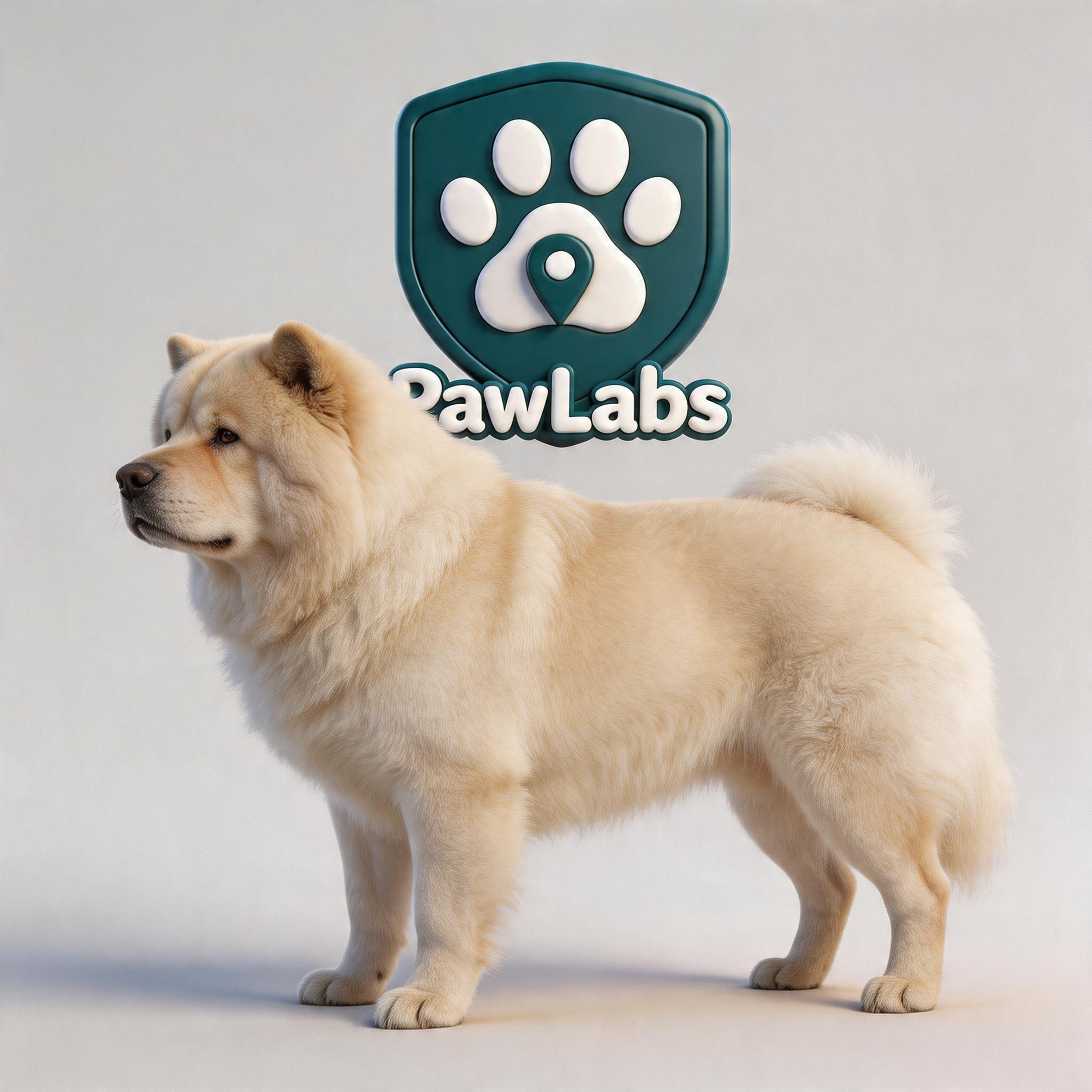
I’ve spent countless hours with Chow Chows over the years, and let me tell you, this breed is not for the faint of heart. They’re stunning to look at—think of a lion crossed with a bear, complete with a fluffy mane and that signature blue-black tongue—but beneath that regal exterior is a dog with a fiercely independent streak. I’ve watched a Chow Chow stare down a room full of strangers with the kind of quiet intensity that says, 'I’m watching you, and I don’t trust you yet.' They’re loyal to their core, but that loyalty is reserved for their chosen few. If you’re looking for a cuddly lapdog, keep scrolling. If you want a dignified protector who’ll make you earn their respect, the Chow Chow might just steal your heart.
Temperament & Personality
Living with a Chow Chow feels like sharing your home with a stoic monarch. They’re not the type to beg for attention or shower you with sloppy kisses. I’ve had Chows who’d sit at the edge of the room, observing me for hours before deciding it was time to grace me with their presence. Their aloofness isn’t coldness—it’s just who they are. They bond deeply with their family, often picking one person as their 'main human,' and I’ve seen them shadow that person with a quiet, protective devotion. But strangers? Forget it. They’re naturally suspicious, which makes them excellent watchdogs, though they’re not big barkers unless there’s a real threat.
They’ve got a stubborn side, too. I remember a Chow named Bao who refused to budge during a walk because he didn’t like the direction we were going. It wasn’t defiance—it was a statement. They’re not aggressive by nature, but they won’t hesitate to stand their ground if they feel threatened. With kids, they can be hit or miss. I’ve seen some tolerate little ones with saintly patience, but others get irritated by rough play. Early socialization is non-negotiable if you want a well-mannered Chow.
Exercise & Activity Needs
Chow Chows aren’t high-octane dogs, which can be a relief if you’re not up for marathon runs. They’re content with moderate exercise—think a couple of 20- to 30-minute walks a day. I’ve taken Chows on leisurely strolls through the park, and they’re happy to plod along, sniffing everything with a kind of deliberate curiosity. But don’t mistake their low energy for laziness. They’ve got a surprising amount of strength packed into those stocky frames, and if they’re under-exercised, they can get bored and destructive. I’ve seen one shred a throw pillow out of sheer frustration after being cooped up too long.
Mental stimulation matters just as much. They’re not as playful as some breeds, but a puzzle toy or a short training session can keep their minds engaged. Just don’t expect them to fetch a ball for hours—they’ll look at you like you’ve lost your mind.
Training & Intelligence
Training a Chow Chow is an exercise in patience. They’re smart, no doubt about it, but they’re not eager to please like a Labrador. I’ve worked with Chows who’d learn a command in a day but then decide they didn’t feel like doing it the next. It’s not that they don’t understand—they just don’t see the point unless there’s something in it for them. Positive reinforcement works best; harsh methods will backfire and make them shut down. I’ve had success with treats and praise, but even then, you’ve got to keep sessions short before they lose interest.
Housebreaking can be a slog. I’ve heard stories of Chows taking months to get the hang of it, and I’ve experienced it myself with a pup who seemed to think the living room rug was his personal bathroom. Consistency and a firm routine are your best friends here. Socialization is another uphill battle. They’re naturally reserved, so exposing them to different people, dogs, and environments from puppyhood is critical to avoid overprotectiveness.
Health & Lifespan
Chow Chows typically live 8 to 12 years, but they’re not the hardiest breed I’ve come across. Their deep-set eyes and heavy build come with a laundry list of potential health issues. Hip dysplasia is a big one—I’ve known several Chows who started limping by middle age, and surgery isn’t cheap, often running into the thousands. Elbow dysplasia crops up too, along with patellar luxation, where the kneecap slips out of place. Their eyes are prone to entropion, a painful condition where the eyelids roll inward, irritating the cornea. I’ve had to help owners navigate specialist vet visits for this, and it’s not a quick fix.
They’re also at risk for hypothyroidism and certain skin issues, especially if their thick coat isn’t kept clean. Heatstroke is a real danger—I’ve seen a Chow overheat on a mild 75-degree day because of that dense fur. Regular vet checkups are a must, and budgeting for potential health costs should be part of your plan. They’re not a breed you can skimp on care with.
Grooming & Maintenance
That glorious Chow Chow coat is a double-edged sword. It’s breathtaking—whether rough or smooth, it gives them that teddy bear look—but it’s a magnet for dirt and a nightmare to maintain. I’ve spent hours brushing out mats from a Chow’s mane after a muddy walk, and trust me, they don’t always sit still for it. You’re looking at a full grooming session at least once a week, more during their heavy shedding seasons in spring and fall. Their undercoat comes out in clumps; I’ve filled trash bags with fur during those times.
Bathing is another ordeal. Their coat takes forever to dry, and if you don’t get it fully clean, you’re risking skin infections. I’ve found that professional grooming every few months helps, but it adds up. Don’t forget their teeth, ears, and nails—neglect those, and you’re asking for trouble. They’re not low-maintenance by any stretch.
Diet & Nutrition
Feeding a Chow Chow requires some thought. They’re prone to weight gain if overfed, especially since they’re not overly active. I’ve seen a few tip the scales because their owners couldn’t resist those pleading eyes at dinner time. A high-quality kibble tailored to medium-sized breeds works well, usually 2 to 3 cups a day split into two meals, depending on their weight and activity level. Some do better on a diet with added joint supplements like glucosamine, especially as they age.
Bloat is a concern with their deep chest, so I always recommend feeding smaller, frequent meals and avoiding exercise right after eating. Allergies can pop up too—I’ve known Chows who needed grain-free or limited-ingredient diets to manage itchy skin. Work with your vet to nail down portions and watch for any sudden weight changes.
Living Conditions
Chow Chows can adapt to different living situations, but they’re not ideal for tiny apartments. They need space to sprawl out, and that thick coat means they overheat easily in cramped, stuffy environments. I’ve seen them thrive in homes with a small yard where they can potter around at their own pace. They’re not climbers or escape artists, so a basic fence works fine.
Climate is a bigger factor. They’re built for cold weather—think of their origins in northern China—so hot, humid areas are tough on them. I’ve had to cut walks short in summer to keep a Chow from panting too hard. If you’re in a warm region, air conditioning isn’t optional. They’re also not fans of being left alone for long stretches; I’ve seen separation anxiety manifest as chewing or pacing in some.
Who Should Get This Breed
If you’re a calm, confident person who values independence in a dog, the Chow Chow could be your match. They’re perfect for someone who wants a loyal companion and a natural protector without the constant need for interaction. I’ve seen them do well with experienced dog owners who understand boundaries and can commit to their grooming and health needs. If you live in a cooler climate and have a quiet household, even better. They’re a breed for those who appreciate subtlety over exuberance.
Who Should NOT Get This Breed
If you’re a first-time dog owner or craving a social butterfly, steer clear. Chow Chows aren’t going to win over your friends at the dog park, and I’ve seen owners get frustrated when their Chow refuses to play nice with other pets. They’re not great for families with young, rowdy kids—too much unpredictability can stress them out. If you’re in a hot climate or can’t dedicate time to grooming, you’ll both be miserable. And if you want a dog that hangs on your every word, this isn’t the one. They’re a commitment, and they demand respect, not blind obedience.
❓ Chow Chow FAQs
The questions people ask most, answered from this breed's trait scores.
Is the Chow Chow good with children?
The Chow Chow scores 4/10 for child-friendliness, making it better suited to households with older, calmer children. That score reflects the breed's typical temperament, not any individual animal — early socialisation and how the dog was raised matter just as much. Supervise interactions with toddlers whatever the breed.
Does the Chow Chow get along with other pets?
Scoring 4/10 for pet-friendliness, the Chow Chow is prone to friction with other animals, and needs careful, slow introductions. Prey drive matters here as well as sociability: breeds built to chase can live happily with a household cat they grew up with and still pursue an unfamiliar one.
How much exercise does the Chow Chow need?
The Chow Chow rates 4/10 for energy and needs roughly 30–45 minutes a day. The breed was originally developed for guardian and companion, which is where that requirement comes from.
Does the Chow Chow shed a lot?
At 7/10 for shedding, the Chow Chow sheds noticeably, and you will find hair on clothes and furniture. It has a long double coat. Worth knowing: low shedding is not the same as hypoallergenic — most people react to proteins in dander and saliva, not to hair itself, so no breed is genuinely allergy-free.
Is the Chow Chow easy to train?
The Chow Chow scores 4/10 for trainability, making it independent-minded and slow to comply, which takes patience. It scores 6/10 for intelligence — worth separating from trainability, because a clever breed that has decided not to listen is harder work than a simpler one that wants to.
What is the average lifespan of the Chow Chow?
The Chow Chow typically lives 8–12 years. We rate the breed 4/10 for general health robustness, so budget for the possibility of ongoing veterinary costs. Individual lifespan depends heavily on genetics, weight management and veterinary care.
How big does the Chow Chow get?
A full-grown Chow Chow usually weighs 45–70 lbs and stands roughly 17–20 inches at the shoulder. That places it in the medium size band. Males generally sit at the upper end of both ranges.
Does the Chow Chow bark a lot?
Rated 5/10 for barking, the Chow Chow barks a moderate amount. Training and adequate exercise both reduce nuisance barking, but they will not turn a naturally vocal breed into a silent one.
Is the Chow Chow suited to apartment living?
The Chow Chow is workable in an apartment provided its exercise needs are met properly. It scores 5/10 for adaptability, 4/10 for energy and 5/10 for barking — the three traits that decide this. Floor space matters far less than whether the breed can settle indoors and stay quiet while you are out.
Is the Chow Chow a good choice for first-time owners?
On balance the Chow Chow is better suited to someone who has raised a dog before, based on its trainability (4/10), adaptability (5/10) and energy level (4/10). The most common reason a first dog does not work out is a mismatch between the breed's daily needs and the owner's actual routine, rather than anything about the breed itself.
Written and reviewed by PawLabs Editorial Team
We build PawLabs from published kennel club breed standards and veterinary reference sources. Profiles are drafted with AI assistance against that source data, then reviewed and corrected by a person before anything is published. We say so because you should know how the thing you're reading was made. How we research breeds · Report a correction
Note: Breed profiles are general reference, not veterinary advice. For anything concerning your own animal, talk to a vet who can examine them.