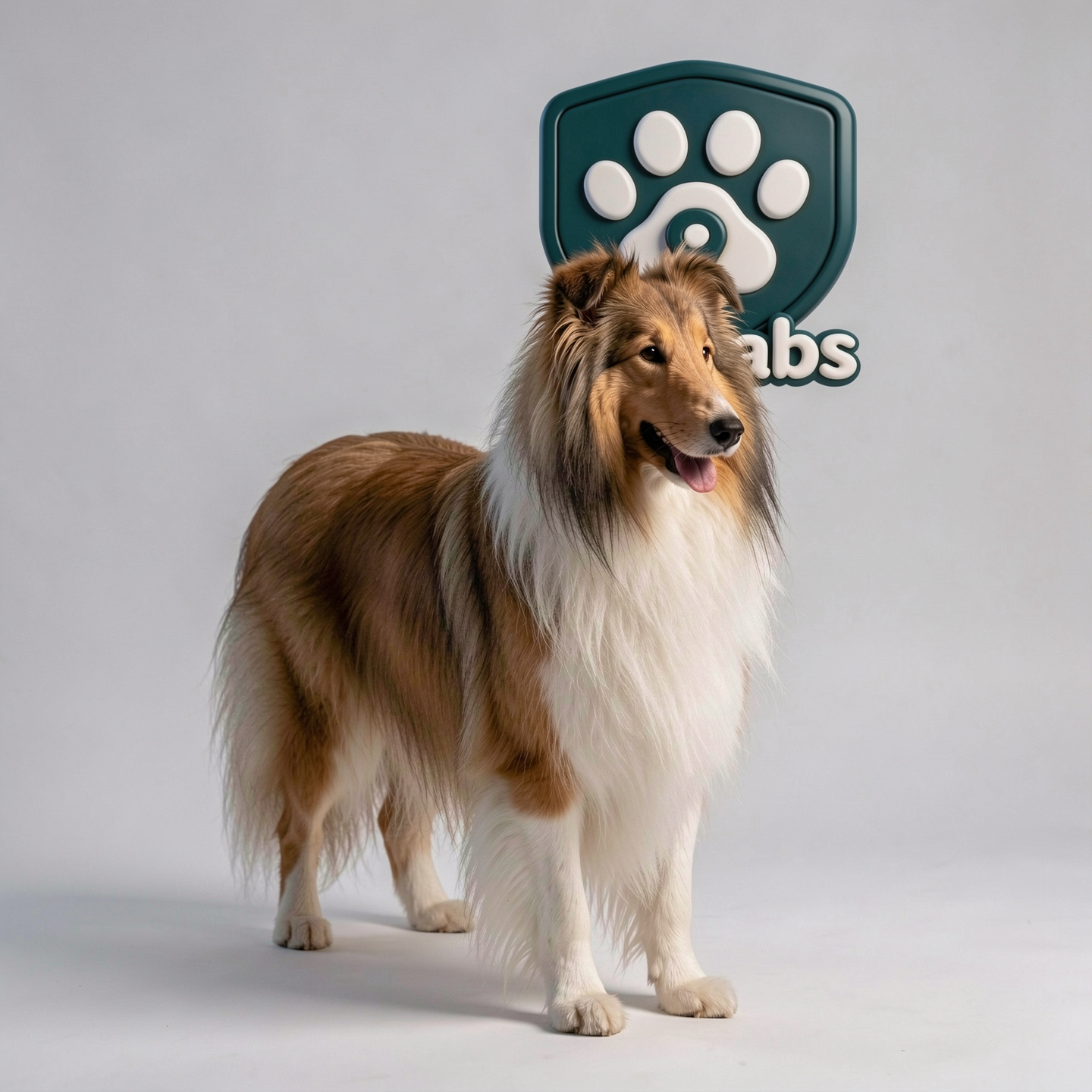
Collie
A graceful, intelligent herding dog with a heart of gold.
Original Role: Herding livestock
💪 Strengths
- + Exceptional intelligence and trainability for complex tasks
⚠️ Weaknesses
- − Can be overly sensitive to harsh tones or environments
📜 Breed History
The Collie, often romanticized as the quintessential farm dog, hails from the rugged highlands of Scotland, where it was developed as a herding dog for sheep and cattle. Dating back to at least the 18th century, these dogs were prized by shepherds for their uncanny ability to manage flocks with minimal guidance. The name 'Collie' likely derives from the Scottish word 'colley,' referring to black-faced sheep, which these dogs often guarded. Their intelligence and agility made them indispensable on the uneven terrain of the Scottish moors.
The breed gained wider recognition in the 19th century when Queen Victoria became enamored with them during her visits to Balmoral Castle, sparking interest among British aristocracy. This royal endorsement helped refine the Collie into the elegant, long-coated beauty we know today, though the working lines remained rougher and more utilitarian. The breed split into Rough and Smooth varieties, with the Rough Collie becoming the more iconic thanks to its flowing mane and expressive face. By the late 1800s, Collies were exported to America, where they excelled as both working dogs and companions. Their fame skyrocketed in the 20th century with the 'Lassie' franchise, cementing their image as the loyal, heroic family dog—a reputation that, while earned, sometimes overshadows their nuanced needs as a working breed.
The Collie: A Brilliant Mind in a Beautiful Coat
I’ve always said that living with a Collie is like having a furry chess master in your home—they’re three steps ahead of you before you’ve even figured out the game. These dogs, with their striking long coats and soulful eyes, are the epitome of grace and brains, but they’re not just a pretty face. I’ve spent years around Collies, from working lines on rural farms to pampered pets in suburban homes, and I can tell you they carry a deep-rooted instinct to protect and problem-solve that shapes every interaction. They’re not for everyone, though. Their sensitivity and need for mental stimulation can catch unprepared owners off guard. Let me walk you through what it’s really like to share your life with this Scottish legend.
Temperament & Personality
Collies are the kind of dogs that seem to read your emotions better than some humans do. I’ve watched a Collie named Bonnie gently nudge her owner’s hand during a tough day, as if she knew a cuddle was needed. They’re loyal to a fault, often bonding intensely with one or two family members, and they’ll shadow you from room to room with a quiet devotion. That said, their herding background means they’re wired to be alert and responsive—don’t be surprised if they try to 'herd' your kids or even the family cat by nudging or circling. They’re gentle with little ones, often playing with a softness that’s almost human-like, but they can be reserved with strangers until they’ve sized them up. Their sensitivity is a double-edged sword; a harsh word can crush their spirit, and I’ve seen Collies sulk for hours after a scolding. They thrive on harmony, so a chaotic household might stress them out.
Exercise & Activity Needs
Collies aren’t the highest-energy breed I’ve worked with, but they still need a solid hour or two of activity daily to keep them content. A long walk through the park or a good romp in the backyard does wonders, though they’re happiest when there’s a purpose to their movement. I’ve taken Collies on hikes where they seemed to revel in navigating tricky paths, their herding instincts kicking in to keep the group together. Mental exercise is just as critical—puzzle toys or teaching them new tricks will tire them out faster than a jog. If they’re under-stimulated, you might come home to a chewed slipper or a restless dog pacing at 5am, eager for something to do. They’re not Huskies, though; they won’t run you ragged if you skip a day here and there, especially as they age.
Training & Intelligence
Training a Collie is a joy if you’re patient and consistent. These dogs are wickedly smart—among the brightest I’ve encountered—and they pick up commands with startling speed. I taught a young Collie named Max to fetch specific toys by name in under a week. Their herding roots make them eager to please and responsive to direction, but they’re not robots. They’ll question you if they sense inconsistency, almost like they’re testing your logic. Positive reinforcement is the only way to go; I’ve seen Collies shut down completely under harsh methods. They excel in obedience, agility, and even therapy work because of their knack for reading cues. Start early, though—untrained Collies can develop bad habits like excessive wariness or nipping to herd people, which I’ve had to correct in rescue dogs more than once.
Health & Lifespan
Collies generally live 12 to 14 years, a decent span for a medium-sized breed, but they’re not without health quirks. The most notorious issue is Collie Eye Anomaly (CEA), a genetic condition that can range from mild vision impairment to blindness. I’ve known breeders who test religiously for this, and you should always ask for health clearances when getting a pup. Hip dysplasia pops up occasionally, as does epilepsy, which can be heartbreaking to manage. Then there’s their sensitivity to certain medications due to the MDR1 gene mutation—common drugs like ivermectin can be toxic, so vet bills can climb if you’re not with a knowledgeable practitioner. Regular checkups and a good pet insurance plan are wise investments. I’ve seen healthy Collies thrive into their teens with proper care, but neglect or bad breeding can cut that short fast.
Grooming & Maintenance
That gorgeous double coat—especially on Rough Collies—is a commitment. I’ve spent hours brushing out mats from a Collie’s mane after a muddy farm day, and I can tell you it’s not a casual chore. Weekly brushing (more during shedding season in spring and fall) is non-negotiable to keep their fur from turning into a tangled mess or carpeting your house. They shed a lot—I mean, you’ll find tufts in places you didn’t know hair could reach. Baths every six to eight weeks keep them fresh, though their coat repels dirt better than you’d expect. Smooth Collies are easier, with shorter fur, but they still drop plenty of hair. Nails, ears, and teeth need regular attention too; I’ve seen neglected Collie paws get painfully overgrown because owners underestimated the upkeep.
Diet & Nutrition
Feeding a Collie isn’t overly complicated, but their active minds and moderate energy levels mean they need quality fuel. I’ve fed adult Collies around 2 to 3 cups of high-quality kibble daily, split into two meals, though that varies with weight and activity. Puppies need more frequent meals to support growth—three to four small portions until they’re about six months old. They’re not prone to obesity if exercised properly, but I’ve seen bored Collies overeat out of stress, so monitor portions. Some have sensitive stomachs; I once had to switch a Collie named Daisy to a limited-ingredient diet after she couldn’t handle standard fare. Fresh water, occasional healthy treats like carrots, and avoiding human foods high in fat keep them in good shape. Always chat with your vet about specifics, especially if your Collie has the MDR1 mutation, as it can affect how they process certain nutrients or meds.
Living Conditions
Collies adapt well to various setups if their needs are met, but they’re not ideal for tiny apartments without serious effort. They do best in homes with a fenced yard where they can stretch their legs and patrol their territory—I’ve watched Collies pace fence lines like sentinels, clearly content to have a 'job.' They can handle cooler climates thanks to that thick coat, though they’ll overheat in extreme humidity or heat without shade and water. Indoors, they’re calm if exercised, often curling up near you for hours. I’ve seen them thrive in suburban settings with daily walks, but a rural environment suits their herding soul best. They’re not built for constant solitude; leaving them alone for 10 hours daily can trigger anxiety, and I’ve dealt with Collies who barked or chewed out of loneliness.
Who Should Get This Breed
If you’re an active person or family with time to invest in mental and physical stimulation, a Collie could be your perfect match. They shine with owners who enjoy training or want a dog for activities like agility or hiking—I’ve seen Collies light up when given tasks to solve. They’re fantastic for homes with kids, provided the children are taught to be gentle, as Collies often take on a protective, nurturing role. If you’re in a quieter household and crave a deep, almost intuitive bond with your dog, their loyalty will win you over. I’d recommend them to first-time owners who are willing to learn, as their intelligence makes them forgiving if you’re consistent. A Collie thrives with someone who sees their sensitivity as a strength, not a burden.
Who Should NOT Get This Breed
Collies aren’t for everyone, and I’ve seen mismatches that break hearts on both sides. If you’re away from home all day with no plan for companionship or stimulation, don’t get a Collie—they’ll suffer emotionally, and you’ll come home to a stressed, destructive mess. They’re not suited for folks who dislike grooming; that coat demands dedication, and I’ve met owners who gave up after a month of shedding chaos. If you prefer a low-maintenance, independent dog or live in a hot, humid area with no way to cool them down, look elsewhere. And honestly, if you’re prone to yelling or impatience, their sensitive nature will clash with your style—I’ve witnessed Collies wilt under harsh treatment. They need a partner, not just an owner, so if you can’t commit to that level of connection, pass on this breed.
❓ Collie FAQs
The questions people ask most, answered from this breed's trait scores.
Is the Collie good with children?
The Collie scores 8/10 for child-friendliness, making it a good match for families with children. That score reflects the breed's typical temperament, not any individual animal — early socialisation and how the dog was raised matter just as much. Supervise interactions with toddlers whatever the breed.
Does the Collie get along with other pets?
Scoring 7/10 for pet-friendliness, the Collie is generally sociable with other dogs and cats. Prey drive matters here as well as sociability: breeds built to chase can live happily with a household cat they grew up with and still pursue an unfamiliar one.
How much exercise does the Collie need?
The Collie rates 6/10 for energy and needs about an hour a day. The breed was originally developed for herding livestock, which is where that requirement comes from.
Does the Collie shed a lot?
At 8/10 for shedding, the Collie sheds noticeably, and you will find hair on clothes and furniture. It has a long double coat. Worth knowing: low shedding is not the same as hypoallergenic — most people react to proteins in dander and saliva, not to hair itself, so no breed is genuinely allergy-free.
Is the Collie easy to train?
The Collie scores 9/10 for trainability, making it exceptionally trainable, and happiest when it has something to learn. It scores 9/10 for intelligence — worth separating from trainability, because a clever breed that has decided not to listen is harder work than a simpler one that wants to.
What is the average lifespan of the Collie?
The Collie typically lives 12–14 years. We rate the breed 6/10 for general health robustness. Individual lifespan depends heavily on genetics, weight management and veterinary care.
How big does the Collie get?
A full-grown Collie usually weighs 50–75 lbs and stands roughly 22–26 inches at the shoulder. That places it in the medium size band. Males generally sit at the upper end of both ranges.
Does the Collie bark a lot?
Rated 5/10 for barking, the Collie barks a moderate amount. Training and adequate exercise both reduce nuisance barking, but they will not turn a naturally vocal breed into a silent one.
Is the Collie suited to apartment living?
The Collie is workable in an apartment provided its exercise needs are met properly. It scores 7/10 for adaptability, 6/10 for energy and 5/10 for barking — the three traits that decide this. Floor space matters far less than whether the breed can settle indoors and stay quiet while you are out.
Is the Collie a good choice for first-time owners?
On balance the Collie is a sound choice for a first-time owner, based on its trainability (9/10), adaptability (7/10) and energy level (6/10). The most common reason a first dog does not work out is a mismatch between the breed's daily needs and the owner's actual routine, rather than anything about the breed itself.
Written and reviewed by PawLabs Editorial Team
We build PawLabs from published kennel club breed standards and veterinary reference sources. Profiles are drafted with AI assistance against that source data, then reviewed and corrected by a person before anything is published. We say so because you should know how the thing you're reading was made. How we research breeds · Report a correction
Note: Breed profiles are general reference, not veterinary advice. For anything concerning your own animal, talk to a vet who can examine them.