Greater Swiss Mountain Dog
A gentle giant with a hardworking heritage and loyal heart.
Original Role: Draft work and livestock guarding
💪 Strengths
- + Exceptional strength and endurance for work
- + Calm and steady temperament with family
⚠️ Weaknesses
- − Prone to serious health issues
- − Requires significant space and exercise
📜 Breed History
The Greater Swiss Mountain Dog, often called the 'Swissy,' hails from the rugged Alps of Switzerland, where it was developed as a versatile working dog. Its origins trace back centuries, likely descending from large mastiff-type dogs brought to the region by the Romans over 2,000 years ago. These dogs were bred with local farm dogs to create a powerful, hardy breed capable of pulling carts, guarding livestock, and even serving as a butcher’s dog—hauling meat to market. The Swissy was indispensable to farmers, often pulling loads of milk and cheese through mountainous terrain with sheer muscle and determination.
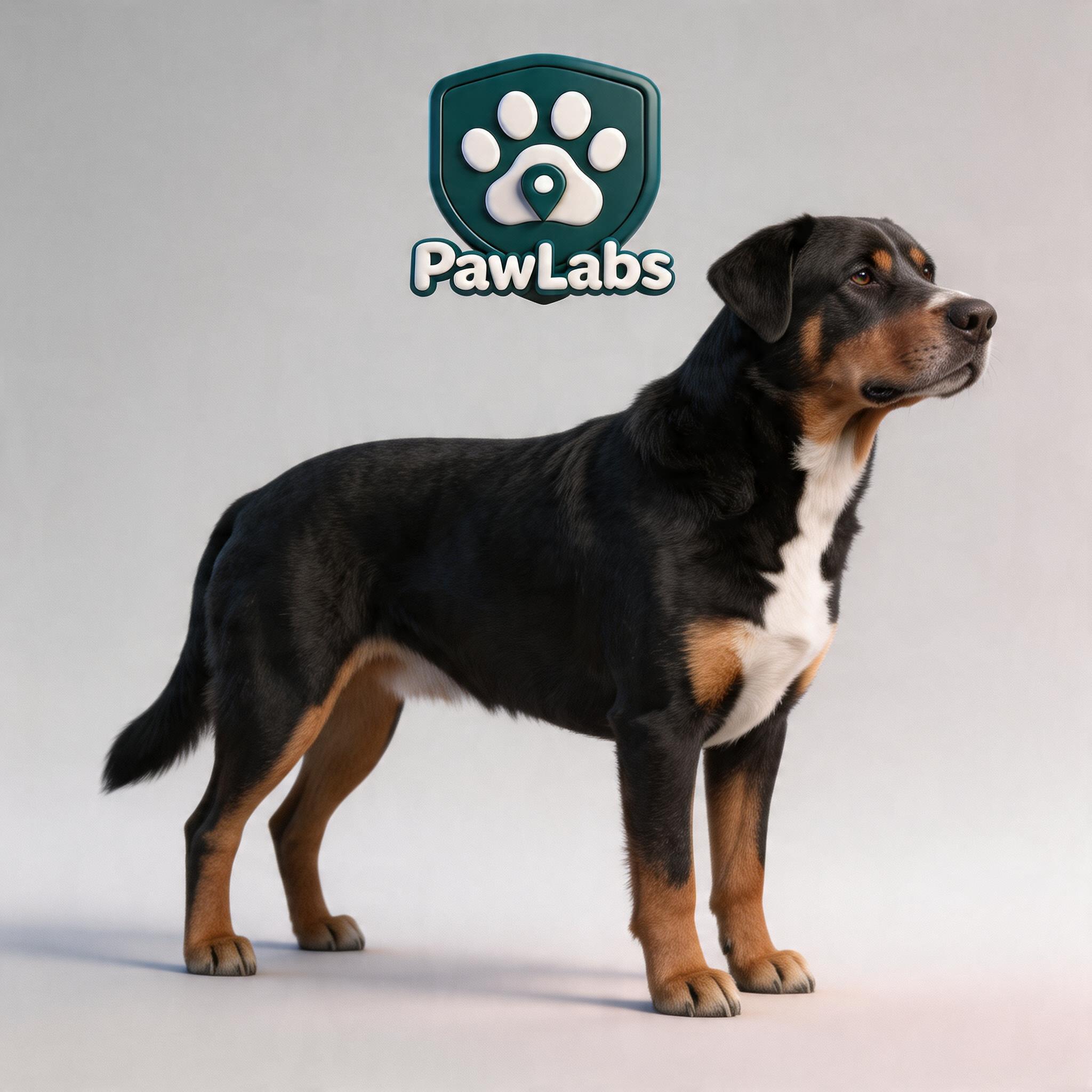
By the late 19th century, the breed nearly vanished as machinery replaced draft animals, but a dedicated Swiss breeder, Albert Heim, recognized its value and worked tirelessly to preserve it. In 1908, the Greater Swiss Mountain Dog was officially recognized by the Swiss Kennel Club, marking a key milestone in its revival. It’s considered the largest and oldest of the four Swiss mountain dog breeds, including the Bernese Mountain Dog, and was bred for function over flash—its striking tricolor coat of black, rust, and white was a happy accident. Today, while still rare outside Switzerland, the breed is cherished for its historical role and gentle nature, though it retains the working drive of its ancestors.
The Greater Swiss Mountain Dog: A Gentle Giant with a Workhorse Soul
I’ve spent years around Greater Swiss Mountain Dogs, and let me tell you, there’s nothing quite like sharing your home with a dog that could probably pull a small car if it wanted to. Known as the 'Swissy,' this breed is a true gentle giant—massive in size, often tipping the scales at over 100 pounds, but with a heart just as big. I’ve watched these dogs lumber through snowy fields with a quiet confidence, yet melt into a puddle of affection when a child climbs onto their back. They’re not just pets; they’re steadfast companions with a deep-rooted instinct to work and protect. But don’t be fooled by their calm demeanor—living with a Swissy means embracing their strength, their space needs, and a few health quirks that can catch new owners off guard.
Temperament & Personality
Day-to-day life with a Greater Swiss Mountain Dog feels like having a loyal bodyguard who’s also a bit of a softie. They’re incredibly devoted to their family, often shadowing me from room to room with a slow, deliberate gait. I’ve seen them stand watch at the window, ears perked for any odd noise, but they’re not overly reactive—more of a silent sentinel than a yappy alarm. With kids, they’re often patient and gentle, though their sheer size means you’ve got to supervise; a wagging tail can accidentally knock over a toddler. They’re not as outgoing with strangers as some breeds I’ve worked with. I remember one Swissy at a park who gave a low, rumbling growl to a passerby until I reassured him everything was fine. They’re protective, no doubt, but with proper socialization, they warm up—just don’t expect a Golden Retriever-level friendliness.
Exercise & Activity Needs
These dogs were bred to haul carts through the Alps, so they’ve got stamina, even if they’re not hyperactive. I’ve taken Swissies on long hikes—two hours or so—and they keep up without breaking a sweat, their powerful legs churning through rough terrain. They need at least an hour of solid exercise daily, whether it’s a brisk walk, a pulling session with a weighted cart if you’re into that, or just roaming a big yard. Without it, they can get bored, and a bored Swissy might start nudging furniture around with their bulk. They’re not sprinters, though; don’t expect them to chase a ball for hours like a Border Collie. I’ve noticed they’re happiest with steady, purposeful movement—think more farmer’s companion than agility star.
Training & Intelligence
Training a Greater Swiss Mountain Dog is a mixed bag. They’re smart enough to learn commands, and I’ve taught several to sit, stay, and even pull on cue, but they’ve got a stubborn streak. If they don’t see the point of what you’re asking, good luck convincing them. I remember one Swissy who just plopped down mid-session, staring at me like I was wasting his time with a 'heel' command. Consistency and patience are key—they respond to firm, fair leadership, not harshness. Their working background means they thrive on tasks with a purpose, like carrying a backpack on walks. Start socialization early, too; their protective nature can turn into over-guarding if they’re not exposed to new people and places as pups.
Health & Lifespan
Here’s where my heart sinks a bit with Swissies. They’re prone to some serious health issues, and I’ve seen too many owners blindsided by vet bills. Hip and elbow dysplasia are common in these big dogs— I’ve known a few who needed surgery before age five because their joints couldn’t handle their weight. Bloat, or gastric torsion, is another real risk; I always feed them smaller meals and avoid exercise right after eating to minimize it. Then there’s epilepsy and a shorter-than-average lifespan of 8 to 11 years. I’ve said goodbye to Swissies far sooner than I’d hoped, and it stings every time. Regular vet checkups and a good breeder who screens for genetic issues are non-negotiable. Expect to budget for potential orthopedic or emergency care—this isn’t a low-maintenance breed health-wise.
Grooming & Maintenance
Grooming a Swissy is mercifully straightforward compared to some fluffier breeds I’ve dealt with. Their short, double coat sheds moderately, especially during spring and fall, so I’ve spent plenty of afternoons brushing out clouds of black and rust fur. A weekly brush with a slicker or undercoat rake keeps it manageable, though. Baths? Only when they roll in something foul—their coat doesn’t hold odor much, in my experience. I do check their ears regularly; their size means airflow isn’t great, and I’ve caught a couple of mild infections over the years. Nails need trimming every few weeks since they’re not always worn down naturally, and don’t skip dental care—big dogs can rack up tartar fast.
Diet & Nutrition
Feeding a Greater Swiss Mountain Dog is like fueling a small truck. They eat a lot—think 4 to 5 cups of high-quality kibble daily for an adult, split into two meals to reduce bloat risk. I’ve always gone for food formulated for large breeds to support joint health, often adding glucosamine supplements as they age. Puppies need careful portion control; I’ve seen owners overfeed thinking bigger is better, only to stress growing bones. They’re not overly picky eaters in my experience, but some can be prone to weight gain if you’re not strict—those soulful eyes begging for scraps are hard to resist. Fresh water is a must, especially after exercise; I’ve had Swissies drain a bowl in seconds on hot days.
Living Conditions
Swissies are not apartment dogs, full stop. Their size alone—up to 140 pounds—means they need space to stretch out, and I’ve seen them look downright miserable in cramped quarters. A house with a fenced yard is ideal, somewhere they can lumber around without knocking over your coffee table. They were bred for the cool Alps, so they handle cold weather like champs, often lying contentedly in snow while I’m shivering. Heat, though? They struggle. I’ve had to limit outdoor time during humid summers, keeping them in air-conditioned rooms with plenty of shade. They’re adaptable to rural or suburban life as long as they’ve got room to roam, but city living is a stretch unless you’re near a big park.
Who Should Get This Breed
If you’re an active person with a big home and a love for large, loyal dogs, the Greater Swiss Mountain Dog might be your match. I’ve seen them thrive with owners who hike regularly or live on acreage where the dog can patrol and feel useful. Families with older kids who understand boundaries do well, too—Swissies are gentle but need space. If you’ve got experience with big breeds and don’t mind investing time in training and health care, their steadfast companionship is a reward like no other. I’ve watched owners beam with pride as their Swissy pulls a cart at a local fair, tapping into that deep working heritage.
Who Should NOT Get This Breed
On the flip side, if you live in a small apartment or can’t commit to daily exercise, please think twice. I’ve met heartbroken owners who underestimated the Swissy’s space and activity needs, leading to a frustrated, understimulated dog. First-time dog owners might struggle with their stubbornness and protective instincts— they’re not a plug-and-play pet. If you’re on a tight budget, the potential vet costs for joint issues or emergencies can be a dealbreaker; I’ve seen bills stack up fast. And if you’re away from home for long stretches, they’re not the best fit—their loyalty means they crave your presence, and I’ve witnessed separation anxiety turn destructive in this breed.
❓ Greater Swiss Mountain Dog FAQs
The questions people ask most, answered from this breed's trait scores.
Is the Greater Swiss Mountain Dog good with children?
The Greater Swiss Mountain Dog scores 7/10 for child-friendliness, making it a good match for families with children. That score reflects the breed's typical temperament, not any individual animal — early socialisation and how the dog was raised matter just as much. Supervise interactions with toddlers whatever the breed.
Does the Greater Swiss Mountain Dog get along with other pets?
Scoring 6/10 for pet-friendliness, the Greater Swiss Mountain Dog is usually fine with other pets once introduced properly. Prey drive matters here as well as sociability: breeds built to chase can live happily with a household cat they grew up with and still pursue an unfamiliar one.
How much exercise does the Greater Swiss Mountain Dog need?
The Greater Swiss Mountain Dog rates 6/10 for energy and needs about an hour a day. The breed was originally developed for draft work and livestock guarding, which is where that requirement comes from.
Does the Greater Swiss Mountain Dog shed a lot?
At 5/10 for shedding, the Greater Swiss Mountain Dog sheds a moderate amount year-round. It has a short double coat. Worth knowing: low shedding is not the same as hypoallergenic — most people react to proteins in dander and saliva, not to hair itself, so no breed is genuinely allergy-free.
Is the Greater Swiss Mountain Dog easy to train?
The Greater Swiss Mountain Dog scores 6/10 for trainability, making it trainable with consistency, though not eager to please for its own sake. It scores 7/10 for intelligence — worth separating from trainability, because a clever breed that has decided not to listen is harder work than a simpler one that wants to.
What is the average lifespan of the Greater Swiss Mountain Dog?
The Greater Swiss Mountain Dog typically lives 8–11 years. We rate the breed 4/10 for general health robustness, so budget for the possibility of ongoing veterinary costs. Individual lifespan depends heavily on genetics, weight management and veterinary care.
How big does the Greater Swiss Mountain Dog get?
A full-grown Greater Swiss Mountain Dog usually weighs 85–140 lbs and stands roughly 23–28 inches at the shoulder. That places it in the large size band. Males generally sit at the upper end of both ranges.
Does the Greater Swiss Mountain Dog bark a lot?
Rated 5/10 for barking, the Greater Swiss Mountain Dog barks a moderate amount. Training and adequate exercise both reduce nuisance barking, but they will not turn a naturally vocal breed into a silent one.
Is the Greater Swiss Mountain Dog suited to apartment living?
The Greater Swiss Mountain Dog is a difficult fit for apartment living. It scores 5/10 for adaptability, 6/10 for energy and 5/10 for barking — the three traits that decide this. Floor space matters far less than whether the breed can settle indoors and stay quiet while you are out.
Is the Greater Swiss Mountain Dog a good choice for first-time owners?
On balance the Greater Swiss Mountain Dog is better suited to someone who has raised a dog before, based on its trainability (6/10), adaptability (5/10) and energy level (6/10). The most common reason a first dog does not work out is a mismatch between the breed's daily needs and the owner's actual routine, rather than anything about the breed itself.
Written and reviewed by PawLabs Editorial Team
We build PawLabs from published kennel club breed standards and veterinary reference sources. Profiles are drafted with AI assistance against that source data, then reviewed and corrected by a person before anything is published. We say so because you should know how the thing you're reading was made. How we research breeds · Report a correction
Note: Breed profiles are general reference, not veterinary advice. For anything concerning your own animal, talk to a vet who can examine them.