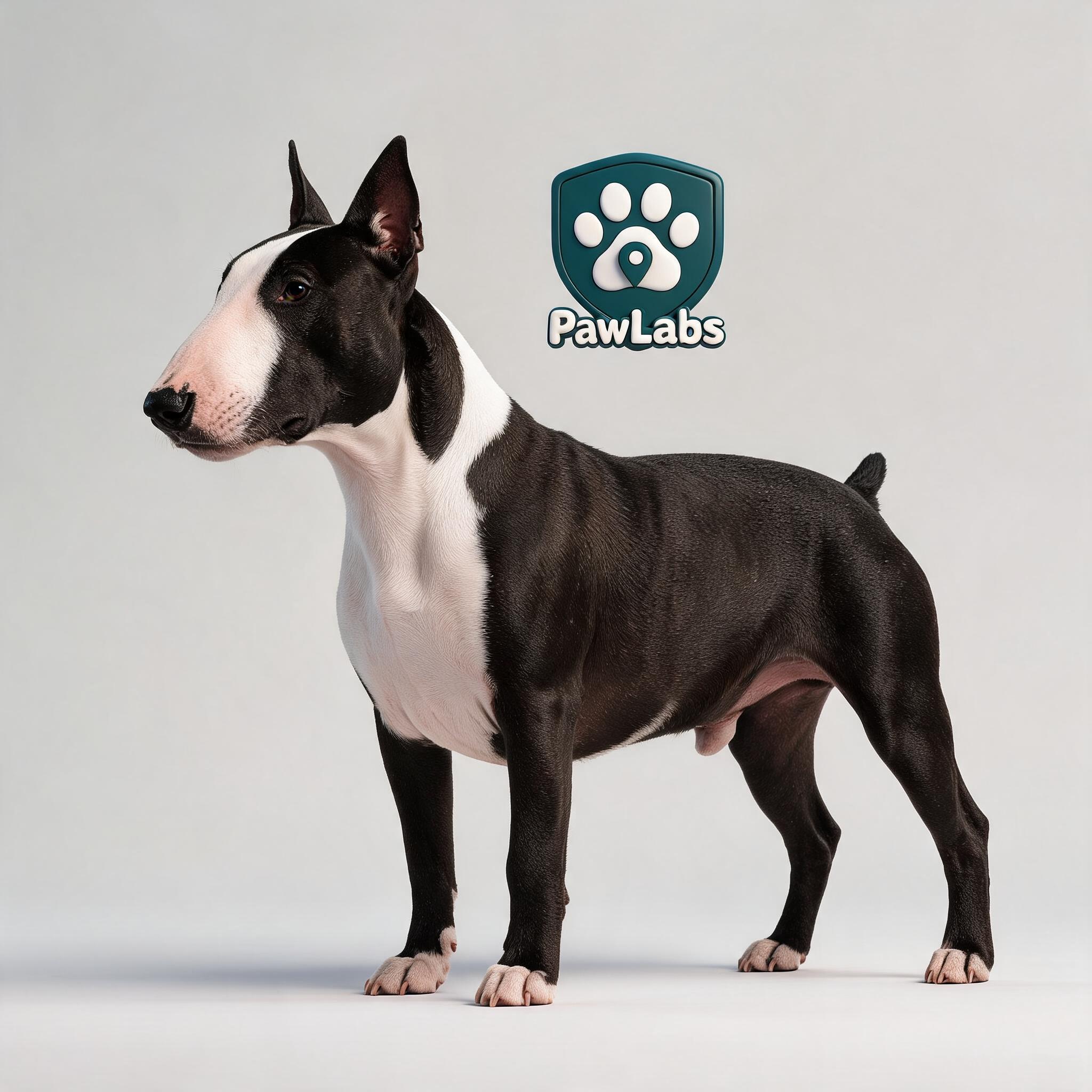
Miniature Bull Terrier
A compact powerhouse with a clownish streak and stubborn charm.
Original Role: Companion and vermin hunter
💪 Strengths
- + Compact size with big personality
- + Loyal and protective of family
⚠️ Weaknesses
- − Can be stubborn and difficult to train
- − Prone to health issues like heart and kidney problems
📜 Breed History
The Miniature Bull Terrier traces its roots back to 19th-century England, where the larger Bull Terrier was first developed as a fighting dog and later refined into a gentleman’s companion. Breeders crossed Bulldogs with the now-extinct English White Terrier, aiming for a tough, tenacious dog with a distinctive egg-shaped head. The Miniature version emerged as breeders sought a smaller companion that retained the same spunk and muscular build. They were often used for ratting and as family pets for those who wanted the Bull Terrier’s personality in a more manageable size.
By the early 20th century, the Miniature Bull Terrier was recognized as a distinct breed, with the Kennel Club in England granting official status in 1939. The American Kennel Club followed suit in 1991. Their smaller stature—standing just 10 to 14 inches tall—made them popular among urban dwellers, though they’ve never reached the widespread fame of their larger cousins. Despite their size, they’ve kept the same fearless, clownish nature that defines the breed, often surprising owners with their strength and determination packed into such a compact frame.
A Pint-Sized Powerhouse with a Mind of Its Own
I’ve spent enough time around Miniature Bull Terriers to know they’re not just a scaled-down version of the Bull Terrier—they’re a unique bundle of energy, stubbornness, and charm. These dogs, with their signature egg-shaped heads and muscular little bodies, are a riot to live with, but they’re not for the faint of heart. I’ve watched a Mini Bull, no taller than my knee, drag a full-grown man across a park because it spotted a squirrel. They’re small, sure, but they’ve got the heart of a gladiator and the humor of a class clown. If you’re considering one, brace yourself for a dog that’ll make you laugh one minute and test your patience the next.
Temperament & Personality
Living with a Miniature Bull Terrier is like having a toddler who never grows up. They’re playful to a fault, often zooming around the house at the most inconvenient times—like 6 a.m. on a Sunday when you’re craving sleep. I’ve seen them turn a simple sock into a 20-minute tug-of-war battle, complete with dramatic growls and triumphant prancing. They’re spirited and bold, always ready to investigate anything new, whether it’s a strange noise or a guest at the door. But that boldness comes with a stubborn streak a mile wide. If they don’t want to do something, good luck convincing them otherwise. I’ve had owners tell me their Mini Bull will plop down mid-walk and refuse to budge, staring at them like they’re the unreasonable one.
They’re deeply loyal, though, and form tight bonds with their family. I’ve watched them curl up protectively near kids during playtime, keeping a watchful eye. But they’re not overly cuddly—more likely to demand a game than a snuggle. Socially, they can be a mixed bag. Some are friendly with strangers; others give a skeptical side-eye to anyone new. And don’t expect them to instantly love every dog at the park. I’ve seen plenty of Mini Bulls pick fights with dogs twice their size, completely oblivious to the odds.
Exercise & Activity Needs
Don’t let their small size fool you—these dogs are bursting with energy. They need at least an hour of solid exercise every day, and I’m not talking about a leisurely stroll. Think brisk walks, tug-of-war sessions, or letting them tear around a fenced yard chasing a ball. I’ve known Mini Bulls who’ve turned destructive—chewing through shoes or digging up flowerbeds—because they didn’t get enough physical or mental stimulation. They were bred with terrier tenacity, after all, so they’ve got stamina to burn. If you’re not up for daily activity, they’ll find their own entertainment, and trust me, you won’t like the results.
They also thrive on interactive play. I’ve spent hours with a Mini Bull who’d fetch until my arm gave out, only to nudge the ball back to me with an impatient grunt. Puzzle toys or training games help tire out their busy minds, too. Just don’t expect them to entertain themselves quietly in a corner—they’ll demand your involvement.
Training & Intelligence
Training a Miniature Bull Terrier is a test of wills. They’re smart, no question—I’ve seen them figure out how to open cabinets or sneak treats off a counter in record time. But their intelligence often works against you. They’ll learn commands quickly if they’re in the mood, but if they’re not, they’ll stare at you like you’re speaking gibberish. I’ve worked with owners who’ve spent weeks trying to teach a simple ‘sit,’ only to have their Mini Bull ignore it the second a distraction pops up.
Consistency and patience are non-negotiable. They respond best to positive reinforcement—treats, praise, toys—but harsh methods will backfire fast. I’ve seen them shut down or get defiant if they feel pushed around. And socialization? Start early. I’ve met too many Mini Bulls who turned into little tyrants around other dogs because they weren’t exposed to enough variety as puppies. They’ve got a natural confidence that can tip into dominance if not channeled properly.
Health & Lifespan
Miniature Bull Terriers live 11 to 14 years on average, but they’re not without health challenges. Heart issues, like murmurs or congenital defects, are a big concern—I’ve known several who needed pricey vet care for cardiac problems by middle age. Kidney disease, including polycystic kidney disease, also pops up more than I’d like to see. Then there’s patellar luxation, where the kneecap slips out of place, causing limping or pain. I’ve had friends with Mini Bulls shell out thousands for surgeries to correct it.
They’re also prone to allergies and skin irritations, often tied to their short coat offering little protection. And don’t forget deafness, especially in white-coated dogs; I’ve met a few who were born partially or fully deaf and needed special training approaches. Regular vet checkups and genetic testing from reputable breeders can help, but you should budget for potential health costs. They’re tough little dogs, but their bodies don’t always keep up with their spirit.
Grooming & Maintenance
On the grooming front, Mini Bulls are a breeze. Their short, smooth coat needs just a quick brush once a week to keep shedding in check—though they do shed, especially during seasonal changes. I’ve found a rubber grooming mitt works wonders to pull loose hair off without much fuss. Baths are only needed every month or so unless they’ve rolled in something questionable, which, knowing their curious nature, happens more than you’d hope.
Nail trimming is a must since they don’t wear down naturally as much as larger breeds. I’ve seen overgrown nails cause discomfort in Mini Bulls who don’t get regular trims. And check those ears—their shape can trap dirt or moisture, leading to infections if you’re not vigilant. Overall, they’re low-maintenance compared to fluffier breeds, but you’ll still need to stay on top of the basics.
Diet & Nutrition
Feeding a Miniature Bull Terrier isn’t complicated, but they can pack on pounds if you’re not careful. They’ve got a stocky build, and I’ve seen them turn into little barrels when overfed or given too many treats during training. A high-quality kibble or raw diet suited for small, active breeds works best—aim for 1 to 1.5 cups of food daily, split into two meals, depending on their weight and activity level. Always check with your vet to adjust portions as they age or if they start looking too round.
Some are prone to food allergies, so watch for itching or tummy upset when introducing new foods. I’ve known owners who had to switch to limited-ingredient diets to pinpoint triggers like chicken or grains. And keep an eye on their water intake—kidney issues mean they might need extra hydration or special diets later in life.
Living Conditions
Mini Bulls can adapt to apartments or small spaces thanks to their size, but they’re not couch potatoes. A yard is ideal for them to burn off steam, though I’ve met plenty who do fine in urban settings with committed owners who provide long walks. They’re not built for extreme climates—their short coat offers little insulation against cold, and they overheat easily in hot weather. I’ve seen them pant hard after just 15 minutes in the summer sun, so shade and water are critical.
They’re also not dogs you can leave outside for long. They crave human company and can get destructive or anxious if isolated. I’ve heard of Mini Bulls tearing up doorframes when left alone too often. They need to be near their people, whether that’s a bustling city flat or a suburban home—just make sure you’ve got the time to keep them engaged.
Who Should Get This Breed
If you’re an active, patient person who loves a dog with personality to spare, the Miniature Bull Terrier might be your match. They’re perfect for someone who wants a small dog with big-dog attitude, especially if you enjoy interactive play and don’t mind a bit of chaos. I’ve seen them thrive with singles or couples who treat them like a true companion, taking them on adventures or just goofing off at home. Families with older kids can work, too, as long as the children know how to respect a dog’s boundaries.
You’ll need a sense of humor and a knack for staying one step ahead of their antics. If you’ve got the energy to keep up and the dedication to train them through their stubborn phases, you’ll find a loyal, entertaining buddy who’ll stick by your side through thick and thin.
Who Should NOT Get This Breed
If you’re looking for a low-energy lap dog or a breed that’s easy to train without much effort, steer clear of the Miniature Bull Terrier. They’re not suited for sedentary lifestyles—I’ve seen them drive inactive owners up the wall with their endless need for action. First-time dog owners might struggle, too, unless they’re prepared to put in serious work on training and socialization. Their stubbornness can be overwhelming if you’re not used to handling strong-willed dogs.
They’re also not ideal for homes with very young kids or multiple pets, especially if they’re not well-socialized. I’ve witnessed Mini Bulls get territorial or overly rough during play, which can lead to accidents. And if you’re away from home a lot, this breed will likely suffer from separation anxiety, turning your space into a chew-toy graveyard. They demand time, attention, and a firm hand—don’t take one on unless you’re ready for the challenge.
❓ Miniature Bull Terrier FAQs
The questions people ask most, answered from this breed's trait scores.
Is the Miniature Bull Terrier good with children?
The Miniature Bull Terrier scores 6/10 for child-friendliness, making it usually fine with children who have been taught to handle a dog respectfully. That score reflects the breed's typical temperament, not any individual animal — early socialisation and how the dog was raised matter just as much. Supervise interactions with toddlers whatever the breed.
Does the Miniature Bull Terrier get along with other pets?
Scoring 5/10 for pet-friendliness, the Miniature Bull Terrier is usually fine with other pets once introduced properly. Prey drive matters here as well as sociability: breeds built to chase can live happily with a household cat they grew up with and still pursue an unfamiliar one.
How much exercise does the Miniature Bull Terrier need?
The Miniature Bull Terrier rates 7/10 for energy and needs at least an hour to 90 minutes a day, and it should be real exercise rather than a stroll. Under-exercised, this is a breed that finds its own entertainment — usually at the expense of your furniture. The breed was originally developed for companion and vermin hunter, which is where that requirement comes from.
Does the Miniature Bull Terrier shed a lot?
At 4/10 for shedding, the Miniature Bull Terrier sheds lightly. It has a short smooth coat. Worth knowing: low shedding is not the same as hypoallergenic — most people react to proteins in dander and saliva, not to hair itself, so no breed is genuinely allergy-free.
Is the Miniature Bull Terrier easy to train?
The Miniature Bull Terrier scores 5/10 for trainability, making it trainable with consistency, though not eager to please for its own sake. It scores 7/10 for intelligence — worth separating from trainability, because a clever breed that has decided not to listen is harder work than a simpler one that wants to.
What is the average lifespan of the Miniature Bull Terrier?
The Miniature Bull Terrier typically lives 11–14 years. We rate the breed 5/10 for general health robustness. Individual lifespan depends heavily on genetics, weight management and veterinary care.
How big does the Miniature Bull Terrier get?
A full-grown Miniature Bull Terrier usually weighs 18–28 lbs and stands roughly 10–14 inches at the shoulder. That places it in the small size band. Males generally sit at the upper end of both ranges.
Does the Miniature Bull Terrier bark a lot?
Rated 6/10 for barking, the Miniature Bull Terrier barks a moderate amount. Training and adequate exercise both reduce nuisance barking, but they will not turn a naturally vocal breed into a silent one.
Is the Miniature Bull Terrier suited to apartment living?
The Miniature Bull Terrier is a difficult fit for apartment living. It scores 6/10 for adaptability, 7/10 for energy and 6/10 for barking — the three traits that decide this. Floor space matters far less than whether the breed can settle indoors and stay quiet while you are out.
Is the Miniature Bull Terrier a good choice for first-time owners?
On balance the Miniature Bull Terrier is manageable for a first-time owner who is willing to put the work in early, based on its trainability (5/10), adaptability (6/10) and energy level (7/10). The most common reason a first dog does not work out is a mismatch between the breed's daily needs and the owner's actual routine, rather than anything about the breed itself.
Written and reviewed by PawLabs Editorial Team
We build PawLabs from published kennel club breed standards and veterinary reference sources. Profiles are drafted with AI assistance against that source data, then reviewed and corrected by a person before anything is published. We say so because you should know how the thing you're reading was made. How we research breeds · Report a correction
Note: Breed profiles are general reference, not veterinary advice. For anything concerning your own animal, talk to a vet who can examine them.