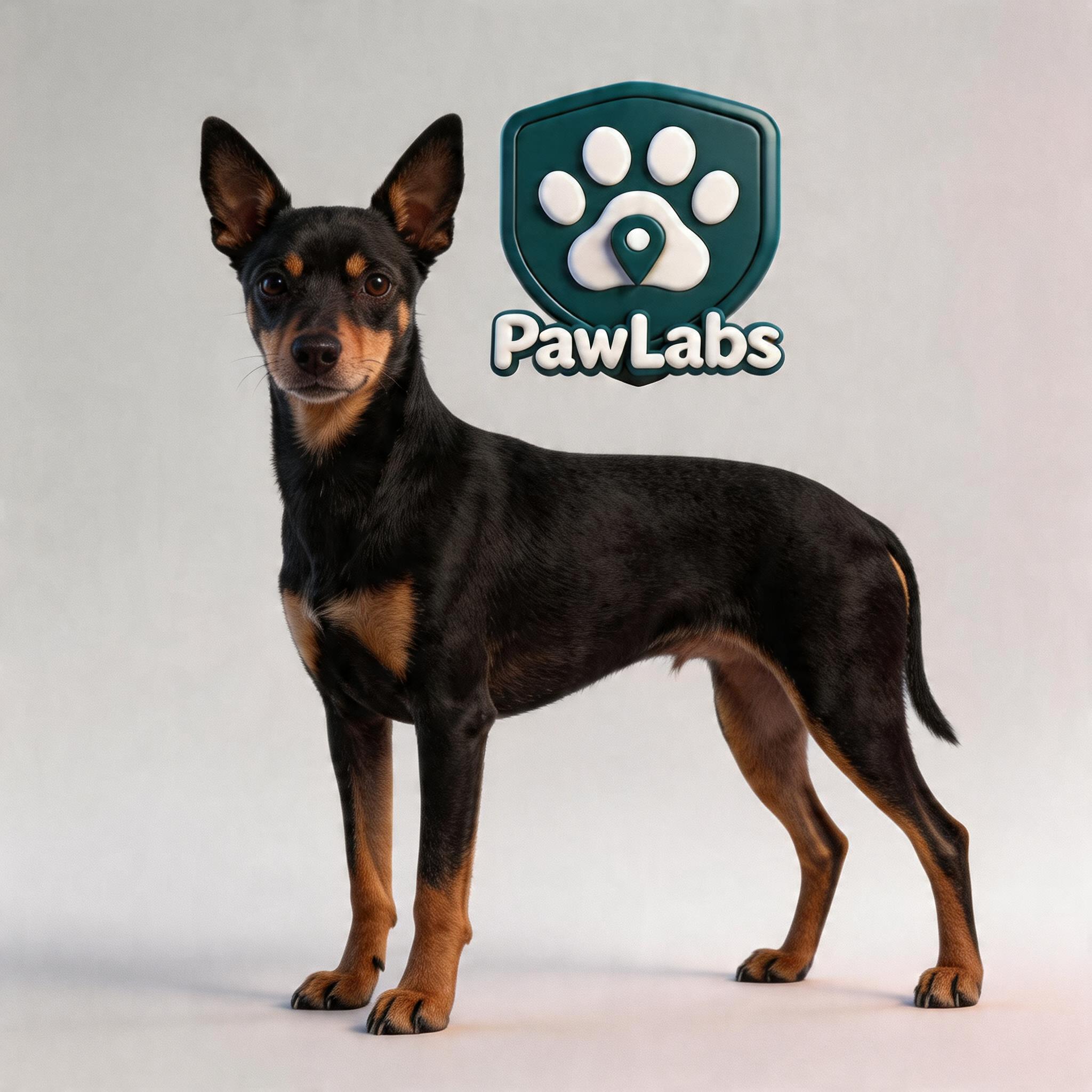
Miniature Pinscher
A tiny powerhouse with boundless energy and fearless attitude.
Original Role: Companion and watchdog
💪 Strengths
- + Bold personality in a small package
- + Excellent watchdog instincts
⚠️ Weaknesses
- − Can be stubborn and challenging to train
- − Prone to small dog syndrome if not socialized
📜 Breed History
The Miniature Pinscher, often called the 'Min Pin,' hails from Germany, where it was developed several centuries ago. Contrary to popular belief, this breed isn’t a scaled-down version of the Doberman Pinscher, though the two share a striking resemblance. Instead, the Min Pin likely descends from a mix of the Dachshund and Italian Greyhound, bred originally as a ratter to keep vermin at bay in homes and stables. Their small size and quick agility made them adept at hunting rodents, and their fearless nature meant they’d tackle prey much larger than themselves without hesitation.
By the late 19th century, the breed was refined into the elegant, spirited companion we know today. The Miniature Pinscher was first recognized by the American Kennel Club in 1925 under the Toy Group, a testament to its shift from working ratter to beloved pet. In Germany, they’re known as the 'Zwergpinscher,' or 'dwarf pinscher,' a nod to their compact stature and pinscher lineage. Over time, their role evolved into that of a watchdog and family companion, though they’ve never lost that tenacious, bold streak. I’ve always admired how such a tiny dog carries the heart of a lion, a trait that’s been consistent since their earliest days.
A Tiny Titan with a Giant Personality
I’ve spent years around Miniature Pinschers, and let me tell you, these little dogs are anything but shrinking violets. They strut into a room like they own it, all 10 inches of them packed with confidence and sass. The first time I met a Min Pin, I was floored by how this pint-sized pup barked at my 80-pound Labrador like it was ready to take him down. They’re fearless, sometimes to a fault, and they’ve got energy that can outlast most humans on a busy day. If you’re looking for a dog that’s small in stature but massive in attitude, the Miniature Pinscher might just steal your heart—though they’ll probably steal your socks first.
Temperament & Personality
Living with a Min Pin is like having a tiny dictator in your house. They’re bold, curious, and always on the move, darting from one corner to another as if they’re on a mission. I’ve watched these dogs stand their ground against much larger animals, their hackles up and their bark sharp, protecting their territory with a ferocity that defies their size. They’re deeply loyal to their people, often picking a favorite human to shadow around the house, but they’re not overly cuddly. Don’t expect a lap dog who’ll snooze for hours—most Min Pins I’ve known prefer to be on patrol, keeping an eye on every noise outside the window.
They’ve got a playful streak that’s infectious, often zooming around the house at random moments, especially when you’re trying to relax. But that same energy can turn into mischief if they’re bored. I’ve seen a Min Pin chew through a shoe in record time simply because they didn’t get their morning walk. They’re also vocal, quick to alert you to a stranger at the door—or a leaf blowing across the yard. If you’re sensitive to barking, this might test your patience.
Exercise & Activity Needs
Don’t let their small size fool you—Miniature Pinschers have energy to burn. I’ve taken Min Pins on walks where they’ve outpaced me, their little legs moving like pistons. They need at least 30 to 45 minutes of active exercise daily, whether it’s a brisk walk, a game of fetch, or just zooming around a fenced yard. Without it, they’ll channel that energy into destructive behaviors. I remember one owner telling me their Min Pin shredded an entire couch cushion after being cooped up during a rainy day.
They also thrive on mental stimulation. Puzzle toys or short training sessions work wonders to tire them out. I’ve found that a tired Min Pin is a well-behaved Min Pin, but getting to that point takes effort. They’re not a breed you can just let lounge around—they demand action, even if it’s just a quick romp around the living room.
Training & Intelligence
Training a Miniature Pinscher is a test of wills. They’re smart, no doubt about it—I’ve seen them figure out how to open cabinets to snag treats. But they’re also stubborn, and they’ll push boundaries just to see what they can get away with. Consistency is key. If you let them skip a rule once, they’ll remember it forever. I’ve worked with Min Pins who mastered basic commands like sit and stay in a week, but housebreaking? That took months for some, purely because they decided they didn’t feel like cooperating.
They respond best to positive reinforcement—treats, praise, and play keep them engaged. Harsh methods backfire fast; I’ve seen a Min Pin shut down completely when scolded too harshly. Socialization is also crucial from a young age. Without it, their natural wariness of strangers can turn into excessive barking or even nipping. They’re not the easiest breed to train, but with patience, they can surprise you with their cleverness.
Health & Lifespan
Miniature Pinschers generally live long lives, often reaching 12 to 16 years, which I’ve seen firsthand with several I’ve known well into their teens. But they’re not without health concerns. Patellar luxation, a condition where the kneecap slips out of place, is common—I’ve met a few Min Pins who needed surgery to correct it. They’re also prone to progressive retinal atrophy, which can lead to blindness over time. Regular vet checkups are non-negotiable to catch these issues early.
Another concern is their susceptibility to hypothermia due to their short coat and small size. I’ve had to bundle up Min Pins in sweaters during winter walks because they start shivering within minutes. Dental issues crop up too, as with many small breeds, so brushing their teeth regularly isn’t just a suggestion—it’s a must. Vet costs can add up if these problems arise, so pet insurance might be a wise investment. They’re not the hardiest breed, but with proper care, they stick around for a good long while.
Grooming & Maintenance
Grooming a Min Pin is a breeze, which is a relief given how demanding they can be in other areas. Their short, smooth coat sheds minimally, and a quick brush with a soft bristle brush once a week keeps it shiny. I’ve never spent more than 10 minutes grooming a Min Pin, even during shedding season. Baths are only needed every few months unless they’ve rolled in something foul, which, knowing their curious nature, isn’t out of the question.
Nail trimming is important since their small paws can get uncomfortable fast if nails grow too long. I’ve noticed that many Min Pins hate having their feet touched, so starting this habit early helps. Beyond that, their grooming needs are low-maintenance, leaving you more time to deal with their boundless energy.
Diet & Nutrition
Feeding a Miniature Pinscher requires some thought because they’re prone to weight gain if overfed, despite their high energy. I’ve seen Min Pins pack on pounds quickly when owners give in to those pleading eyes at the dinner table. A high-quality small-breed kibble, portioned out to about 1/2 to 3/4 cup daily split into two meals, usually does the trick for an adult. Puppies need more frequent meals, of course, to fuel their growth and endless zooming.
They can be picky eaters, though. I’ve known a few who turned their noses up at certain brands until we found the right one. Watch for food allergies too—some develop sensitivities that show up as itchy skin. And because of their small size, they’re at risk for hypoglycemia if they skip meals, especially as pups. Keep their diet consistent, and don’t skimp on quality; their little bodies need the best to keep up with their big personalities.
Living Conditions
Miniature Pinschers adapt well to apartments, which is a plus for city dwellers. Their small size means they don’t need a sprawling yard, though they do appreciate a safe space to run. I’ve kept Min Pins in small spaces without issue, as long as their exercise needs are met. But they’re not built for extreme weather. Their thin coat offers little protection against cold, and I’ve had to cut walks short in freezing temps because they couldn’t handle it. Hot weather can be just as tough—they overheat fast if left outside too long.
They’re indoor dogs through and through, happiest when they’re near their people. Leaving them alone for long stretches often leads to anxiety or destructive behavior. I’ve come home to torn-up pillows after leaving a Min Pin solo for just a few hours. If you work long days, arrange for a pet sitter or doggy daycare to keep them company.
Who Should Get This Breed
If you’re an active person who loves a dog with personality, the Miniature Pinscher could be your perfect match. They thrive with owners who have time to dedicate to exercise and mental stimulation, and who enjoy a challenge when it comes to training. I’ve seen them do wonderfully with singles or couples who treat them like part of the action, taking them on adventures or just including them in daily routines. They’re also great for someone wanting a small dog with big watchdog instincts—their alert barking will let you know if anything’s amiss.
Retirees or anyone with a flexible schedule can form a tight bond with a Min Pin, as long as they’re up for keeping pace with this energetic breed. If you’re in a small living space but still want a dog with spirit, their size and adaptability make them a solid choice.
Who Should NOT Get This Breed
If you’re looking for a low-energy lap dog, walk away from the Miniature Pinscher right now. They’re not content to sit still for long, and I’ve seen owners frustrated when their Min Pin won’t settle down after a long day. Families with very young children might also struggle—their small size means they can be easily injured by rough play, and their feisty nature can lead to nips if provoked. I’ve met Min Pins who were fine with older kids, but toddlers are often too much for them.
If you’re gone for long hours or prefer a quiet household, this breed will test your limits with their barking and need for attention. And if you’re not prepared to be the boss, their stubborn streak will run the show. They’re not for the faint of heart or the hands-off owner—they demand engagement, and they’ll let you know loud and clear if they’re not getting it.
❓ Miniature Pinscher FAQs
The questions people ask most, answered from this breed's trait scores.
Is the Miniature Pinscher good with children?
The Miniature Pinscher scores 6/10 for child-friendliness, making it usually fine with children who have been taught to handle a dog respectfully. That score reflects the breed's typical temperament, not any individual animal — early socialisation and how the dog was raised matter just as much. Supervise interactions with toddlers whatever the breed.
Does the Miniature Pinscher get along with other pets?
Scoring 5/10 for pet-friendliness, the Miniature Pinscher is usually fine with other pets once introduced properly. Prey drive matters here as well as sociability: breeds built to chase can live happily with a household cat they grew up with and still pursue an unfamiliar one.
How much exercise does the Miniature Pinscher need?
The Miniature Pinscher rates 8/10 for energy and needs at least an hour to 90 minutes a day, and it should be real exercise rather than a stroll. Under-exercised, this is a breed that finds its own entertainment — usually at the expense of your furniture. The breed was originally developed for companion and watchdog, which is where that requirement comes from.
Does the Miniature Pinscher shed a lot?
At 3/10 for shedding, the Miniature Pinscher sheds lightly. It has a short smooth coat. Worth knowing: low shedding is not the same as hypoallergenic — most people react to proteins in dander and saliva, not to hair itself, so no breed is genuinely allergy-free.
Is the Miniature Pinscher easy to train?
The Miniature Pinscher scores 5/10 for trainability, making it trainable with consistency, though not eager to please for its own sake. It scores 7/10 for intelligence — worth separating from trainability, because a clever breed that has decided not to listen is harder work than a simpler one that wants to.
What is the average lifespan of the Miniature Pinscher?
The Miniature Pinscher typically lives 12–16 years. We rate the breed 6/10 for general health robustness. Individual lifespan depends heavily on genetics, weight management and veterinary care.
How big does the Miniature Pinscher get?
A full-grown Miniature Pinscher usually weighs 8–10 lbs and stands roughly 10–12.5 inches at the shoulder. That places it in the small size band. Males generally sit at the upper end of both ranges.
Does the Miniature Pinscher bark a lot?
Rated 7/10 for barking, the Miniature Pinscher barks readily, which is worth considering if you have close neighbours. Training and adequate exercise both reduce nuisance barking, but they will not turn a naturally vocal breed into a silent one.
Is the Miniature Pinscher suited to apartment living?
The Miniature Pinscher is a difficult fit for apartment living. It scores 6/10 for adaptability, 8/10 for energy and 7/10 for barking — the three traits that decide this. Floor space matters far less than whether the breed can settle indoors and stay quiet while you are out.
Is the Miniature Pinscher a good choice for first-time owners?
On balance the Miniature Pinscher is better suited to someone who has raised a dog before, based on its trainability (5/10), adaptability (6/10) and energy level (8/10). The most common reason a first dog does not work out is a mismatch between the breed's daily needs and the owner's actual routine, rather than anything about the breed itself.
Written and reviewed by PawLabs Editorial Team
We build PawLabs from published kennel club breed standards and veterinary reference sources. Profiles are drafted with AI assistance against that source data, then reviewed and corrected by a person before anything is published. We say so because you should know how the thing you're reading was made. How we research breeds · Report a correction
Note: Breed profiles are general reference, not veterinary advice. For anything concerning your own animal, talk to a vet who can examine them.