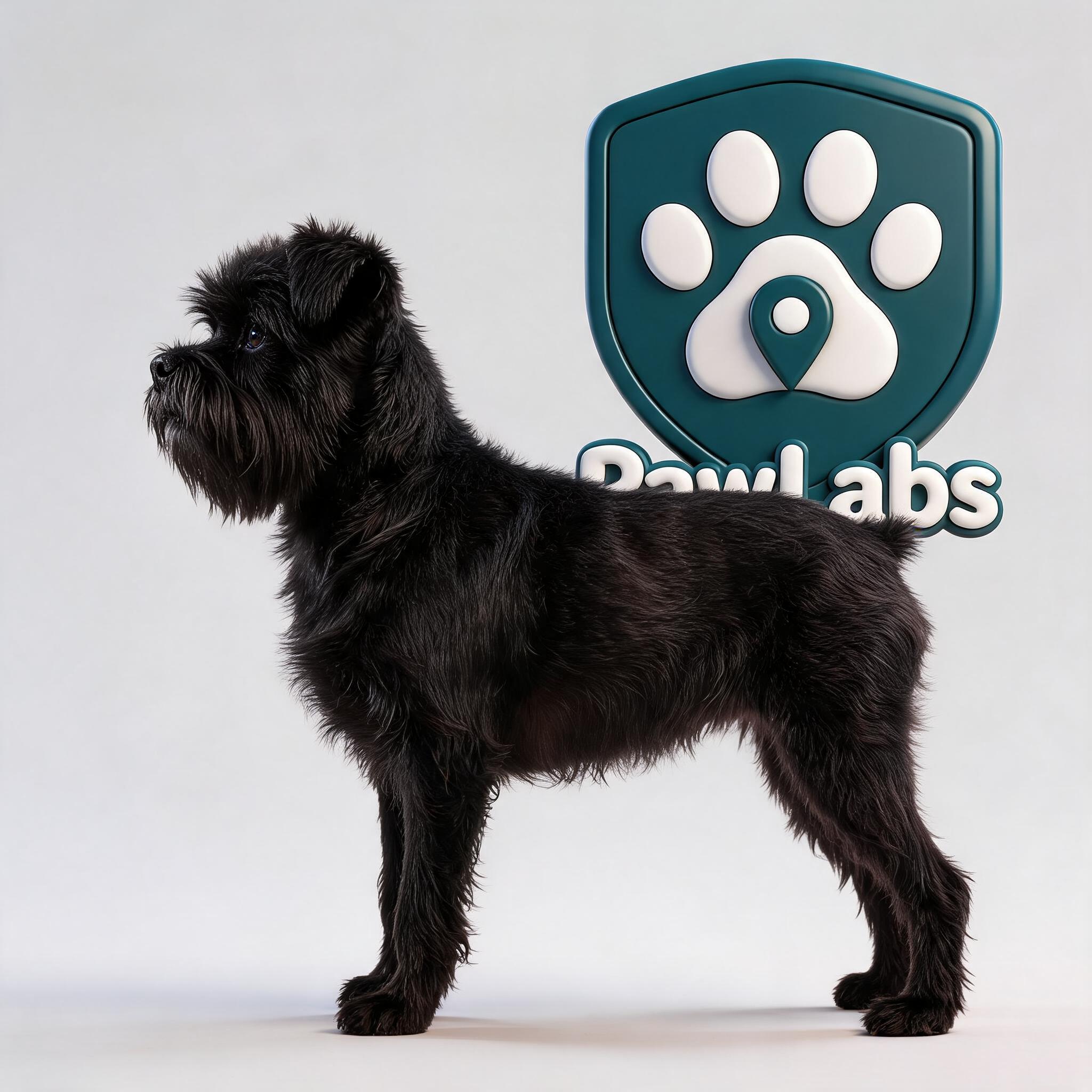
Parson Russell Terrier
A feisty, energetic terrier with a bold hunting spirit.
Original Role: Hunting foxes and vermin
💪 Strengths
- + Tenacious and determined in work
- + Highly athletic for a small dog
⚠️ Weaknesses
- − Prone to stubbornness
- − Can be reactive with other dogs
📜 Breed History
The Parson Russell Terrier hails from England, bred specifically for the rigors of fox hunting in the 19th century. Named after Reverend John Russell, a passionate huntsman, this breed was developed to bolt foxes from their dens during hunts. The good Reverend wanted a small, agile dog with enough grit to keep up with hounds and enough spunk to confront a fox underground. He started with a mix of old English terriers, selecting for stamina, courage, and a compact frame perfect for navigating tight burrows. Over time, his breeding efforts produced a distinct type of terrier, initially called the Jack Russell Terrier, though the name Parson Russell was later adopted by kennel clubs like the AKC to distinguish this specific standard from other Jack Russell variants. The breed was officially recognized by the Kennel Club in the UK in 1990 and by the AKC in 1997. Their original purpose as working dogs shaped their fiery, independent nature—a trait that persists even in modern pets far removed from the hunt. Today, they’re celebrated for their athleticism and tenacity, though their history as hunters means they’ve retained a sharp prey drive and a knack for digging up trouble, literally and figuratively.
A Small Dog with a Giant Attitude
I’ve spent years around Parson Russell Terriers, and let me tell you, these little dogs pack more personality into their compact frames than some breeds twice their size. They’re scrappy, bold, and always ready for action—whether that’s chasing a squirrel in the backyard or just zooming around your living room at 6 a.m. I’ve watched a Parson Russell take on a muddy field like it’s their personal playground, completely undeterred by rain or exhaustion. But with that energy comes a stubborn streak that can test even the most patient owner. If you’re looking for a low-key lap dog, keep walking. This breed is a fireball of determination, bred for hunting, and they’ve got no off switch unless you wear them out.
Temperament & Personality
Living with a Parson Russell Terrier is like having a tiny, fearless adventurer in your house. They’re not just energetic—they’re downright relentless. I’ve seen one of these dogs fixate on a toy under the couch and spend an hour barking and pawing until they got it. They’re curious to a fault, which means they’ll sniff out every corner of your home and probably try to dig through your flowerbeds if given half a chance. Their hunting roots make them alert and quick to react, so don’t be surprised if they bark at every passing bird or leaf blowing in the wind. They’ve got a big personality for a small dog, often acting like they’re ten feet tall. With family, they can be affectionate, but it’s on their terms. I’ve had a Parson Russell curl up next to me after a long day of play, only to bolt upright at the slightest noise. They’re not overly clingy, though—independence is in their DNA, and they’re just as happy entertaining themselves as they are playing with you.
Exercise & Activity Needs
If you’re not ready to commit to serious exercise, a Parson Russell Terrier isn’t for you. These dogs were bred to run alongside horses and hounds during fox hunts, and their stamina is unreal for a dog that weighs under 20 pounds. I’m talking at least an hour of vigorous activity every single day—think long walks, runs, or intense games of fetch. I’ve taken one on a hike and watched them bound over rocks and logs without a hint of slowing down after two hours. Mental stimulation is just as critical; without it, they’ll channel that energy into destructive behaviors. Puzzle toys, agility courses, or even teaching them tricks can help burn off some of that mental steam. If you slack on their exercise, expect chewed shoes or a backyard that looks like a construction site from all their digging.
Training & Intelligence
Training a Parson Russell Terrier is a test of wills. They’re smart—scary smart sometimes—but they’ve got a stubborn streak that can make you want to pull your hair out. I’ve spent sessions trying to teach one to sit, only for them to stare at me like I’m speaking a foreign language, then dart off after a butterfly. They learn fast when they want to, especially if there’s a treat or a game involved, but their independent nature means they’ll often choose their own agenda over yours. Consistency is non-negotiable. You’ve got to be firm, patient, and creative to keep their attention. Socialization is huge, too; without it, their prey drive and territorial instincts can make them reactive around other dogs or small animals. I’ve seen a well-trained Parson Russell excel in agility competitions, so the potential is there—just don’t expect an easy ride.
Health & Lifespan
Parson Russell Terriers are generally hardy little dogs, with a lifespan of 13 to 15 years, which is solid for a small breed. But they’re not without their issues. I’ve known a few who’ve dealt with patellar luxation, a condition where the kneecap slips out of place—painful and sometimes requiring surgery that can cost upwards of $1,500. Eye problems like cataracts or glaucoma pop up in some lines, so regular vet checkups are a must. They’re also prone to deafness, especially in predominantly white-coated dogs, something I’ve seen breeders test for in puppies. Allergies can be another headache; I’ve had owners tell me their Parson scratches endlessly during certain seasons, needing special diets or meds to manage it. Vet bills can add up if these issues hit, so pet insurance isn’t a bad idea. Keep an eye on their weight, too—those little bodies can pack on pounds if overfed, stressing their joints.
Grooming & Maintenance
Grooming a Parson Russell Terrier is mercifully straightforward. Their short, smooth coat (or sometimes broken, slightly wiry version) doesn’t demand much beyond a weekly brush to keep shedding in check. And trust me, they do shed—especially during seasonal changes when I’ve found white hairs on every piece of furniture. A bath every month or so is usually enough, though they love rolling in mud, so you might be rinsing them off more often if they’re outdoor enthusiasts. I’ve noticed their nails grow fast with all that running and digging, so trimming every few weeks is a must unless they wear them down naturally. Check their ears regularly—those upright ears can trap dirt and lead to infections if ignored. Overall, they’re low-maintenance in the grooming department, which is a small mercy given how high-maintenance they are elsewhere.
Diet & Nutrition
Feeding a Parson Russell Terrier isn’t complicated, but their high energy means they burn through calories fast. A high-quality, protein-rich diet tailored for small, active breeds works best—think 1 to 1.5 cups of dry kibble daily, split into two meals, depending on their weight and activity level. I’ve seen owners underestimate how much fuel these dogs need, only to have a skinny, under-energized pup on their hands. Watch for food allergies, though; some I’ve known get itchy or develop hot spots from certain proteins like chicken, so you might need to experiment with novel proteins like duck or lamb. Treats are great for training, but keep them minimal—these dogs can gain weight if you’re not careful, and extra pounds hit their joints hard. Always have fresh water out; after a play session, I’ve watched one gulp down a bowl like they’ve crossed a desert.
Living Conditions
Parson Russell Terriers can adapt to various living spaces, but they’re not ideal for tiny apartments unless you’re committed to multiple daily outings. They need room to move, and a fenced yard is a lifesaver—I’ve seen one turn a small backyard into their personal racetrack. That fence needs to be secure, though; these dogs are escape artists and will dig under or jump over if they spot something interesting on the other side. Climate-wise, they handle moderate weather well, but their short coat means they’ll shiver in harsh winters—grab a doggy sweater for cold walks. They’re happiest in active households where something is always happening. If you’re gone all day, they’ll get bored and destructive, so a dog walker or daycare might be necessary. Quiet, sedentary homes? Not their vibe.
Who Should Get This Breed
If you’re an active person who loves a challenge, the Parson Russell Terrier might be your perfect match. They thrive with owners who hike, run, or have a big yard for endless games of fetch. I’ve seen them bond tightly with folks who treat them like a partner in adventure, taking them on long treks or involving them in dog sports like agility or earthdog trials. They’re a great fit for someone with experience handling strong-willed dogs, as they need a confident leader. If you’ve got time to dedicate to training and exercise, and you appreciate a dog with a larger-than-life personality, this breed will keep you on your toes in the best way possible.
Who Should NOT Get This Breed
Let’s be real: the Parson Russell Terrier isn’t for everyone. If you’re a first-time dog owner or someone who wants a calm, cuddly companion, look elsewhere. I’ve watched new owners get overwhelmed by their nonstop energy and stubbornness, giving up after a few months of chaos. They’re not great for homes with small pets like cats or hamsters—their prey drive is no joke, and I’ve seen one obsess over a neighbor’s guinea pig to the point of frenzy. If you work long hours or live a sedentary lifestyle, this breed will drive you up the wall with their need for action. And if you’re sensitive to barking, brace yourself; they’ve got a lot to say, especially when bored or alarmed. This is a dog for the dedicated, not the casual pet parent.
❓ Parson Russell Terrier FAQs
The questions people ask most, answered from this breed's trait scores.
Is the Parson Russell Terrier good with children?
The Parson Russell Terrier scores 6/10 for child-friendliness, making it usually fine with children who have been taught to handle a dog respectfully. That score reflects the breed's typical temperament, not any individual animal — early socialisation and how the dog was raised matter just as much. Supervise interactions with toddlers whatever the breed.
Does the Parson Russell Terrier get along with other pets?
Scoring 5/10 for pet-friendliness, the Parson Russell Terrier is usually fine with other pets once introduced properly. Prey drive matters here as well as sociability: breeds built to chase can live happily with a household cat they grew up with and still pursue an unfamiliar one.
How much exercise does the Parson Russell Terrier need?
The Parson Russell Terrier rates 9/10 for energy and needs two hours or more a day, every day, including the days you do not feel like it. Under-exercised, this is a breed that finds its own entertainment — usually at the expense of your furniture. The breed was originally developed for hunting foxes and vermin, which is where that requirement comes from.
Does the Parson Russell Terrier shed a lot?
At 5/10 for shedding, the Parson Russell Terrier sheds a moderate amount year-round. It has a short smooth coat. Worth knowing: low shedding is not the same as hypoallergenic — most people react to proteins in dander and saliva, not to hair itself, so no breed is genuinely allergy-free.
Is the Parson Russell Terrier easy to train?
The Parson Russell Terrier scores 6/10 for trainability, making it trainable with consistency, though not eager to please for its own sake. It scores 7/10 for intelligence — worth separating from trainability, because a clever breed that has decided not to listen is harder work than a simpler one that wants to.
What is the average lifespan of the Parson Russell Terrier?
The Parson Russell Terrier typically lives 13–15 years. We rate the breed 7/10 for general health robustness. Individual lifespan depends heavily on genetics, weight management and veterinary care.
How big does the Parson Russell Terrier get?
A full-grown Parson Russell Terrier usually weighs 13–17 lbs and stands roughly 12–15 inches at the shoulder. That places it in the small size band. Males generally sit at the upper end of both ranges.
Does the Parson Russell Terrier bark a lot?
Rated 7/10 for barking, the Parson Russell Terrier barks readily, which is worth considering if you have close neighbours. Training and adequate exercise both reduce nuisance barking, but they will not turn a naturally vocal breed into a silent one.
Is the Parson Russell Terrier suited to apartment living?
The Parson Russell Terrier is a difficult fit for apartment living. It scores 6/10 for adaptability, 9/10 for energy and 7/10 for barking — the three traits that decide this. Floor space matters far less than whether the breed can settle indoors and stay quiet while you are out.
Is the Parson Russell Terrier a good choice for first-time owners?
On balance the Parson Russell Terrier is better suited to someone who has raised a dog before, based on its trainability (6/10), adaptability (6/10) and energy level (9/10). The most common reason a first dog does not work out is a mismatch between the breed's daily needs and the owner's actual routine, rather than anything about the breed itself.
Written and reviewed by PawLabs Editorial Team
We build PawLabs from published kennel club breed standards and veterinary reference sources. Profiles are drafted with AI assistance against that source data, then reviewed and corrected by a person before anything is published. We say so because you should know how the thing you're reading was made. How we research breeds · Report a correction
Note: Breed profiles are general reference, not veterinary advice. For anything concerning your own animal, talk to a vet who can examine them.