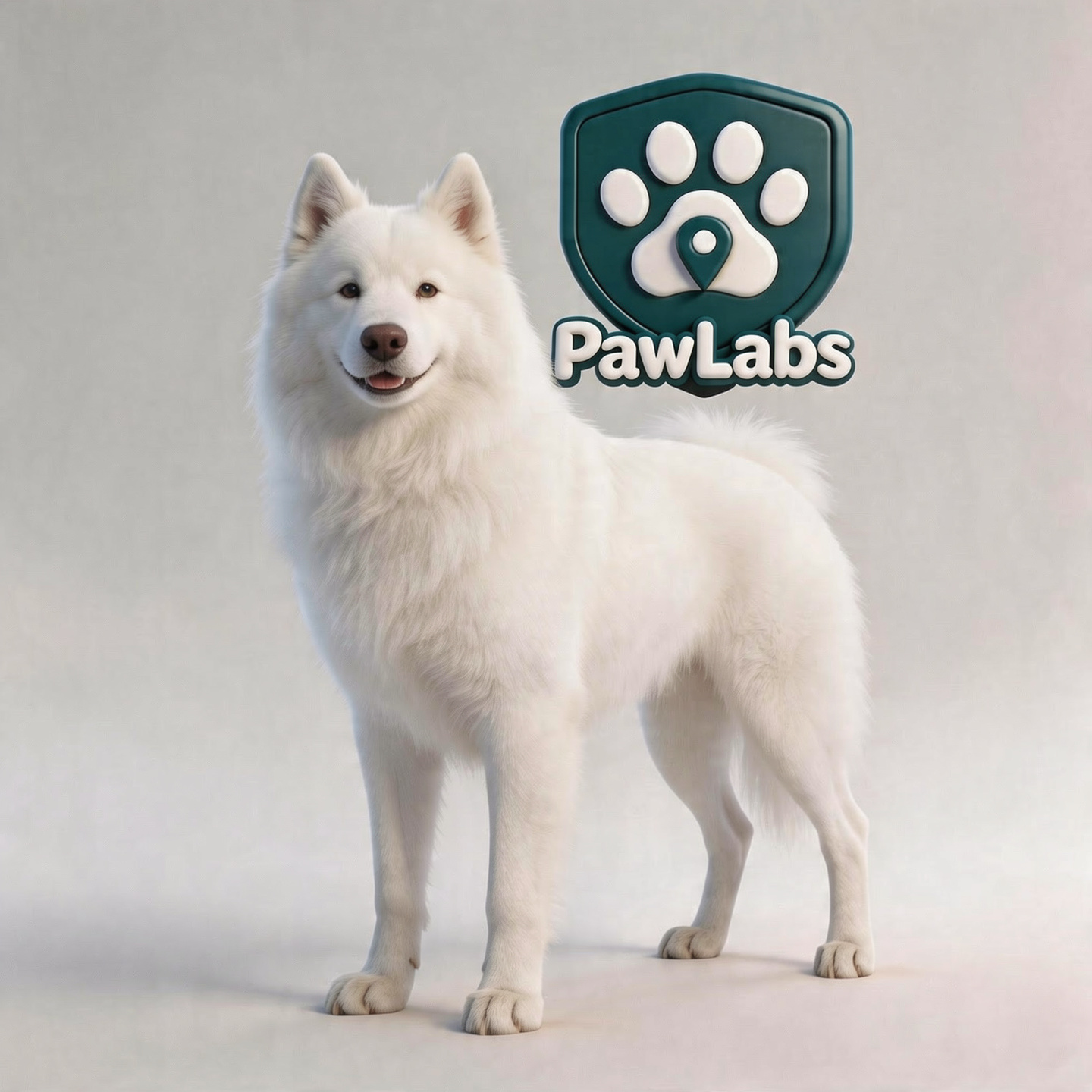
Samoyed
A fluffy, smiling Arctic breed built for hard work and endless companionship.
Original Role: Sled pulling and herding reindeer
💪 Strengths
- + Exceptional companionship and loyalty
- + Thrives in cold climates
- + Gentle with children
⚠️ Weaknesses
- − High shedding and grooming demands
- − Can be stubborn during training
- − Needs significant exercise
📜 Breed History
The Samoyed hails from the frigid expanses of Siberia, where they were bred by the nomadic Samoyede people for centuries. These dogs were indispensable to survival in the Arctic, pulling sleds laden with supplies across endless snow and herding reindeer with a surprising mix of gentleness and tenacity. Their thick, white coats weren’t just for show—they protected against temperatures that could plummet to unthinkable lows. I’ve always been struck by how their history isn’t just about work; they were family to the Samoyede, sleeping in tents to share warmth with children and adults alike. That bond is still evident in their affectionate nature today.
The breed caught the eye of Western explorers in the late 19th century, particularly during Arctic expeditions. Samoyeds were brought to England in the 1880s, where they were refined and eventually recognized by the Kennel Club in 1909. In the U.S., they gained traction after World War I, with the American Kennel Club registering the first Samoyed in 1906. Their journey from utilitarian Arctic worker to beloved companion hasn’t dulled their instincts—they still have that pull-to-the-horizon energy I’ve seen firsthand when they spot an open field. Their signature 'Sammy smile,' with upturned mouth corners, isn’t just cute; it’s thought to have evolved to prevent drooling and icicles forming in subzero conditions. That’s the kind of practical beauty this breed embodies.
The Samoyed: A Fluffy Cloud with a Workaholic Heart
I’ve spent years around Samoyeds, and let me tell you, they’re not just a pretty face. That fluffy white coat and perpetual smile can fool you into thinking they’re a living teddy bear, but beneath all that fur beats the heart of a Siberian workhorse. I’ve watched a Samoyed tirelessly pull a sled in a local winter event, grinning the whole way, only to come home and flop onto my lap like they’ve earned a nap. They’re a paradox—tough as nails yet sweet as pie. Living with one means embracing their duality: endless affection paired with a need for purpose. If you’re not ready to match their energy or deal with a house covered in white fur, think twice. But if you want a companion who’ll stick by your side through thick and thin, I can’t recommend them enough.
Temperament & Personality
Samoyeds are the epitome of friendly. I’ve never met one that didn’t wag their fluffy tail at a stranger, human or canine. They’re wired for companionship, a trait rooted in their history of huddling with their nomadic owners for warmth. I’ve seen them gently nudge a toddler with their nose, almost babysitting, their patience seemingly endless. But they’re not pushovers—they’ve got a playful, almost mischievous streak. I’ve had a Samoyed steal my sock right off my foot, only to prance around with it like a trophy. They’re vocal too, not with aggressive barks, but with this funny mix of howls and ‘talking’ sounds when they want attention. Fair warning, though: their sociability means they hate being alone. Leave them for too long, and you might come home to anxious pacing or a chewed-up shoe.
Exercise & Activity Needs
These dogs were bred to trek across Siberia, so don’t expect them to lounge on the couch all day. I’ve taken Samoyeds on 5-mile hikes in the snow, and they’re still bounding around at the end while I’m gasping for breath. They need at least an hour of solid exercise daily—think long walks, runs, or even pulling a cart if you can swing it. Without it, they get bored, and a bored Samoyed is a destructive Samoyed. I’ve seen one dig a crater in a backyard just to entertain themselves. Mental stimulation is just as crucial; puzzle toys or tasks like carrying a backpack on walks tap into their working instincts. If you’re not active, this breed will run circles around you—literally.
Training & Intelligence
Samoyeds are smart, no question. I’ve taught one to fetch specific toys by name in just a few sessions. But here’s the catch—they’ve got a stubborn streak wider than a Siberian tundra. Their nomadic roots mean they’re used to making decisions, not blindly following orders. I’ve had moments where I’m begging a Samoyed to sit, and they just tilt their head like they’re debating if it’s worth their time. Positive reinforcement works best; treats and praise get you further than a stern voice. Start training early because their puppy energy can turn into chaos if not channeled. Socialization is key too—they’re naturally friendly, but without exposure, they can get overly excitable around new faces.
Health & Lifespan
Samoyeds generally live 12 to 14 years, a decent span for a medium-sized breed. But they’re not without issues. Hip dysplasia is a big one; I’ve known owners who’ve spent thousands on surgeries because their Sammy started limping at age 5. They’re also prone to eye conditions like cataracts and progressive retinal atrophy—I’ve seen a sweet older Samoyed go nearly blind from it, though they adapted with incredible resilience. Diabetes pops up more than you’d expect too, so watch their diet. And don’t forget their thick coat can hide skin issues; I’ve had to part through layers of fur to find hot spots after a muddy romp. Regular vet checkups are non-negotiable, and budgeting for potential orthopedic or eye care is smart. They’re tough, but not invincible.
Grooming & Maintenance
If you’re not ready to deal with fur everywhere, a Samoyed isn’t for you. Their double coat sheds like crazy, especially during seasonal ‘blowouts’ twice a year. I’ve swept up enough white fluff from my floors to stuff a pillow after just a week. Brushing them two to three times a week is the bare minimum—more during shedding season—to prevent mats. I’ve spent hours untangling fur behind their ears after they’ve rolled in something muddy. Baths every six weeks keep that pristine white coat gleaming, but over-bathing strips their natural oils. Their nails grow fast too; I’ve heard that click-clack on hardwood enough to know a trim every few weeks is a must. It’s a labor of love, but the grooming commitment is real.
Diet & Nutrition
Samoyeds aren’t picky eaters, but their active lifestyle means they need high-quality fuel. I’ve fed them a mix of premium kibble with added protein like chicken or salmon to keep their energy up. Puppies need three meals a day, tapering to two as adults, roughly 2-3 cups total depending on weight and activity. Watch portions—they can pack on pounds if overfed, and I’ve seen a chubby Samoyed struggle on hikes. Their Arctic heritage means they handle cold well but can overheat, so keep water handy during exercise. Some are prone to food allergies, so I’ve had to switch brands when one started scratching non-stop. Consult your vet for a tailored plan, especially if they show signs of diabetes later in life.
Living Conditions
Samoyeds were born for the cold, and I’ve watched them frolic in snowstorms while I’m shivering in three layers. Hot climates? Not their friend. They’ll pant and wilt in humidity, so air conditioning is a must if you’re in a warm area. They’re adaptable to smaller spaces like apartments if exercised enough, but I’ve found they’re happiest with a yard to roam. Fencing is critical—they’ve got a wandering spirit, and I’ve chased one down the street after they bolted for a squirrel. They’re not outdoor-only dogs, though; their need for human connection means they belong inside with the family. If you can’t provide space to burn energy or a cool environment, their quality of life suffers.
Who Should Get This Breed
If you’re an active person with a love for the outdoors, a Samoyed could be your soulmate. I’ve seen them thrive with owners who hike, ski, or even camp in winter—they’ll happily trot alongside you, tail wagging. Families with kids are a great match; their gentle nature makes them fantastic playmates, and I’ve watched them patiently endure a toddler pulling their fur. If you’ve got time for grooming and don’t mind a chatty dog who ‘talks’ back, their personality will win you over. They’re perfect for someone in a colder climate who wants a loyal companion that doubles as a workout buddy. Commitment is the keyword here—give them your time, and they’ll give you their heart.
Who Should NOT Get This Breed
If you’re a couch potato or live in a sweltering climate, steer clear. I’ve seen Samoyeds grow restless and destructive with owners who can’t keep up—I’m talking shredded cushions after a 10-minute absence. If you hate vacuuming or can’t commit to regular brushing, the shedding will drive you up the wall. They’re not for folks who work long hours either; I’ve known a Samoyed to develop separation anxiety so severe they howled until the neighbors complained. And if you want a low-maintenance or quiet dog, their energy and vocal nature will test your patience. They’re a lifestyle breed—beautiful, yes, but demanding in ways that aren’t for everyone.
❓ Samoyed FAQs
The questions people ask most, answered from this breed's trait scores.
Is the Samoyed good with children?
The Samoyed scores 8/10 for child-friendliness, making it a good match for families with children. That score reflects the breed's typical temperament, not any individual animal — early socialisation and how the dog was raised matter just as much. Supervise interactions with toddlers whatever the breed.
Does the Samoyed get along with other pets?
Scoring 7/10 for pet-friendliness, the Samoyed is generally sociable with other dogs and cats. Prey drive matters here as well as sociability: breeds built to chase can live happily with a household cat they grew up with and still pursue an unfamiliar one.
How much exercise does the Samoyed need?
The Samoyed rates 8/10 for energy and needs at least an hour to 90 minutes a day, and it should be real exercise rather than a stroll. Under-exercised, this is a breed that finds its own entertainment — usually at the expense of your furniture. The breed was originally developed for sled pulling and herding reindeer, which is where that requirement comes from.
Does the Samoyed shed a lot?
At 9/10 for shedding, the Samoyed sheds heavily, often with seasonal blowouts that carpet the house. It has a long double coat. Worth knowing: low shedding is not the same as hypoallergenic — most people react to proteins in dander and saliva, not to hair itself, so no breed is genuinely allergy-free.
Is the Samoyed easy to train?
The Samoyed scores 6/10 for trainability, making it trainable with consistency, though not eager to please for its own sake. It scores 7/10 for intelligence — worth separating from trainability, because a clever breed that has decided not to listen is harder work than a simpler one that wants to.
What is the average lifespan of the Samoyed?
The Samoyed typically lives 12–14 years. We rate the breed 6/10 for general health robustness. Individual lifespan depends heavily on genetics, weight management and veterinary care.
How big does the Samoyed get?
A full-grown Samoyed usually weighs 35–65 lbs and stands roughly 19–23 inches at the shoulder. That places it in the medium size band. Males generally sit at the upper end of both ranges.
Does the Samoyed bark a lot?
Rated 6/10 for barking, the Samoyed barks a moderate amount. Training and adequate exercise both reduce nuisance barking, but they will not turn a naturally vocal breed into a silent one.
Is the Samoyed suited to apartment living?
The Samoyed is a difficult fit for apartment living. It scores 6/10 for adaptability, 8/10 for energy and 6/10 for barking — the three traits that decide this. Floor space matters far less than whether the breed can settle indoors and stay quiet while you are out.
Is the Samoyed a good choice for first-time owners?
On balance the Samoyed is better suited to someone who has raised a dog before, based on its trainability (6/10), adaptability (6/10) and energy level (8/10). The most common reason a first dog does not work out is a mismatch between the breed's daily needs and the owner's actual routine, rather than anything about the breed itself.
Written and reviewed by PawLabs Editorial Team
We build PawLabs from published kennel club breed standards and veterinary reference sources. Profiles are drafted with AI assistance against that source data, then reviewed and corrected by a person before anything is published. We say so because you should know how the thing you're reading was made. How we research breeds · Report a correction
Note: Breed profiles are general reference, not veterinary advice. For anything concerning your own animal, talk to a vet who can examine them.