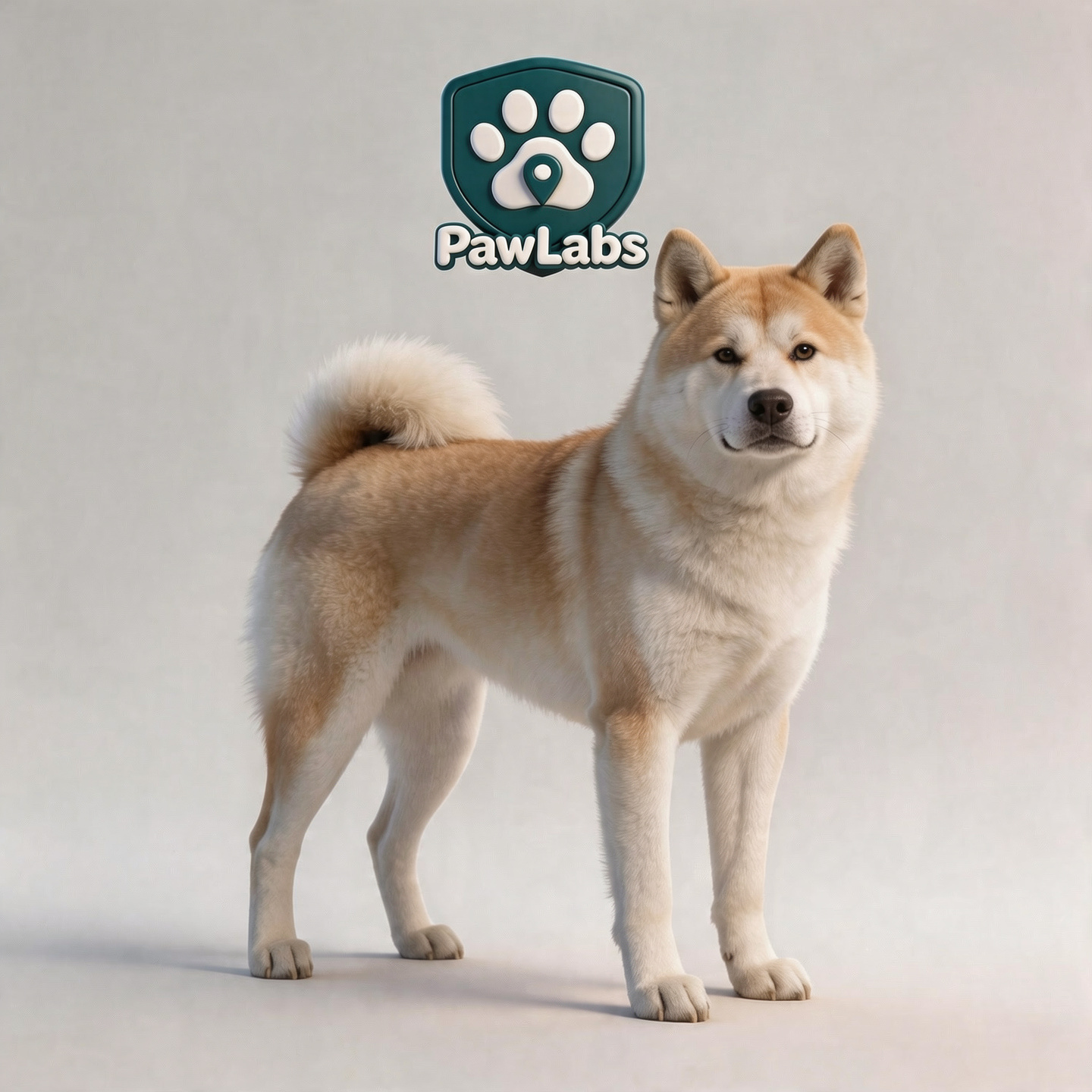
Shiba Inu
A bold, independent Japanese breed with a fox-like charm and stubborn streak.
Original Role: Hunting small game
💪 Strengths
- + Low-maintenance coat with minimal grooming needs
- + Highly alert and observant nature
⚠️ Weaknesses
- − Stubbornness that challenges training efforts
- − Tendency toward aloofness with strangers
📜 Breed History
The Shiba Inu, one of Japan’s most iconic breeds, traces its roots back thousands of years to the mountainous regions of the country. Originally bred for hunting small game like birds and rabbits, these compact dogs were prized for their agility and keen senses in rugged terrain. Their name, 'Shiba,' loosely translates to 'brushwood,' possibly referencing the underbrush they hunted in or their reddish coat resembling autumn foliage. They’re among the oldest breeds in the world, with archaeological evidence suggesting their ancestors existed as far back as 300 BC.
By the early 20th century, the Shiba Inu faced near extinction due to crossbreeding with Western dogs and the devastation of World War II. Dedicated Japanese breeders worked tirelessly to preserve the breed, establishing standards in the 1930s under the Nippon Ken Hozonkai (NIHONKEN), a club for native Japanese dogs. The Shiba was designated a national treasure, a testament to its cultural significance. After the war, the breed slowly gained international recognition, arriving in the United States in the 1950s, though it wasn’t until the 1990s that it earned AKC recognition in the Non-Sporting Group. Today, their fox-like appearance and meme-worthy 'Doge' internet fame have skyrocketed their popularity, though their ancient spirit remains untamed.
Shiba Inu: A Spirited Fox with a Mind of Its Own
I’ve spent years around Shiba Inus, and let me tell you, they’re not just a pretty face with those perky ears and curled tails. This breed is a bundle of contradictions—charming yet aloof, small yet mighty, independent to a fault. I’ve watched a Shiba stare me down over a simple 'sit' command as if I’d just asked it to solve quantum physics. They’re the quintessential Japanese dog, embodying a quiet dignity that can flip to playful mischief in a heartbeat. If you’re looking for a dog that’ll challenge your patience while stealing your heart with a sly grin, the Shiba might just be your match. But fair warning: they’re not for everyone.
Temperament & Personality
Living with a Shiba Inu feels like cohabitating with a tiny, opinionated samurai. They’re confident, almost regal, and they know it. I’ve had Shibas completely ignore me when I come home, only to prance over 20 minutes later for a quick head pat before wandering off to their throne—usually the comfiest spot on the couch. They’re not overly cuddly, though they’ll show loyalty in subtle ways, like shadowing you from room to room with those sharp, watchful eyes. With strangers, they’re often standoffish, giving a polite but firm 'no thanks' vibe. I’ve seen them warm up to kids after careful introductions, but they’re not the type to tolerate roughhousing. Their bold streak means they’ll stand their ground, even against much larger dogs at the park, which can lead to tense moments if you’re not paying attention.
Exercise & Activity Needs
Shibas have a moderate energy level, but don’t let their small size fool you—they need regular outlets for it. I’ve found a solid 45-minute walk each day, plus some backyard play, keeps most Shibas content. They love short bursts of activity, like chasing a ball or zooming around in figure-eights for no apparent reason at 6 a.m. Without enough exercise, they’ll channel that energy into mischief—think shredded slippers or a sudden obsession with digging up your flowerbeds. They’re not marathon runners like a Husky, but they’ve got enough spunk to keep you on your toes. Mental stimulation matters just as much; I’ve hidden treats around the house to keep their clever minds busy, and it works wonders.
Training & Intelligence
Training a Shiba Inu is where you’ll earn your stripes as a dog owner. They’re smart—scary smart sometimes—but they’ve got a stubborn streak wider than a Tokyo highway. I’ve spent hours trying to teach a Shiba to come when called, only to have them tilt their head as if to say, 'Why should I?' They’re not motivated by pleasing you like a Labrador; they want to know what’s in it for them. Treats help, but even then, you’ve got to keep sessions short and engaging. Early socialization is non-negotiable—I’ve seen unsocialized Shibas turn into anxious, reactive messes around other dogs. Consistency and patience are your best tools, but don’t expect a perfectly obedient pup. They’ll always have a mind of their own.
Health & Lifespan
Shiba Inus are generally hardy, often living 13 to 16 years, which is impressive for a breed their size. But they’re not without issues. I’ve known several with hip dysplasia, a painful joint condition that can creep up as they age, sometimes requiring pricey surgery—think $3,000 or more per hip in severe cases. Allergies are another common gripe; I’ve dealt with Shibas who scratch themselves raw from food or environmental triggers, needing special diets or meds to manage it. Patellar luxation, where the kneecap slips out of place, pops up too, especially in more active dogs. Eye conditions like glaucoma or cataracts can also emerge, so regular vet checkups are a must. They’re not the sickliest breed I’ve worked with, but you’ll want pet insurance or a savings stash for those inevitable vet bills.
Grooming & Maintenance
Here’s where Shibas are a bit of a relief. Their double coat is short and pretty low-maintenance, though they do blow their undercoat twice a year—spring and fall turn into a fur blizzard in your house. I’ve vacuumed enough Shiba hair to knit a sweater during those seasons. A weekly brush with a slicker or undercoat rake keeps things under control the rest of the time. Baths? Only when they’re truly dirty; their coat naturally repels dirt, and over-bathing can dry out their skin. I’ve noticed their nails grow fast, so a monthly trim—or a good scratching post if they’ll use it—saves your floors. Teeth brushing is the one chore they hate, but it’s worth the wrestle to avoid dental issues down the line.
Diet & Nutrition
Shibas don’t need a complicated diet, but they’re prone to packing on pounds if you’re not careful. I’ve seen a few chubby Shibas waddling around because their owners couldn’t resist those pleading eyes at dinnertime. Stick to a high-quality kibble or raw diet tailored for small, active breeds—about 1 to 1.5 cups of food daily, split into two meals, works for most adults. Watch for food allergies; I’ve had to switch a couple of Shibas to limited-ingredient formulas after they broke out in itchy rashes from chicken. Fresh water, always, and go easy on treats—10% of their daily calories max. If they start looking rounder than a sumo wrestler, cut back and up the exercise.
Living Conditions
Shibas adapt decently to various setups, but they’ve got preferences. Apartments can work if you’re committed to daily walks, though their occasional sharp barks—often at squirrels or the mailman—might annoy neighbors. I’ve kept Shibas in small spaces, but they’re happiest with a fenced yard to patrol. They’re escape artists, by the way; I’ve chased one down the street after it scaled a fence I swore was secure. Their thick coat handles cold well, a nod to their mountain origins, but they’ll overheat in brutal summers—keep them shaded and hydrated. They’re not outdoor dogs; they want to be near you, even if they act like they don’t.
Who Should Get This Breed
If you’re an experienced dog owner who appreciates a challenge and a dog with personality to spare, the Shiba Inu could be your soulmate. I’ve seen them thrive with single folks or couples who have time to dedicate to training and exercise. They’re ideal for someone who values independence in a pet and doesn’t need constant affection—think of them as a roommate who occasionally deigns to hang out. If you live in a cooler climate and have a secure yard, even better. They’re a great pick for someone who wants a smaller dog with big-dog attitude, as long as you’re ready to put in the work upfront with socialization.
Who Should NOT Get This Breed
If you’re a first-time dog owner, I’d steer clear of a Shiba Inu. Their stubbornness and aloof nature can be overwhelming if you’re not used to handling strong-willed dogs. Families with very young kids often struggle too—I’ve seen Shibas snap when a toddler gets too grabby, and they’re not patient enough for that chaos. If you’re looking for a velcro dog who lives for cuddles or follows every command, this isn’t your breed; they’ll leave you frustrated. And if you can’t commit to daily exercise or a solid fence, don’t even think about it—Shibas will outsmart and outrun you every time.
❓ Shiba Inu FAQs
The questions people ask most, answered from this breed's trait scores.
Is the Shiba Inu good with children?
The Shiba Inu scores 5/10 for child-friendliness, making it usually fine with children who have been taught to handle a dog respectfully. That score reflects the breed's typical temperament, not any individual animal — early socialisation and how the dog was raised matter just as much. Supervise interactions with toddlers whatever the breed.
Does the Shiba Inu get along with other pets?
Scoring 4/10 for pet-friendliness, the Shiba Inu is prone to friction with other animals, and needs careful, slow introductions. Prey drive matters here as well as sociability: breeds built to chase can live happily with a household cat they grew up with and still pursue an unfamiliar one.
How much exercise does the Shiba Inu need?
The Shiba Inu rates 6/10 for energy and needs about an hour a day. The breed was originally developed for hunting small game, which is where that requirement comes from.
Does the Shiba Inu shed a lot?
At 7/10 for shedding, the Shiba Inu sheds noticeably, and you will find hair on clothes and furniture. It has a short double coat. Worth knowing: low shedding is not the same as hypoallergenic — most people react to proteins in dander and saliva, not to hair itself, so no breed is genuinely allergy-free.
Is the Shiba Inu easy to train?
The Shiba Inu scores 4/10 for trainability, making it independent-minded and slow to comply, which takes patience. It scores 7/10 for intelligence — worth separating from trainability, because a clever breed that has decided not to listen is harder work than a simpler one that wants to.
What is the average lifespan of the Shiba Inu?
The Shiba Inu typically lives 13–16 years. We rate the breed 7/10 for general health robustness. Individual lifespan depends heavily on genetics, weight management and veterinary care.
How big does the Shiba Inu get?
A full-grown Shiba Inu usually weighs 17–23 lbs and stands roughly 13–17 inches at the shoulder. That places it in the small size band. Males generally sit at the upper end of both ranges.
Does the Shiba Inu bark a lot?
Rated 5/10 for barking, the Shiba Inu barks a moderate amount. Training and adequate exercise both reduce nuisance barking, but they will not turn a naturally vocal breed into a silent one.
Is the Shiba Inu suited to apartment living?
The Shiba Inu is a difficult fit for apartment living. It scores 6/10 for adaptability, 6/10 for energy and 5/10 for barking — the three traits that decide this. Floor space matters far less than whether the breed can settle indoors and stay quiet while you are out.
Is the Shiba Inu a good choice for first-time owners?
On balance the Shiba Inu is manageable for a first-time owner who is willing to put the work in early, based on its trainability (4/10), adaptability (6/10) and energy level (6/10). The most common reason a first dog does not work out is a mismatch between the breed's daily needs and the owner's actual routine, rather than anything about the breed itself.
Written and reviewed by PawLabs Editorial Team
We build PawLabs from published kennel club breed standards and veterinary reference sources. Profiles are drafted with AI assistance against that source data, then reviewed and corrected by a person before anything is published. We say so because you should know how the thing you're reading was made. How we research breeds · Report a correction
Note: Breed profiles are general reference, not veterinary advice. For anything concerning your own animal, talk to a vet who can examine them.