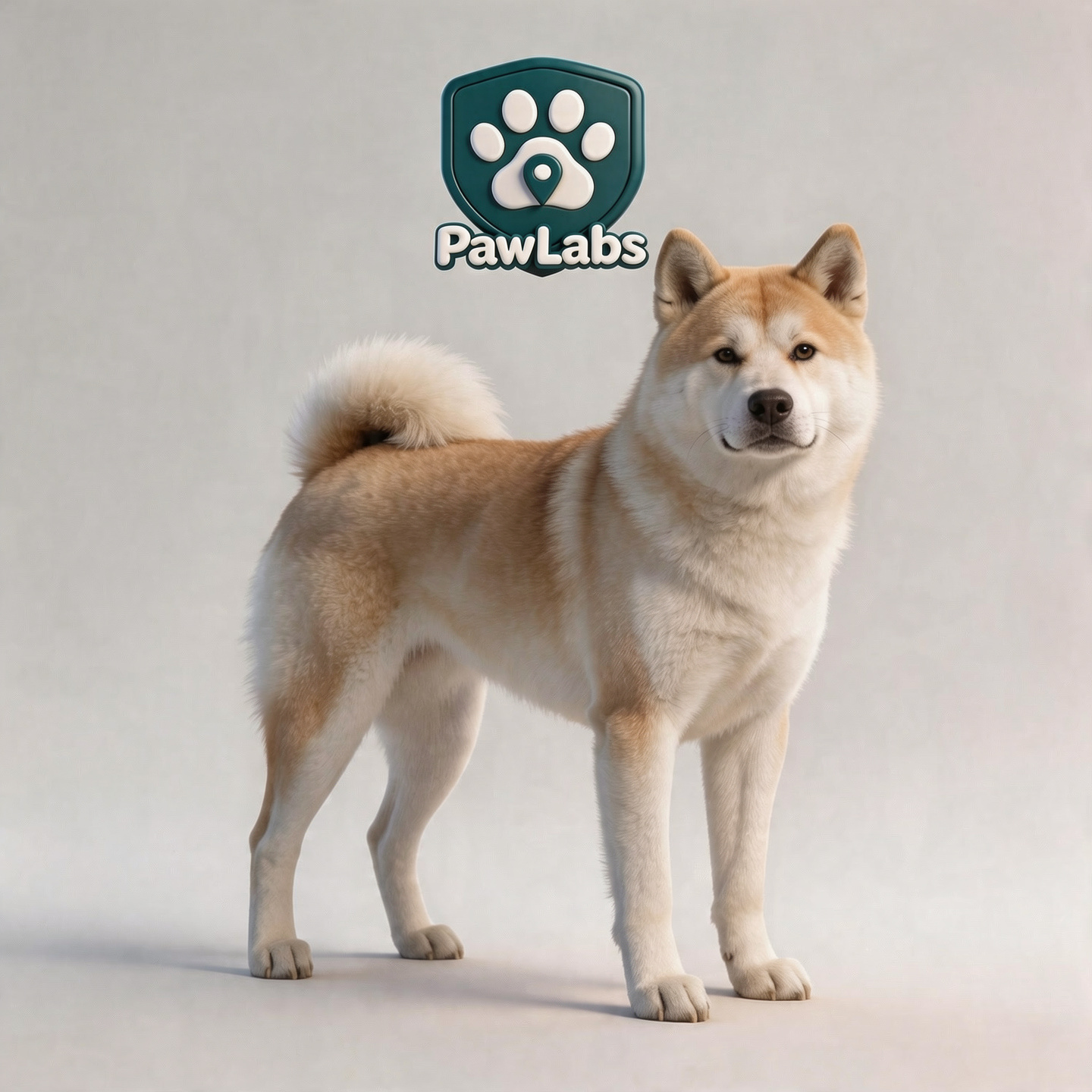
Tibetan Terrier
A spirited, affectionate companion with a protective streak and ancient Himalayan roots.
Original Role: Companion and watchdog
💪 Strengths
- + Deeply loyal and bonds strongly with family
- + Long lifespan for a dog
⚠️ Weaknesses
- − Can be stubborn and resistant to training
- − High grooming demands due to thick coat
📜 Breed History
The Tibetan Terrier hails from the rugged, isolated mountains of Tibet, where it was bred over 2,000 years ago by Buddhist monks. Contrary to its name, this breed isn’t a true terrier but was named by Western travelers who saw similarities to familiar terrier breeds. Originally, these dogs were cherished as companions and watchdogs in monasteries, alerting monks to intruders while also serving as symbols of good luck. Often called 'holy dogs of Tibet,' they were rarely sold but given as gifts to honor special relationships or visitors. Their thick, double coat evolved to protect them from the harsh Himalayan climate, with a woolly undercoat for insulation and long outer hair to shield against snow and wind.
The breed’s journey to the West began in the 1920s when a British doctor, Agnes Greig, received a Tibetan Terrier as a gift for treating a patient in India. She brought the dog to England, where she established the first breeding program. Recognized by the Kennel Club (UK) in 1937 and later by the American Kennel Club in 1973, the Tibetan Terrier transitioned from a sacred guardian to a beloved family pet. Despite their ancient roots, they’ve retained their alert, independent nature and a deep loyalty to their people, traits forged in the monasteries of their homeland.
A Spirited Himalayan Companion with a Mind of Its Own
I’ve spent countless hours with Tibetan Terriers over the years, and let me tell you, they’re a breed that surprises you. Not a terrier in the traditional sense, these dogs carry the mystique of their ancient Tibetan origins, where they were revered as sacred companions. They’re medium-sized bundles of fur with a playful spirit and a protective edge, but they’re not for everyone. I’ve watched a Tibetan Terrier stand guard over a sleeping toddler as if it were a sworn duty, yet I’ve also seen that same dog completely ignore a command just because it felt like doing its own thing. If you’re looking for a dog that’s equal parts affectionate and independent, with a dash of watchdog instinct, this breed might steal your heart—but only if you’re ready for the challenge.
Temperament & Personality
Living with a Tibetan Terrier feels like having a best friend who occasionally acts like they don’t need you. They’re incredibly affectionate with their family, often curling up beside you on the couch or following you from room to room just to keep tabs. I’ve had owners tell me their Tibetan Terrier greets them at the door every day with a little dance, tail wagging and paws tapping. But they’ve got a reserved side too. They’re not the type to fawn over strangers—most will give a cautious stare or a low woof until they decide you’re trustworthy. That protective streak comes straight from their days as monastery watchdogs in Tibet. They’re not aggressive, but they’ll let you know if something’s off. And don’t expect blind obedience; their independent streak means they often think they know better than you do.
Exercise & Activity Needs
Tibetan Terriers aren’t couch potatoes, but they’re not high-octane athletes either. They need a solid 45 minutes to an hour of activity each day to keep them content. I’ve taken them on brisk walks through city parks and seen them trot happily alongside me, their fluffy tails bouncing. They also love a good romp in a fenced yard—chasing a ball or just exploring every corner with that curious glint in their eye. Without enough exercise, though, they can get bored, and a bored Tibetan Terrier might decide your favorite slippers are a chew toy. They’re adaptable to different activity levels, so if you’re more of a weekend hiker than a daily runner, they’ll usually be fine with that as long as they get mental stimulation too. Puzzle toys or short training sessions can help burn off that extra energy.
Training & Intelligence
Training a Tibetan Terrier is where patience becomes your best friend. They’re smart—there’s no doubt about that. I’ve seen them figure out how to open a baby gate in under a day. But their intelligence comes with a stubborn streak that can test even experienced owners. They were bred to think for themselves in the rugged Himalayas, not to follow every command without question. So, when I tried teaching one to sit on cue, it stared at me like I’d asked it to do calculus. Positive reinforcement works best—treats, praise, and keeping sessions short. Harsh methods? Forget it. They’ll shut down or just walk away. Early socialization is critical too; without it, their wariness of strangers can turn into overprotectiveness. Consistency and a sense of humor will get you far, but don’t expect a robotic obedience champ.
Health & Lifespan
One of the upsides of the Tibetan Terrier is their longevity—they often live 15 to 16 years, which is impressive for a dog. But they’re not without health challenges. I’ve known several with hip dysplasia, a common issue in medium breeds, where the joint doesn’t form properly, leading to pain or lameness. Regular vet checkups and keeping them at a healthy weight can help manage this. They’re also prone to progressive retinal atrophy, a genetic eye condition that can lead to blindness over time. I’ve seen owners catch this early with annual eye exams, which can’t stop the disease but can help prepare for it. Patellar luxation, where the kneecap slips out of place, is another concern—something to watch for if your dog starts limping after a jump. Vet costs can add up with these issues, so pet insurance or a savings plan isn’t a bad idea. Overall, they’re a hardy breed if you stay on top of their care.
Grooming & Maintenance
Let’s talk about that glorious coat. Tibetan Terriers have a thick, double-layered fur that’s stunning—long, flowing, and often parted down the back like a curtain. But it’s a commitment. I’ve spent hours brushing out mats from a neglected coat, and trust me, it’s no fun for you or the dog. Daily brushing is ideal to prevent tangles, especially around the ears and legs where fur clumps easily. A full grooming session every 6 to 8 weeks, whether at home or with a professional, keeps them looking their best. Bathing every month or so works, but overdoing it can strip their natural oils. They don’t shed as much as you’d expect for all that hair—more seasonal shedding than constant—but you’ll still find tufts around the house. Their feet need attention too; hair between the pads can trap dirt or ice, so regular trims are a must.
Diet & Nutrition
Feeding a Tibetan Terrier isn’t overly complicated, but they do best on high-quality dog food tailored to their size and activity level. I’ve fed adults about 1 to 1.5 cups of dry kibble daily, split into two meals, though this varies with weight and energy. Puppies need more frequent meals—three to four times a day—until they’re about six months old. They’re not particularly prone to obesity, but I’ve seen some gain weight if overfed or under-exercised, especially as they age. Watch the treats; those pleading eyes are hard to resist, but too many extras can lead to issues. Some owners I’ve worked with swear by adding a bit of wet food or raw elements for variety, but always check with your vet first. Fresh water is non-negotiable, and keep an eye out for food sensitivities—some Tibetan Terriers develop itchy skin if their diet isn’t quite right.
Living Conditions
Tibetan Terriers are adaptable, but they’re not suited for every environment. They can handle apartment life if you commit to daily walks and playtime—I’ve known several who thrived in small spaces with attentive owners. But they’re happiest with a bit of room to roam, ideally a house with a secure yard where they can sniff around or chase a toy. Their thick coat means they’re built for cold weather; they’ll prance through snow like it’s nothing. Heat, though? Not their friend. I’ve seen them pant heavily on humid summer days, so air conditioning or shade is essential in warmer climates. They don’t do well left alone for long stretches either—separation anxiety can kick in, leading to barking or chewing. If you’re gone for hours daily, this might not be the breed for you unless you’ve got a dog walker or companion pet.
Who Should Get This Breed
If you’re an active person or family looking for a loyal, medium-sized dog with personality to spare, the Tibetan Terrier could be your match. They shine with owners who have time to invest in grooming and companionship. I’ve seen them bond beautifully with kids who know how to respect a dog’s space, and they often get along with other pets if introduced properly. They’re perfect for someone who wants a dog with a bit of spunk and a protective instinct without the intensity of a full-on guard breed. If you live in a cooler climate and enjoy a daily walk or two, even better. They’re also a great choice if you value a long-lived companion—many owners cherish 15-plus years with these dogs.
Who Should NOT Get This Breed
On the flip side, Tibetan Terriers aren’t for everyone, and I’m not shy about saying so. If you’re a first-time dog owner hoping for an easy, eager-to-please pup, look elsewhere—their stubbornness can frustrate beginners. They’re not ideal if you work long hours and can’t provide company or stimulation; I’ve seen them turn destructive when bored or lonely. If you’re not prepared for regular grooming, don’t even think about it—neglecting their coat leads to painful mats and pricey groomer bills. And if you live in a hot, humid area without ways to keep them cool, their heavy fur will make them miserable. Honestly, if you want a low-maintenance dog or one that worships your every word, this isn’t the breed for you.
❓ Tibetan Terrier FAQs
The questions people ask most, answered from this breed's trait scores.
Is the Tibetan Terrier good with children?
The Tibetan Terrier scores 7/10 for child-friendliness, making it a good match for families with children. That score reflects the breed's typical temperament, not any individual animal — early socialisation and how the dog was raised matter just as much. Supervise interactions with toddlers whatever the breed.
Does the Tibetan Terrier get along with other pets?
Scoring 6/10 for pet-friendliness, the Tibetan Terrier is usually fine with other pets once introduced properly. Prey drive matters here as well as sociability: breeds built to chase can live happily with a household cat they grew up with and still pursue an unfamiliar one.
How much exercise does the Tibetan Terrier need?
The Tibetan Terrier rates 6/10 for energy and needs about an hour a day. The breed was originally developed for companion and watchdog, which is where that requirement comes from.
Does the Tibetan Terrier shed a lot?
At 4/10 for shedding, the Tibetan Terrier sheds lightly. It has a long double coat. Worth knowing: low shedding is not the same as hypoallergenic — most people react to proteins in dander and saliva, not to hair itself, so no breed is genuinely allergy-free.
Is the Tibetan Terrier easy to train?
The Tibetan Terrier scores 5/10 for trainability, making it trainable with consistency, though not eager to please for its own sake. It scores 7/10 for intelligence — worth separating from trainability, because a clever breed that has decided not to listen is harder work than a simpler one that wants to.
What is the average lifespan of the Tibetan Terrier?
The Tibetan Terrier typically lives 15–16 years. We rate the breed 6/10 for general health robustness. Individual lifespan depends heavily on genetics, weight management and veterinary care.
How big does the Tibetan Terrier get?
A full-grown Tibetan Terrier usually weighs 18–30 lbs and stands roughly 14–17 inches at the shoulder. That places it in the medium size band. Males generally sit at the upper end of both ranges.
Does the Tibetan Terrier bark a lot?
Rated 6/10 for barking, the Tibetan Terrier barks a moderate amount. Training and adequate exercise both reduce nuisance barking, but they will not turn a naturally vocal breed into a silent one.
Is the Tibetan Terrier suited to apartment living?
The Tibetan Terrier is a difficult fit for apartment living. It scores 6/10 for adaptability, 6/10 for energy and 6/10 for barking — the three traits that decide this. Floor space matters far less than whether the breed can settle indoors and stay quiet while you are out.
Is the Tibetan Terrier a good choice for first-time owners?
On balance the Tibetan Terrier is manageable for a first-time owner who is willing to put the work in early, based on its trainability (5/10), adaptability (6/10) and energy level (6/10). The most common reason a first dog does not work out is a mismatch between the breed's daily needs and the owner's actual routine, rather than anything about the breed itself.
Written and reviewed by PawLabs Editorial Team
We build PawLabs from published kennel club breed standards and veterinary reference sources. Profiles are drafted with AI assistance against that source data, then reviewed and corrected by a person before anything is published. We say so because you should know how the thing you're reading was made. How we research breeds · Report a correction
Note: Breed profiles are general reference, not veterinary advice. For anything concerning your own animal, talk to a vet who can examine them.