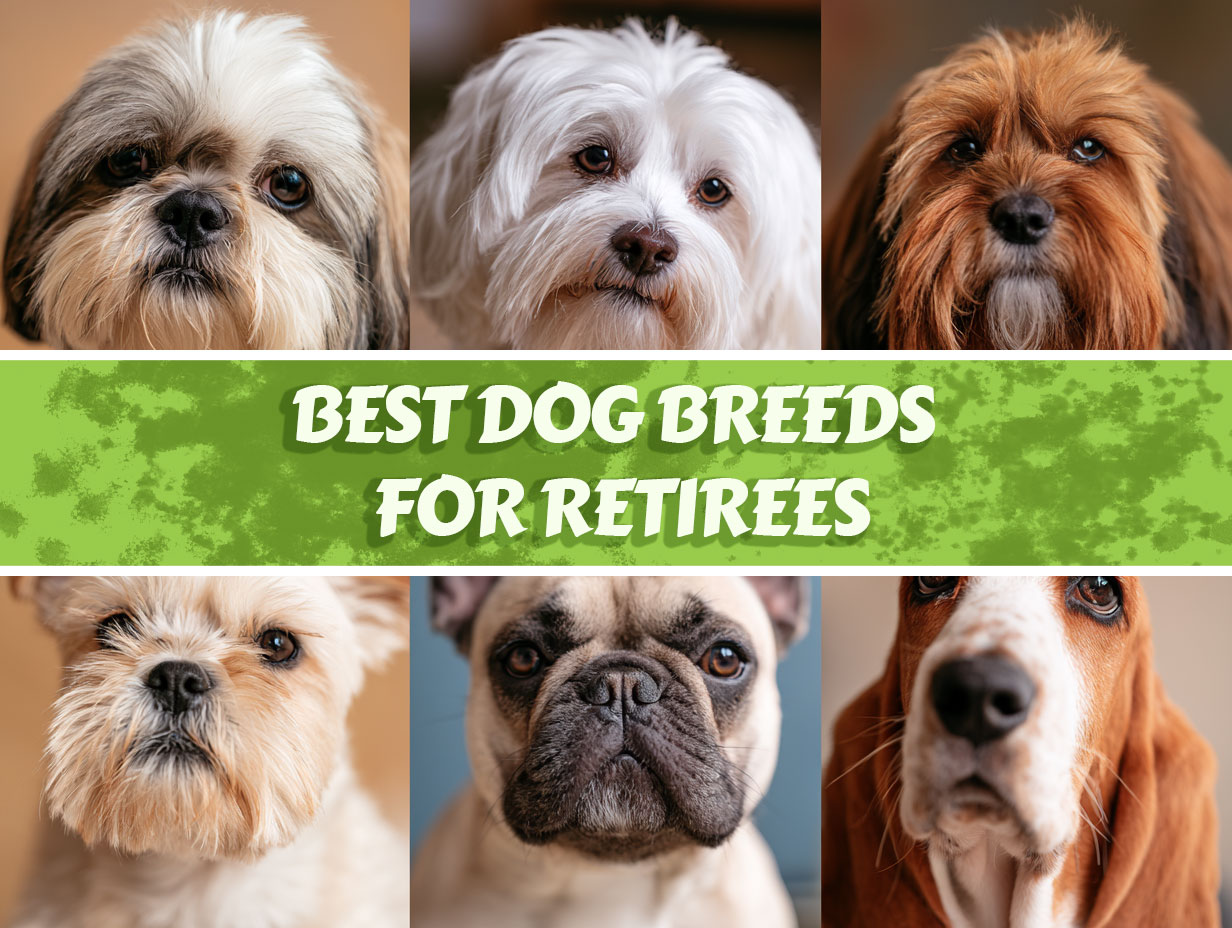
Older owners often need a dog that provides steady presence and affection while fitting a slower daily rhythm. High-energy breeds quickly become frustrating when walks shorten or play sessions drop off. The right match keeps grooming, exercise and health demands realistic for someone with reduced mobility or stamina, avoiding breeds that need frequent brushing, long outings or frequent vet intervention for breathing or joint problems.
Low exercise tolerance rules out anything that requires more than short, slow walks. Grooming needs matter because stiff hands or limited reach make daily brushing impractical. Health robustness and calm temperament separate workable choices from those that create new physical or financial burdens later in life.
Breeds that stay small, accept apartment living and remain quiet indoors reduce daily friction. The ranking below weighs these constraints directly against each breed's documented traits and owner-reported realities.
1. French Bulldog
A French Bulldog fits a retired schedule because its energy level stays low enough for brief indoor play and one short walk a day. The breed bonds closely without needing constant interaction, so you can share quiet time on the couch while the dog remains content nearby. Its compact size means lifting or helping it onto furniture stays manageable even with limited strength.
Grooming stays minimal with occasional wiping of facial folds and light brushing a couple times a week. Daily exercise rarely exceeds twenty minutes of slow movement, and the short coat sheds moderately without heavy seasonal blowouts. Annual costs typically stay moderate except when breathing or skin issues appear.
Skip this breed if breathing difficulties or heat sensitivity would require constant monitoring or restricted outdoor time. French Bulldogs also rank lower in health robustness, so owners already managing their own medical appointments often face added vet visits that become difficult to coordinate.
2. Basset Hound
The Basset Hound delivers calm companionship suited to slower days, staying relaxed indoors for long stretches without demanding activity. Its affectionate nature means it will follow you from room to room at its own pace rather than requiring structured play. Medium size stays manageable for most retired owners who can still manage a low-to-the-ground dog that rarely jumps.
Coat care involves only weekly brushing and minimal bathing, while exercise needs top out at two short, slow walks daily. The breed tolerates apartment living well and rarely exceeds moderate barking, keeping household noise low. Feeding and routine care costs remain straightforward without specialized grooming appointments.
Consider skipping the Basset if reduced mobility makes stooping to clean ears or handle a heavier frame uncomfortable. Its lower adaptability score also shows up when schedules change suddenly or when the household includes frequent visitors the dog has not met before.
3. English Toy Spaniel
An English Toy Spaniel offers quiet, steady affection that matches a low-key retirement routine without pushing for long walks or vigorous games. The breed settles easily into apartment life and remains content with short periods of gentle interaction followed by rest. Its small size eliminates any lifting strain and keeps feeding portions modest.
Daily needs include brief brushing several times weekly and one or two short outings, keeping physical demands light. Barking stays low, which helps in close-quarters living, and the dog generally adapts well to consistent, predictable schedules. Routine veterinary care stays average when hereditary conditions are screened early.
Pass on this breed if frequent coat maintenance becomes difficult, since grooming needs reach moderate-to-high levels that some owners later find tiring. The lower stranger-friendly rating can also translate into wariness around new caregivers or visitors if the dog is not socialized consistently.
4. Havanese
The Havanese provides reliable companionship and adapts readily to reduced activity levels while still offering enough playfulness to keep days interesting without physical intensity. Its small size and affectionate temperament suit owners who want a dog nearby throughout the day. Higher adaptability helps when daily routines shift slightly due to medical appointments or family visits.
Grooming requires regular brushing to prevent mats, though the low-shedding coat reduces airborne hair. Exercise stays light with short indoor games or brief outdoor time, and trainability supports simple routines that do not overwhelm an older handler. Health robustness sits higher than several other toy breeds, lowering unexpected medical costs.
Skip the Havanese if daily or every-other-day brushing feels unmanageable, because neglected coats quickly become uncomfortable for both dog and owner. Its higher barking tendency can also disturb neighbors in quiet buildings if the dog alerts to every hallway sound.
5. Papillon
A Papillon brings alertness and affection in a small package that fits limited mobility, yet its slightly higher energy means short, purposeful walks remain necessary to prevent restlessness. The breed bonds closely and learns routines quickly, giving owners a predictable companion that responds well to calm handling. Its size keeps care tasks simple.
Coat care involves moderate brushing a few times weekly, and exercise typically fits into two fifteen-minute outings. Intelligence supports basic training that an older owner can maintain without physical strain. Health scores remain solid when routine screenings occur.
Choose another breed if even modest daily walks feel too demanding, because the Papillon's energy level exceeds the lowest options on this list. Its barking frequency also rises when the dog lacks enough mental engagement, which can become noticeable in smaller living spaces.
6. Shih Tzu
The Shih Tzu offers steady affection and a small size that reduces physical handling challenges for retired owners. It tolerates shorter activity periods and settles into indoor routines without protest. Its compact frame fits easily into most living arrangements common among older adults.
Daily life includes high grooming demands that often require professional trimming every six to eight weeks plus regular home brushing to avoid mats. Exercise stays minimal, limited to brief walks, yet the coat care routine remains the dominant ongoing task. Feeding and basic health maintenance stay average when eye and dental issues receive early attention.
Pass if grooming frequency or cost will become a burden, because neglected coats lead to skin problems and discomfort that an owner with limited dexterity cannot easily resolve. The moderate barking level can also increase if the dog feels isolated during longer periods alone.
How to choose between them
Start by matching grooming tolerance first. French Bulldog and Basset Hound require the least coat work, while Shih Tzu and Havanese quickly become impractical if brushing or professional trimming cannot be maintained consistently.
Next weigh breathing or joint concerns against your own health management capacity. French Bulldogs carry higher respiratory risk, Basset Hounds can develop ear and back issues, and the remaining breeds trend toward fewer acute physical limitations when basic preventive care stays in place.