Selecting a dog for minimal activity
Readers seeking sofa companionship need breeds that naturally prefer rest over movement. Many dogs require daily walks or mental stimulation that quickly becomes a burden when the goal is quiet presence rather than structured routines. The key distinction lies in breeds developed primarily for human company with energy levels that stay consistently low across adulthood.
High trainability often signals a dog that will push for tasks or games, while lower scores here align with relaxed temperaments that accept household rhythms without protest. Health considerations also matter because some low-energy breeds carry genetic issues that increase veterinary costs over time. Size influences fit as well, since giant breeds can overwhelm limited living space even when calm.
Breeds that shed moderately or demand regular grooming add ongoing maintenance that may not match the low-effort preference. The following ranking prioritizes documented energy profiles, affection patterns, and real-world upkeep demands reported across breed standards and owner data.
1. Bulldog
This breed delivers steady, low-key affection suited to extended periods of shared stillness. Daily life involves short outdoor breaks rather than structured exercise, with the dog content to remain indoors for most of the day. Its compact frame fits apartment settings where movement space stays limited.
Owners report one or two brief walks of ten to fifteen minutes suffice, alongside minimal formal training sessions. Grooming requires brushing several times weekly to manage moderate shedding, and annual veterinary expenses often run higher due to breathing and joint concerns common in the breed.
Skip this breed if breathing difficulties or high medical costs would create ongoing worry, as Bulldogs frequently need interventions for respiratory issues that worsen with age or heat exposure.
2. French Bulldog
The French Bulldog provides consistent closeness without initiating play or demanding attention through movement. Its small size allows it to settle beside a person for hours while matching the pace of a sedentary household. Daily routines center on short potty outings and indoor rest rather than any form of prolonged activity.
Exercise needs stay minimal with two short walks daily totaling under thirty minutes. Grooming involves occasional brushing since shedding remains moderate, though skin folds require regular cleaning to prevent irritation. Veterinary care averages higher due to prevalent breathing and spinal conditions.
Those sensitive to frequent health expenses or living in hot climates should consider alternatives, because heat intolerance and airway restrictions limit outdoor time and raise complication risks.
3. English Toy Spaniel
This small breed forms quiet attachments and remains nearby without pushing for activity. It adapts to indoor living by staying close during rest periods and accepts limited movement as the household norm. Its size makes it practical for smaller spaces where larger dogs would feel cramped.
Daily care includes brief walks of fifteen minutes and regular coat brushing several times per week to handle moderate shedding and prevent matting. Training demands stay low, with basic house manners sufficient rather than advanced obedience work. Health screenings add to routine costs but remain more manageable than some flat-faced breeds.
Potential owners should avoid this breed if they prefer outgoing interactions with visitors, since the English Toy Spaniel tends toward reserve with strangers and may not suit homes with frequent guests.
4. Basset Hound
The Basset Hound offers calm companionship through its steady presence and low drive to roam. It settles into household routines that emphasize rest, with its medium size providing a noticeable but not overwhelming physical presence on shared furniture.
Exercise consists of two short walks daily, each around twenty minutes, though its sense of smell can extend outings if scents distract. Grooming needs remain light with occasional brushing, yet ear care requires weekly attention to prevent infections. Training stays basic because the breed responds slowly to commands.
Households sensitive to vocalizations should look elsewhere, as Basset Hounds bark more readily than other low-energy options when they detect sounds or feel unsettled.
5. Pekingese
The Pekingese maintains a composed indoor presence that aligns with minimal activity goals. Its small stature allows it to occupy limited space comfortably while remaining affectionate toward its primary person. Daily patterns involve short outdoor needs and extended periods of quiet observation.
Care includes daily brushing to manage its heavy coat and prevent tangles, plus two brief walks of ten minutes each. The breed shows little interest in training beyond basic house rules, which reduces time spent on commands. Shedding occurs regularly and requires consistent vacuuming.
This breed does not suit homes where children or rough play occur, because its small size and protective tendencies lead to defensive reactions rather than tolerance.
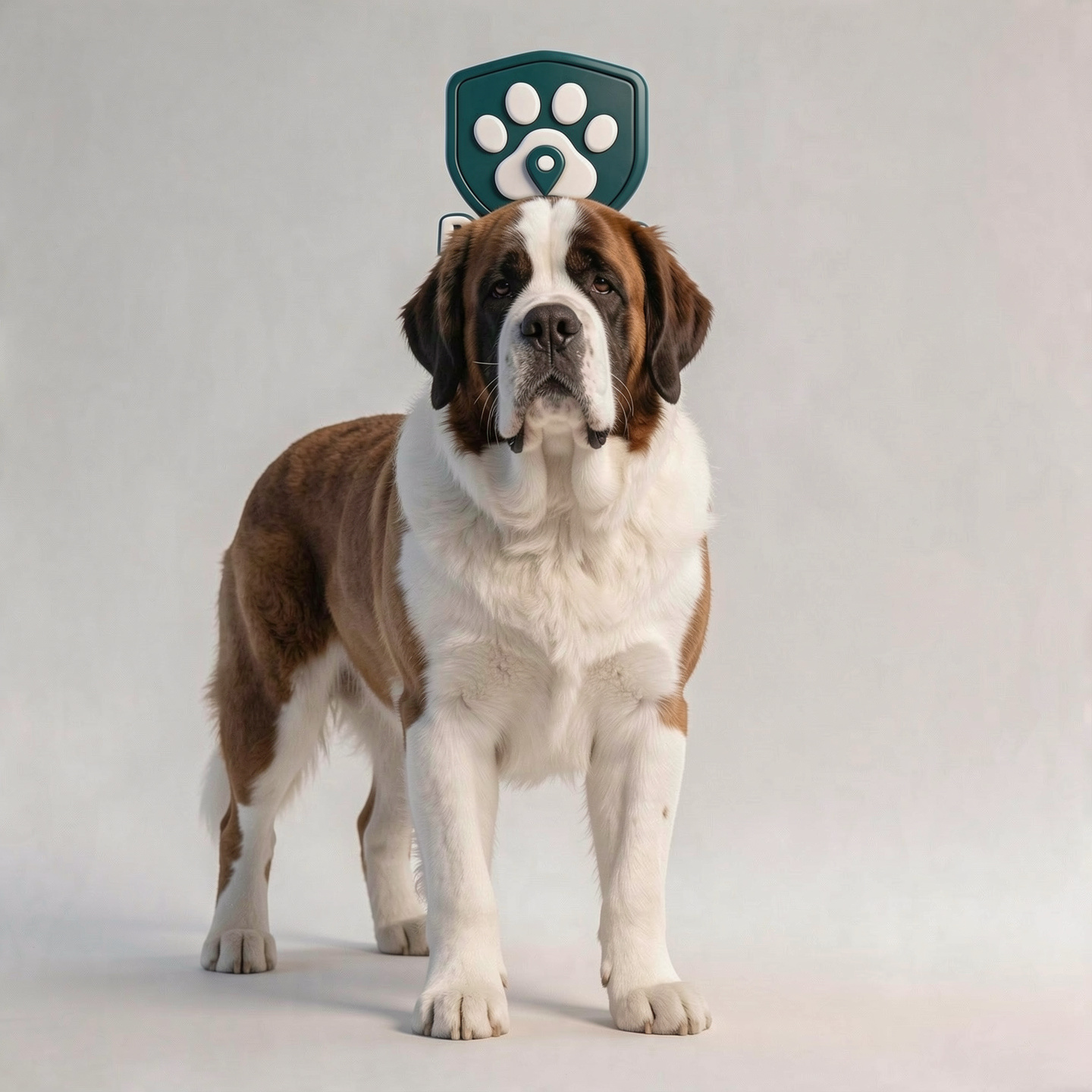
6. Saint Bernard
The Saint Bernard brings calm affection in a larger package that still prefers rest over exertion. Its size provides a substantial presence for those with ample floor space, though movement stays limited compared with working breeds.
Daily exercise stays under thirty minutes of slow walking, yet grooming demands frequent brushing to control heavy shedding and maintain the thick coat. Feeding and space requirements increase costs, with veterinary attention needed for joint support as the dog ages.
Skip this breed in smaller homes or tight budgets, because its giant frame creates practical challenges for furniture, doorways, and regular maintenance that outweigh its low energy.
How to choose between them
Match size and grooming tolerance first. Smaller breeds such as the French Bulldog or English Toy Spaniel reduce space demands but may carry higher grooming or breathing considerations, while the Bulldog offers the lowest energy at the cost of medical upkeep.
Next weigh health history access and noise tolerance. Breeds with documented respiratory or joint issues require reliable veterinary support, and higher barking tendencies in options like the Basset Hound or Pekingese may disrupt quiet households seeking minimal disruption.