Greyhound
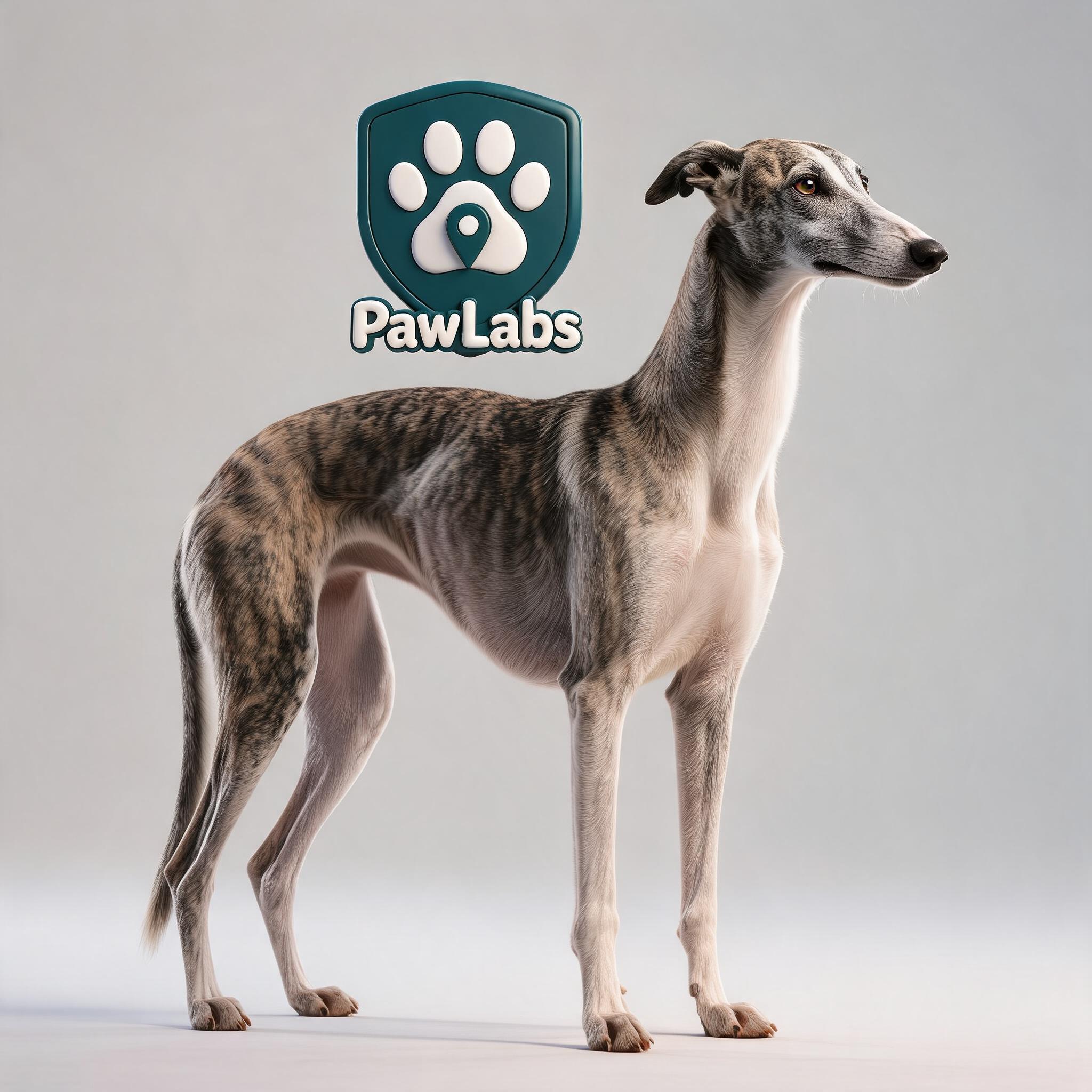
Elegant speedsters with a gentle soul, Greyhounds crave quiet companionship.
Original Role: Coursing and racing
💪 Strengths
- + Exceptional speed and athleticism
- + Low-maintenance coat
- + Calm indoor demeanor
⚠️ Weaknesses
- − High prey drive
- − Sensitive to cold
- − Not overly affectionate
📜 Breed History
The Greyhound is one of the oldest dog breeds, with roots tracing back over 4,000 years to ancient Egypt and the Middle East. Depictions of these sleek, long-legged dogs appear in tomb carvings and artifacts, where they were revered as companions of royalty and symbols of status. Their original purpose was coursing—hunting game like hares and gazelles by sight rather than scent, relying on their unmatched speed and keen vision. I’ve always been struck by how their elegant form hasn’t changed much since those early days; they’re living relics of history.
By the Middle Ages, Greyhounds had spread to Europe, where they became favorites of the nobility for sport and hunting. Their name likely derives from the Old English ‘grighund,’ though some suggest it ties to their gray coloring in early lines. In the 19th and 20th centuries, the breed’s purpose shifted toward racing, especially in England and the United States, where tracks became a cultural phenomenon. Organizations like the American Kennel Club recognized them in 1885, cementing their status beyond just working dogs. Today, many Greyhounds are retired racers finding homes as pets, a transition that’s both heartwarming and challenging given their unique needs. Their history as sprinters shapes everything about them, from their lean bodies to their quiet, reserved nature.
The Greyhound: A Gentle Giant Built for Speed, Not Snuggles
I’ve always said that living with a Greyhound is like having a piece of living art in your home. These dogs are breathtaking—long, lean, and sculpted for speed, with a quiet grace that can stop you in your tracks. But don’t let their elegance fool you into thinking they’re high-maintenance divas. I’ve spent years around Greyhounds, both as racetrack retirees and bred-for-show lines, and I can tell you they’re surprisingly low-key for a breed that can hit 45 miles per hour in a sprint. They’re not the cuddly, Velcro dogs some expect, though. If you’re looking for a pet to shower you with constant affection, a Greyhound might leave you wanting. But if you value a calm, independent companion who’s content to lounge on your couch for hours, this breed might just steal your heart.
Temperament & Personality
Greyhounds are the introverts of the dog world. I’ve watched them at adoption events, standing aloof while other breeds wag and beg for attention. They’re gentle and reserved, often bonding deeply with one or two people but not overly eager to please everyone they meet. They’re not cold—just selective. I remember a retired racer I fostered named Luna who would lie at my feet for hours, occasionally lifting her head for a quick pat before drifting back to sleep. That’s their vibe: quiet companionship. They’re rarely vocal, which is a blessing if you hate barking, but don’t expect them to alert you to strangers. Their prey drive, though? It’s intense. I’ve seen a Greyhound go from zero to full sprint in a heartbeat at the sight of a squirrel. Small pets in the house can be a risky mix unless they’re raised together.
Exercise & Activity Needs
Here’s where people get Greyhounds wrong—they assume a racing dog needs hours of exercise daily. Not true. I’ve had Greyhounds that were perfectly content with a 20- to 30-minute walk twice a day, plus a good sprint in a fenced area once or twice a week. They’re sprinters, not endurance runners. Give them a chance to stretch their legs at full speed, and they’ll happily nap the rest of the day. I used to take mine to a local dog park with a huge field, and watching them run was like poetry in motion. But be warned: they must be on a leash or in a secure area. Their instinct to chase can override any recall training, and I’ve had heart-stopping moments when one bolted after a bird. They’re not high-energy in the way a Border Collie is, but they do need those short bursts to stay happy.
Training & Intelligence
Training a Greyhound is a lesson in patience. They’re smart enough to understand what you want, but they often don’t see the point in doing it. I’ve spent hours trying to teach basic commands to Greyhounds who’d rather stare into the distance than sit for a treat. Their independent nature comes from centuries of working solo to chase prey, not from following human direction. Positive reinforcement works best, but don’t expect lightning-fast results. I had one named Max who took three months to reliably come when called—and even then, only if he felt like it. They’re not stubborn, just wired differently. Socialization is key, especially for retired racers who might not have been exposed to much beyond the track. Introducing them to new sights and sounds slowly pays off.
Health & Lifespan
Greyhounds typically live 10 to 13 years, which is decent for a large breed, but they come with some health quirks. Their thin skin and minimal body fat make them prone to cuts and bruises—I’ve patched up more than a few after they’ve scraped themselves on a fence during a run. Osteosarcoma, a type of bone cancer, is a heartbreaking concern in the breed, especially in older dogs. I lost a sweet Greyhound named Bella to it at age 11, and it’s something I warn every potential owner about. They’re also sensitive to anesthesia due to their low body fat, so finding a vet familiar with sighthounds is crucial. Bloat is another risk, as with many deep-chested breeds. Regular vet checkups and a modest budget for unexpected issues—think $500 to $1,000 a year—should keep you prepared. Their teeth can be a weak spot too, often needing professional cleaning due to poor dental health in some lines.
Grooming & Maintenance
If you’re looking for a low-maintenance coat, Greyhounds are a dream. Their short, smooth fur needs little more than a quick brush once a week to keep it shiny. I’ve never spent more than 10 minutes grooming one, even during shedding season, which is mild compared to fluffier breeds. They don’t have a strong doggy odor, so baths are rare—maybe once every couple of months unless they roll in something nasty. But their thin coat means they feel the cold intensely. I’ve bundled mine up in fleece jackets for winter walks, and they still shivered if it dipped below 40 degrees. Their nails grow fast, so regular trims are a must to avoid discomfort. Honestly, grooming is the least of your worries with this breed.
Diet & Nutrition
Feeding a Greyhound requires some thought. Their lean build and high metabolism mean they often need a calorie-dense diet, especially if they’re active. I’ve fed mine high-quality kibble with added protein like boiled chicken or fish oil to maintain muscle mass. A typical adult might eat 2 to 4 cups of food a day, split into two meals to reduce bloat risk. They’re not usually food-obsessed, though I’ve known a few who’d counter-surf if given the chance. Watch their weight closely—too thin, and they’re uncomfortable; too heavy, and it strains their joints. I aim for a ribcage you can feel with a light touch but not see. Some owners swear by raw diets for Greyhounds, but I’ve stuck to commercial food with vet approval. Budget about $50 to $80 a month for feeding, depending on brand and extras.
Living Conditions
Greyhounds adapt surprisingly well to various living spaces, including apartments, as long as their exercise needs are met. I’ve known plenty who thrived in small urban homes because they’re so low-energy indoors. They don’t need a yard, though a fenced one is a bonus for safe sprints. What they do need is a warm, soft place to sleep—think padded dog beds or even your couch, since their bony frames don’t handle hard floors well. Climate matters a lot. They’re miserable in cold weather, and I’ve seen them refuse to go outside without a coat in winter. Hot summers aren’t much better if they’re overexerted. They’re best suited to mild environments or homes where you can manage their temperature sensitivity with gear and care.
Who Should Get This Breed
If you’re a calm, patient person who appreciates a dog that’s more roommate than needy child, a Greyhound could be your match. I’ve seen them thrive with retirees who want a quiet companion for leisurely walks. First-time dog owners can handle them too, since they’re not as demanding as high-energy breeds. If you have a flexible schedule to provide short bursts of exercise and don’t mind a dog that’s more reserved than affectionate, you’ll get along fine. Adopting a retired racer through a rescue group is often the way to go—many are already past the puppy chaos and just want a soft spot to land. Their gentle nature often makes them good with older kids who understand boundaries.
Who Should NOT Get This Breed
If you’re craving a dog that’s glued to your side or eager to play fetch for hours, look elsewhere. Greyhounds aren’t built for constant interaction, and I’ve met owners disappointed by their aloofness. Families with very young kids might struggle—these dogs can be skittish and don’t always tolerate rough handling. If you have small pets like cats or rabbits, think twice; I’ve witnessed too many close calls due to their prey drive. And if you live in a frigid climate without the means to keep them warm, or can’t commit to secure fencing for their safety, this isn’t the breed for you. They’re not guard dogs either, so don’t expect protection. Greyhounds need a specific kind of home to truly shine.
❓ Greyhound FAQs
The questions people ask most, answered from this breed's trait scores.
Is the Greyhound good with children?
The Greyhound scores 7/10 for child-friendliness, making it a good match for families with children. That score reflects the breed's typical temperament, not any individual animal — early socialisation and how the dog was raised matter just as much. Supervise interactions with toddlers whatever the breed.
Does the Greyhound get along with other pets?
Scoring 5/10 for pet-friendliness, the Greyhound is usually fine with other pets once introduced properly. Prey drive matters here as well as sociability: breeds built to chase can live happily with a household cat they grew up with and still pursue an unfamiliar one.
How much exercise does the Greyhound need?
The Greyhound rates 6/10 for energy and needs about an hour a day. The breed was originally developed for coursing and racing, which is where that requirement comes from.
Does the Greyhound shed a lot?
At 3/10 for shedding, the Greyhound sheds lightly. It has a short smooth coat. Worth knowing: low shedding is not the same as hypoallergenic — most people react to proteins in dander and saliva, not to hair itself, so no breed is genuinely allergy-free.
Is the Greyhound easy to train?
The Greyhound scores 5/10 for trainability, making it trainable with consistency, though not eager to please for its own sake. It scores 6/10 for intelligence — worth separating from trainability, because a clever breed that has decided not to listen is harder work than a simpler one that wants to.
What is the average lifespan of the Greyhound?
The Greyhound typically lives 10–13 years. We rate the breed 6/10 for general health robustness. Individual lifespan depends heavily on genetics, weight management and veterinary care.
How big does the Greyhound get?
A full-grown Greyhound usually weighs 60–70 lbs and stands roughly 27–30 inches at the shoulder. That places it in the large size band. Males generally sit at the upper end of both ranges.
Does the Greyhound bark a lot?
Rated 2/10 for barking, the Greyhound is notably quiet. Training and adequate exercise both reduce nuisance barking, but they will not turn a naturally vocal breed into a silent one.
Is the Greyhound suited to apartment living?
The Greyhound is workable in an apartment provided its exercise needs are met properly. It scores 6/10 for adaptability, 6/10 for energy and 2/10 for barking — the three traits that decide this. Floor space matters far less than whether the breed can settle indoors and stay quiet while you are out.
Is the Greyhound a good choice for first-time owners?
On balance the Greyhound is manageable for a first-time owner who is willing to put the work in early, based on its trainability (5/10), adaptability (6/10) and energy level (6/10). The most common reason a first dog does not work out is a mismatch between the breed's daily needs and the owner's actual routine, rather than anything about the breed itself.
Written and reviewed by PawLabs Editorial Team
We build PawLabs from published kennel club breed standards and veterinary reference sources. Profiles are drafted with AI assistance against that source data, then reviewed and corrected by a person before anything is published. We say so because you should know how the thing you're reading was made. How we research breeds · Report a correction
Note: Breed profiles are general reference, not veterinary advice. For anything concerning your own animal, talk to a vet who can examine them.