Owners who refuse grooming routines face a narrow set of workable options
Most dogs require regular brushing, occasional clipping, or professional salon visits that add cost and time. Short single coats that shed lightly remove those obligations entirely, yet many such breeds still carry high exercise demands or vocal habits that create their own daily burdens. The breeds that succeed here combine minimal coat care with manageable energy and adaptability so the household does not trade one chore for another.
What separates a suitable dog is a coat that needs nothing beyond an occasional damp cloth, combined with a temperament that tolerates apartment life or moderate walks without constant supervision. Breeds that demand hours of sprinting or that bark at every sound will frustrate the same owner who already rejected grooming bills. The ranking below weighs these trade-offs in order of best overall fit for someone who wants the dog to stay clean and quiet with the least intervention.
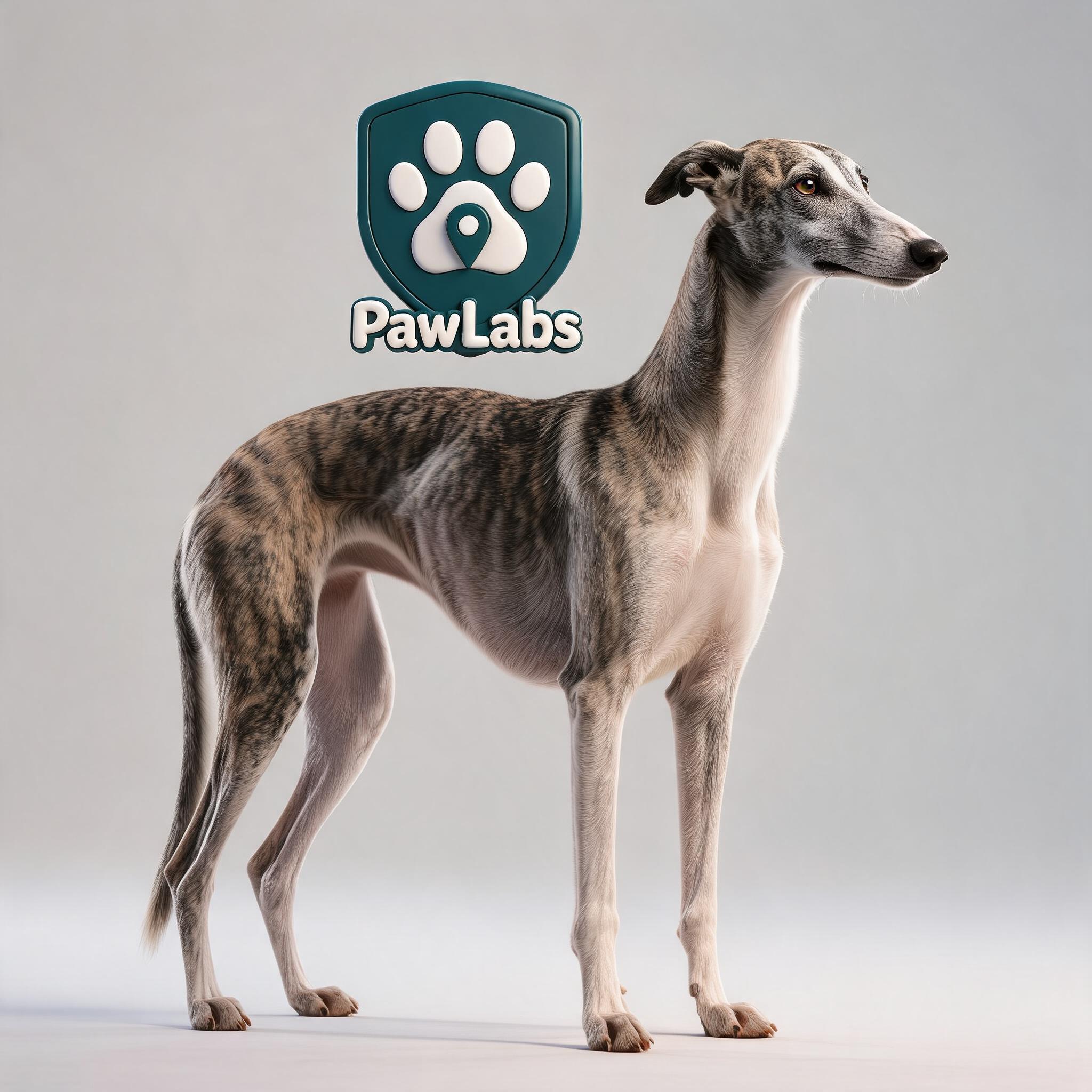
1. Greyhound
Greyhounds fit this profile because their short, fine coat requires almost no upkeep and their moderate energy level matches households that prefer a couple of daily walks rather than intense exercise sessions. Daily life looks like a quick wipe with a damp cloth after outdoor time, then the dog settles on a couch for most of the day. Their low barking tendency keeps noise complaints low in shared buildings.
Care involves two 20- to 30-minute walks plus occasional short sprints in a secure area; no brushing schedule exists and professional grooming is unnecessary. Annual costs stay limited to standard veterinary care and food, with no recurring salon fees. Their short coat sheds lightly year-round but never mats or tangles.
Skip this breed if you need a watchdog that alerts to every visitor; Greyhounds score low in watchdog ability and often remain quiet even when strangers approach. They also need careful introduction to small pets because of their chase instinct.
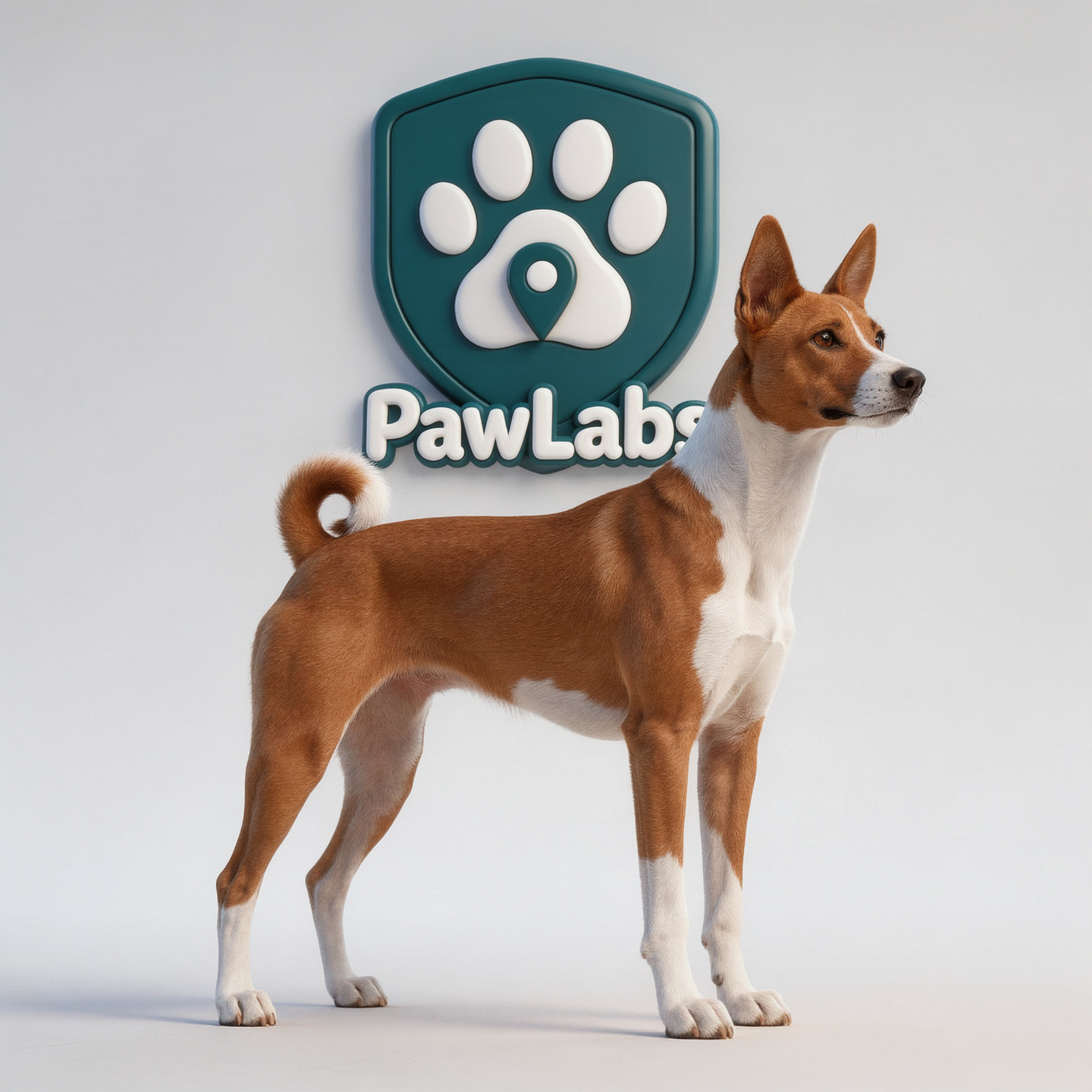
2. Basenji
Basenjis suit owners who want zero grooming because their short coat needs nothing beyond occasional wiping and they produce almost no dog odor. Daily life centers on brief, focused activity periods followed by independent downtime; the dog rarely demands constant interaction. Their extremely low barking replaces typical vocalization with a unique yodel that stays infrequent.
Exercise requires one solid 30-minute walk plus mental games, since the breed’s high intelligence can lead to boredom without outlets. No brushing or clipping is ever needed, and shedding remains minimal. Owners report annual grooming expenses at zero beyond basic bathing if the dog gets dirty outdoors.
Pass on this breed if reliable off-leash recall matters; Basenjis show low trainability and will ignore commands when something interests them. They also remain aloof with strangers and may not tolerate rough child play.
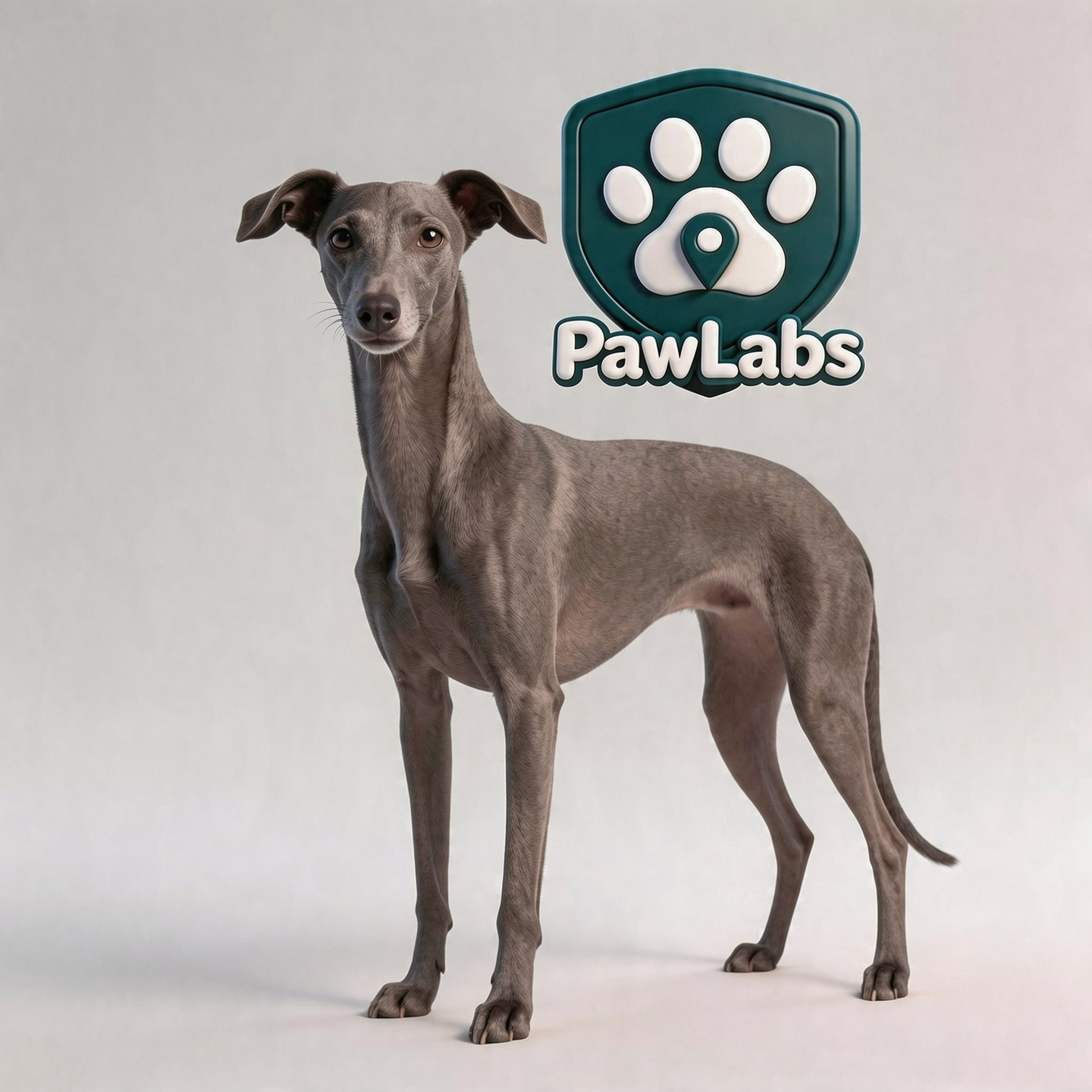
3. Italian Greyhound
Italian Greyhounds work well for low-grooming households because their tiny stature and short coat eliminate any need for professional trimming or frequent brushing. Owners experience a dog that stays clean indoors, requires only light wiping after walks, and forms strong attachments without demanding constant attention. Their moderate energy fits apartment schedules.
Daily care stays simple: two short walks totaling 30 minutes and protection from cold weather with a light coat. No grooming tools or appointments enter the budget. Shedding stays light and the skin rarely needs extra products.
Avoid this breed if you have young children who play vigorously; the small size and thin build make them prone to injury. They also chill easily and need indoor warmth most of the year.
4. American Staffordshire Terrier
American Staffordshire Terriers match the low-grooming goal with a short, stiff coat that never requires clipping or regular brushing. Daily life includes moderate play sessions and family companionship, with the dog content to rest after activity. Their watchdog ability provides security without excessive barking.
Care centers on 45 minutes of daily exercise split between walks and yard play. The coat needs only occasional wiping and sheds lightly. No professional grooming expenses appear in the yearly budget.
Skip this breed if you keep multiple dogs that might fight; the breed shows lower pet friendliness and can become territorial. They also need firm training to manage strength around visitors.
5. Azawakh
Azawakhs deliver minimal grooming because their short coat stays clean with almost no intervention and they shed lightly. Daily life suits active owners who provide structured runs, after which the dog rests independently. Their quiet nature keeps household noise low.
Exercise demands at least 45 to 60 minutes of vigorous activity daily, often in the form of running. Coat maintenance remains nonexistent beyond wiping mud off legs. Owners incur no recurring grooming costs.
Pass if you need a dog that welcomes strangers; Azawakhs show low stranger friendliness and can remain reserved or protective. They also require experienced handling due to high energy and independence.
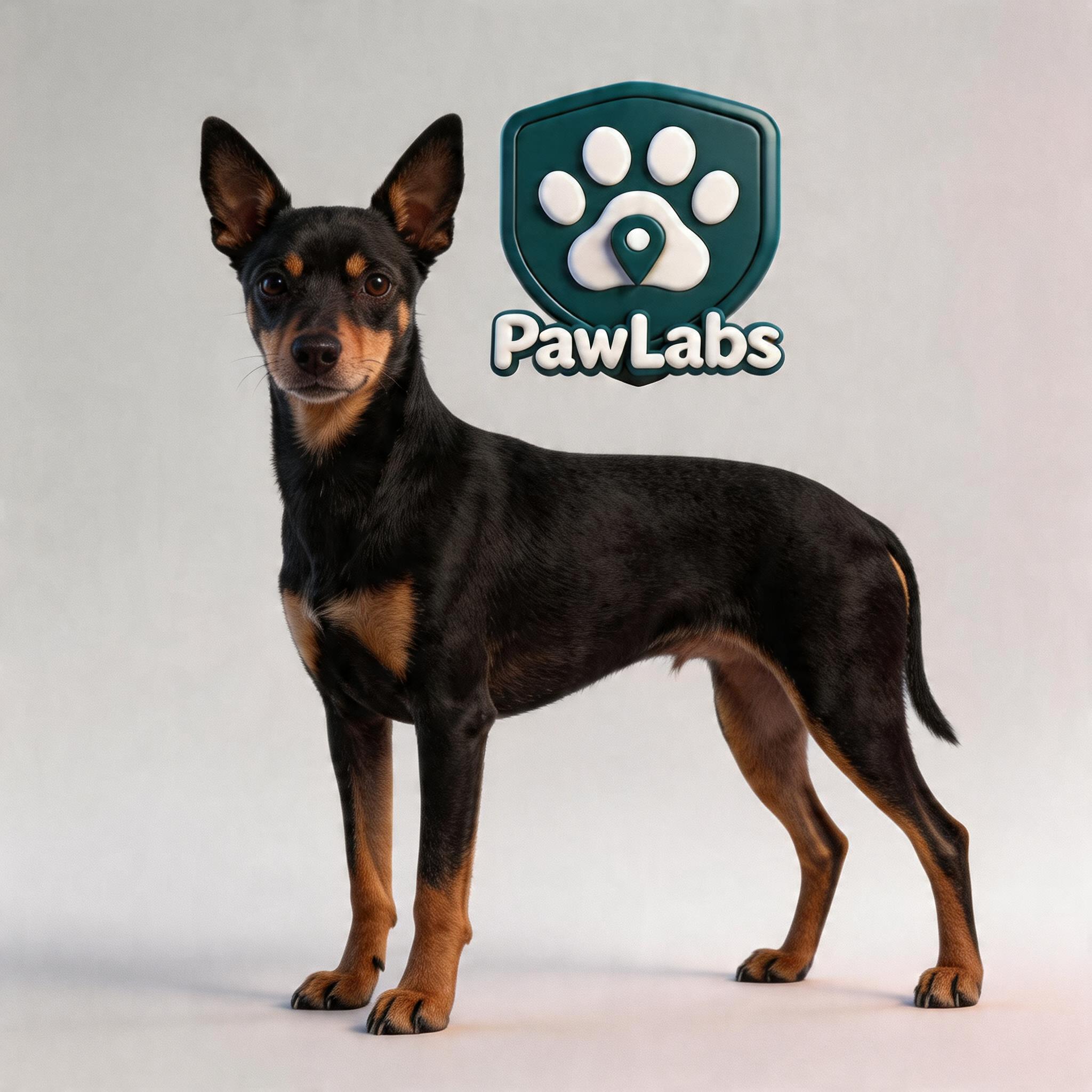
6. Miniature Pinscher
Miniature Pinschers meet the coat requirement with short hair that needs no brushing or salon visits. Daily life involves quick indoor play and short outdoor walks, after which the dog patrols its territory. Their small size reduces space and food costs.
Care requires 40 minutes of daily activity plus mental stimulation to curb boredom. The coat stays clean with occasional wiping and sheds minimally. No grooming appointments factor into expenses.
Skip this breed if barking will cause neighbor issues; Miniature Pinschers bark frequently at sounds and movement. Their high energy and small size also lead to jumping and nipping without consistent boundaries.
How to choose between them
Match the dog’s energy level to your actual daily schedule first. Greyhounds and Italian Greyhounds need the least sustained activity, while Azawakhs and Miniature Pinschers will create problems if walks stay short.
Next weigh household noise tolerance and size constraints. Basenjis stay quietest, whereas Miniature Pinschers and American Staffordshire Terriers add volume or strength that may not suit every living situation.