Choosing a dog when toddlers are underfoot requires prioritizing steady tolerance over flashier traits. Most families discover that high energy or vocal dogs quickly turn daily routines into constant management instead of calm coexistence. The breeds that succeed here maintain even temperaments, respond reliably to training, and avoid startling easily when a child grabs or stumbles nearby. Predictability matters because toddlers move unpredictably; a dog that startles, herds, or barks at every noise adds stress rather than stability. Lower barking levels and solid trainability separate workable options from those that demand constant correction.
Energy must stay moderate so the dog does not need hours of exercise while parents handle nap schedules and meals. Grooming and shedding realities also affect households already managing laundry and toys. Health issues in some large breeds can create unexpected veterinary costs at the same time children require attention. The following ranking weighs these factors directly against the shortlist.
1. Golden Retriever
Golden Retrievers suit homes with toddlers because their high child-friendly scores translate into calm tolerance during play and accidental tugs. You will see a dog that stays relaxed when a child climbs nearby or drops food, rarely reacting with guarding or sudden movement. Daily life involves a steady presence that joins family time on the floor without demanding constant redirection.
Expect two thirty-minute walks daily plus short play sessions inside. Brushing every other day controls the heavy shedding that reaches level eight, and professional grooming every eight weeks keeps mats away. Annual costs for food and basic care run around twelve hundred dollars before any health visits.
Skip this breed if your schedule leaves no room for consistent brushing or if you cannot commit to monitoring a large dog around very young children who still fall frequently. Their size alone can overwhelm cramped spaces.
2. Labrador Retriever
Labrador Retrievers earn the second spot through near-identical child tolerance and strong trainability that produces reliable responses to basic commands. You will notice a dog that waits at doors rather than bolting and accepts handling from small hands without snapping. The breed fits routines where toddlers need a predictable companion during park visits or backyard time.
Plan for forty-five minutes of daily exercise split between walks and fetch. Shedding requires brushing twice weekly and reaches level seven, so frequent vacuuming becomes part of household chores. Food and routine care average eleven hundred dollars yearly.
Pass if higher energy demands more activity than your current schedule allows or if you prefer a quieter dog, since even well-trained Labs can vocalize during excitement.
3. Collie
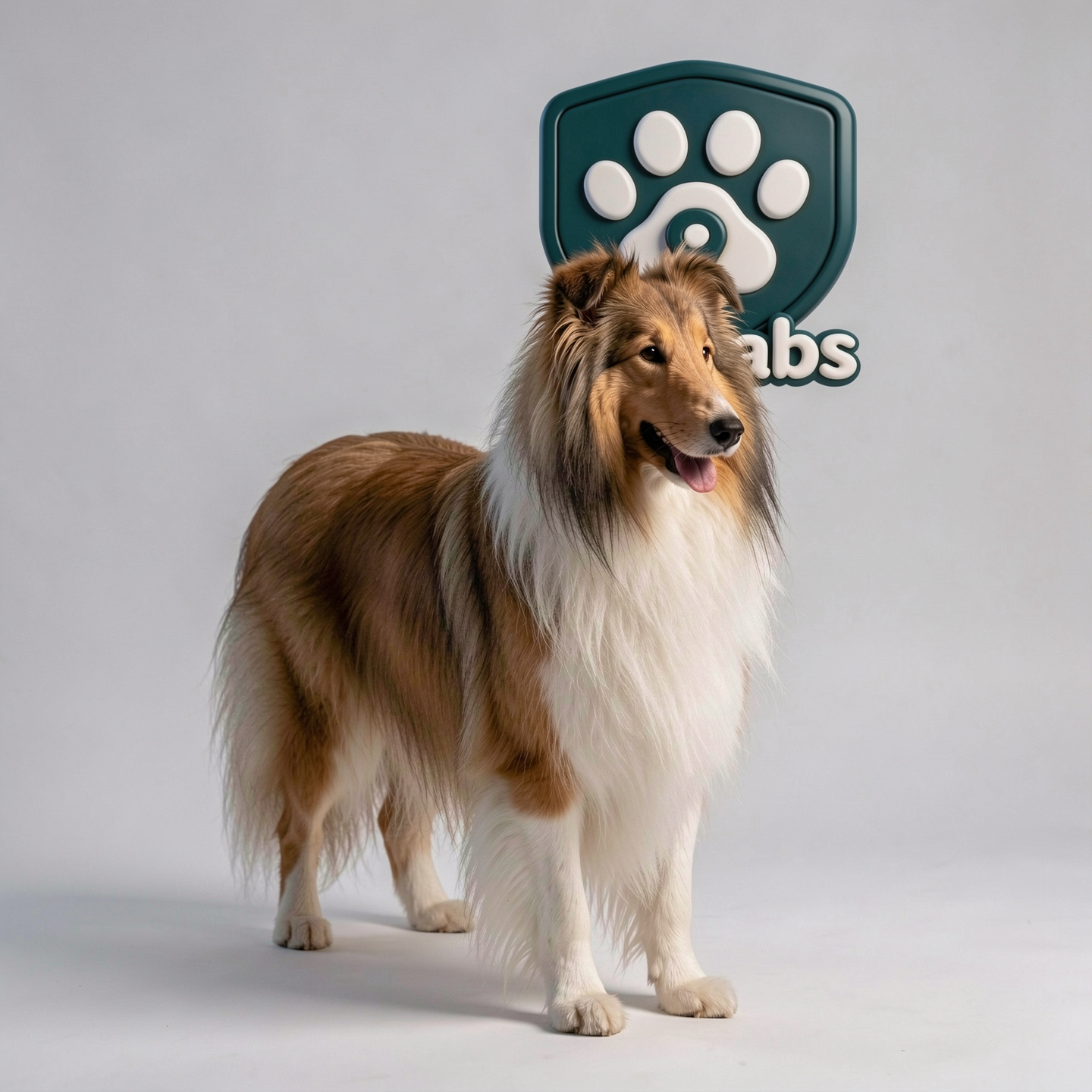
Collies place here for top trainability that creates quick learning of household rules and solid child-friendly scores that support gentle interaction. You will see a medium-sized dog that herds gently if at all and settles predictably after exercise. The breed works when families want an alert yet manageable presence around crawling or walking toddlers.
Daily needs include thirty to forty minutes of moderate activity. Heavy shedding at level eight calls for brushing three times weekly plus seasonal blowouts. Routine costs stay near one thousand dollars annually.
Avoid this breed if barking at level five still feels too frequent for your home or if you dislike the grooming commitment that intensifies during coat changes.
4. Bernese Mountain Dog
Bernese Mountain Dogs rank here due to high affection and child-friendly ratings that produce calm acceptance of toddler contact. You will observe a large dog that moves deliberately and rarely startles, fitting homes that can accommodate size while prioritizing gentle temperament.
Exercise stays at thirty minutes daily to match lower energy. Grooming reaches level seven with weekly brushing, and health concerns at robustness level three often require early joint screenings that add several hundred dollars yearly beyond standard care.
Skip this breed if longevity concerns matter, since shorter lifespans mean facing loss while children are still young, or if space and strength to handle a large adult prove limited.
5. Icelandic Sheepdog
Icelandic Sheepdogs appear in this position because solid child-friendly scores combine with good adaptability, yet higher energy requires more management around toddlers. You will see a dog that stays affectionate but needs clear boundaries to prevent chasing or vocal alerts during playtime.
Daily exercise demands forty-five to sixty minutes. Shedding at level seven needs brushing twice weekly. Annual upkeep averages one thousand dollars.
Pass if barking at level six or elevated energy would disrupt nap times or if you cannot provide consistent training to curb herding instincts.
6. Beagle
Beagles close the list despite decent child-friendly marks because lower trainability and high barking create more unpredictability than the other options. You will encounter a dog that follows scents instead of commands and alerts frequently to household sounds.
Expect thirty to forty minutes of daily walks plus scent work to manage energy at level seven. Shedding reaches level six with weekly brushing. Care costs remain near nine hundred dollars yearly.
Skip this breed if barking at level eight would disturb sleeping children or if inconsistent recall would complicate toddler safety in unfenced areas.
How to choose between them
Start with daily time available for exercise and grooming. Golden and Labrador Retrievers demand the most consistent brushing and activity, while Collies reward higher training investment with calmer outcomes.
If health testing budgets or space constraints appear early, move past Bernese Mountain Dogs toward the medium-sized Collies or Labs that balance tolerance with lower long-term risk.