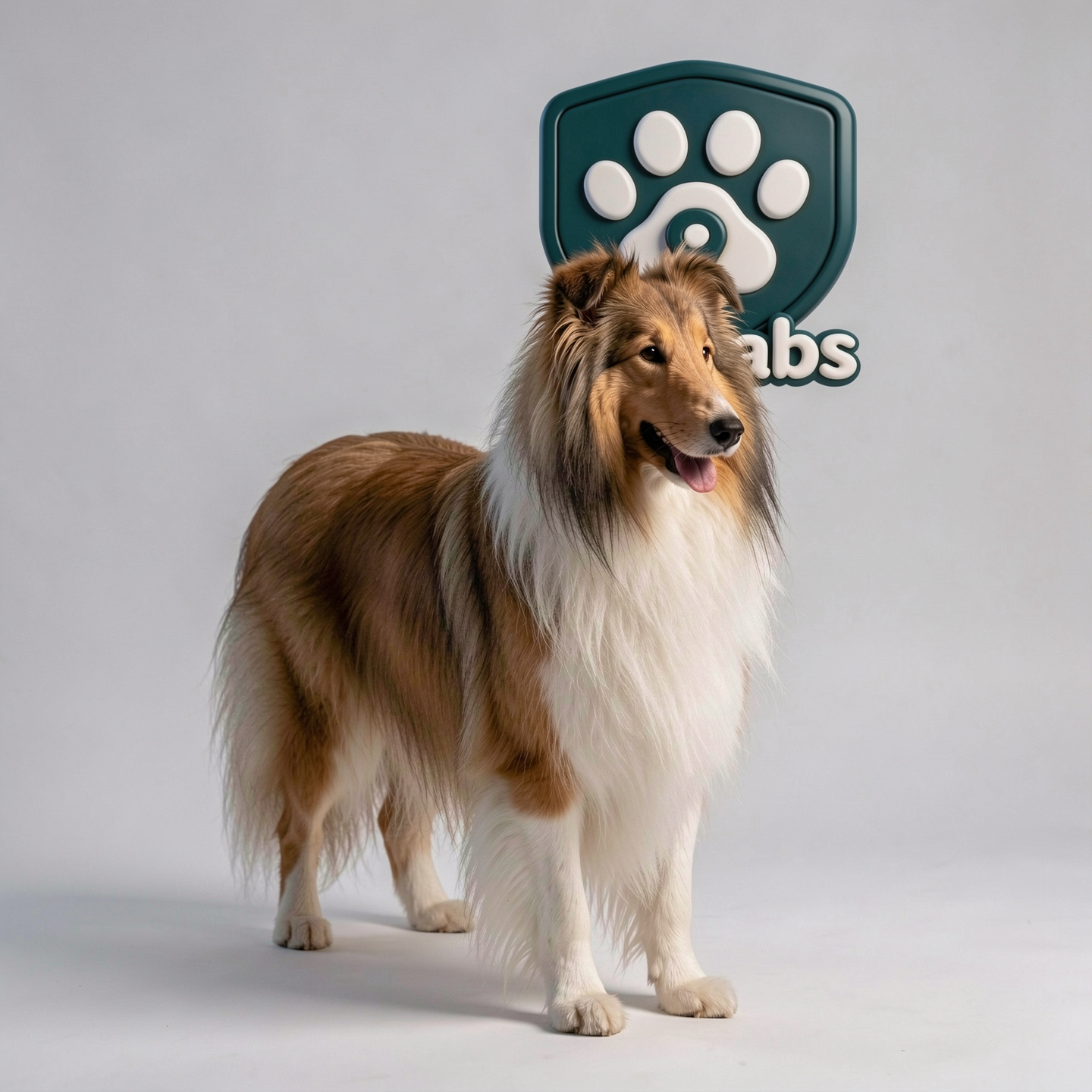
Border Collie vs Collie vs Australian Cattle Dog: Understanding the Differences
These three herding breeds share a working heritage but diverge sharply in daily requirements. Border Collies, Collies, and Australian Cattle Dogs all rate high in intelligence and trainability, yet their energy demands, grooming routines, and protective instincts create distinct living experiences. Prospective owners must weigh concrete factors such as exercise time, coat maintenance, and household noise levels before committing.
Trainability and Intelligence
Border Collies score a perfect 10 in trainability and intelligence. They learn complex commands in fewer repetitions than most breeds and respond quickly to consistent cues. Owners report that a Border Collie will master agility sequences or herding patterns within weeks when training occurs daily. Collies follow closely with a 9 rating. They absorb household rules readily but may pause to assess before obeying. Australian Cattle Dogs rate 8, showing strong problem-solving ability yet displaying more independent streaks during sessions. A Cattle Dog may test boundaries more often, requiring firmer repetition to achieve the same reliability seen in the other two.
Energy Level and Exercise Requirements
Energy ratings reveal the largest gap. Both Border Collies and Australian Cattle Dogs score 9, meaning they need at least two hours of vigorous activity each day. Without structured running or mental tasks, these dogs redirect energy into destructive chewing or excessive pacing indoors. Collies rate only 6 and settle after 60 to 90 minutes of moderate exercise. A Collie will accept a long walk followed by rest, while the other two breeds will remain alert and ready for more work.
Grooming and Shedding
Grooming scores differ noticeably. Australian Cattle Dogs rate 3 for grooming, requiring only occasional brushing and bathing. Their short coat sheds moderately at a 6 rating and resists matting. Border Collies rate 5 for grooming and 6 for shedding. Weekly brushing prevents loose hair buildup, yet owners must expect seasonal heavy shedding. Collies rate 7 for grooming and 8 for shedding. Their longer double coat demands brushing several times weekly to avoid tangles, and heavy shedding occurs twice yearly, depositing noticeable fur throughout the home.
Watchdog Ability and Barking
Watchdog ratings favor the Australian Cattle Dog at 8. This breed alerts promptly to unfamiliar sounds or visitors and maintains a steady presence without constant vocalization. Border Collies and Collies both rate 6. They notice changes but reserve barking for specific triggers. All three breeds score 5 for barking frequency, so none become chronic nuisances when properly exercised and trained. In an apartment, the Cattle Dog may provide earlier warning of hallway activity, while the Collie tends to remain quieter overall.
How They Stack Up Day-to-Day
Daily routines expose practical differences. An Australian Cattle Dog requires minimal coat care but demands intense physical outlets such as fetch sessions or structured herding games before settling. A Border Collie needs both physical and mental challenges; puzzle toys and obedience drills prevent boredom after the morning run. A Collie fits more easily into a moderate schedule, tolerating shorter outings and requiring more frequent brushing to manage its heavier coat.
Apartment living tests adaptability, which all three rate around 6. The Collie adapts best to smaller spaces because of lower energy. Border Collies and Cattle Dogs succeed only when owners commit to multiple daily outings or access to a secure yard for high-speed exercise. Families with young children find Collies more tolerant at an 8 rating, while the other two breeds score 6 and may nip at heels during play due to their herding instincts.
The Lifestyle Match
First-time owners benefit most from the Collie. Its slightly lower energy and high trainability allow new handlers to establish routines without constant management. Experienced owners who run or hike daily can handle the Border Collie or Australian Cattle Dog. Seniors or those with limited mobility should avoid the two high-energy breeds entirely. Busy professionals away nine hours daily will see furniture damage from either the Border Collie or Cattle Dog; the Collie tolerates longer absences better.
Households prioritizing low grooming effort should select the Australian Cattle Dog. Its short coat needs little attention yet still provides moderate shedding. Those who enjoy grooming routines and want a calmer temperament lean toward the Collie despite higher shedding. Watchdog priority points directly to the Australian Cattle Dog.
Our Bottom Line
Each breed delivers distinct trade-offs. The Border Collie offers unmatched trainability paired with relentless energy. The Collie balances affection and moderate needs at the cost of more grooming. The Australian Cattle Dog supplies strong protective instincts and easy coat care while remaining highly driven. Matching these traits to available time and living space determines success more than any marketing description.