Herding breeds bring intense drive and quick minds into homes that often expect calmer companions. Families frequently underestimate the daily mental and physical work these dogs require, leading to frustration when the dog herds children, barks at visitors, or cannot settle without structured activity. The breeds that succeed in family settings combine solid trainability with slightly better adaptability and tolerance for routine household life, while those that fall short demand experienced handling and constant outlets that most households cannot provide.
Everyday family life includes school runs, visitors, other pets, and limited time for structured work. Herding dogs were developed to make independent decisions on large properties, so they often default to controlling movement or alerting to every change. The difference between a workable match and a poor one usually comes down to lower watchdog intensity, higher adaptability scores, and child tolerance that does not require constant management.
1. Bearded Collie
The Bearded Collie offers the most workable balance for families among the group. Its higher adaptability rating means it adjusts to household routines more readily than most herding breeds. Daily life typically involves a morning walk or yard session followed by periods of calm if mental tasks like puzzle toys or short training drills are provided. The breed tolerates children and other pets better than the Belgian lines, reducing the need for constant separation or supervision.
Grooming requires brushing every other day to prevent mats, especially in longer coat areas. Exercise needs run around 60-90 minutes daily, split between walks and play. Veterinary costs remain average for the size, though owners should budget for hip and eye checks common in the breed.
Skip this breed if the household cannot commit to regular brushing or if the preference is for a dog that ignores other animals entirely. The coat also collects debris after outdoor time, which may not suit homes that expect a clean indoor dog without extra effort.
2. Australian Shepherd
The Australian Shepherd fits families that can channel its high energy into consistent activities. It forms strong attachments and generally accepts children when raised with them. Daily routines work best when the dog receives training sessions or agility-style games in addition to walks, keeping it occupied during the hours children are at school.
Coat care involves weekly brushing with extra attention during shedding seasons. Exercise typically requires at least 90 minutes daily. Owners should expect moderate grooming costs and plan for regular nail and ear maintenance to prevent common issues.
This breed is not suitable for homes with very young children who cannot participate in training or for families seeking a low-energy dog. Its herding instinct can emerge as nipping at heels during play, requiring early intervention.
3. Australian Cattle Dog
The Australian Cattle Dog provides loyalty and intelligence that suit active families prepared for its independent streak. It handles structured routines well and can learn household rules quickly with consistent training. Daily life includes firm exercise sessions and jobs such as carrying a backpack on walks to satisfy its working heritage.
Minimal grooming needs make it practical, with occasional brushing sufficient. Energy demands reach 90 minutes or more of vigorous activity most days. Health testing for deafness and joint issues adds to long-term costs.
Skip this breed if the household includes very small children or frequent visitors, as its stranger tolerance is low and it may become protective without extensive socialization.
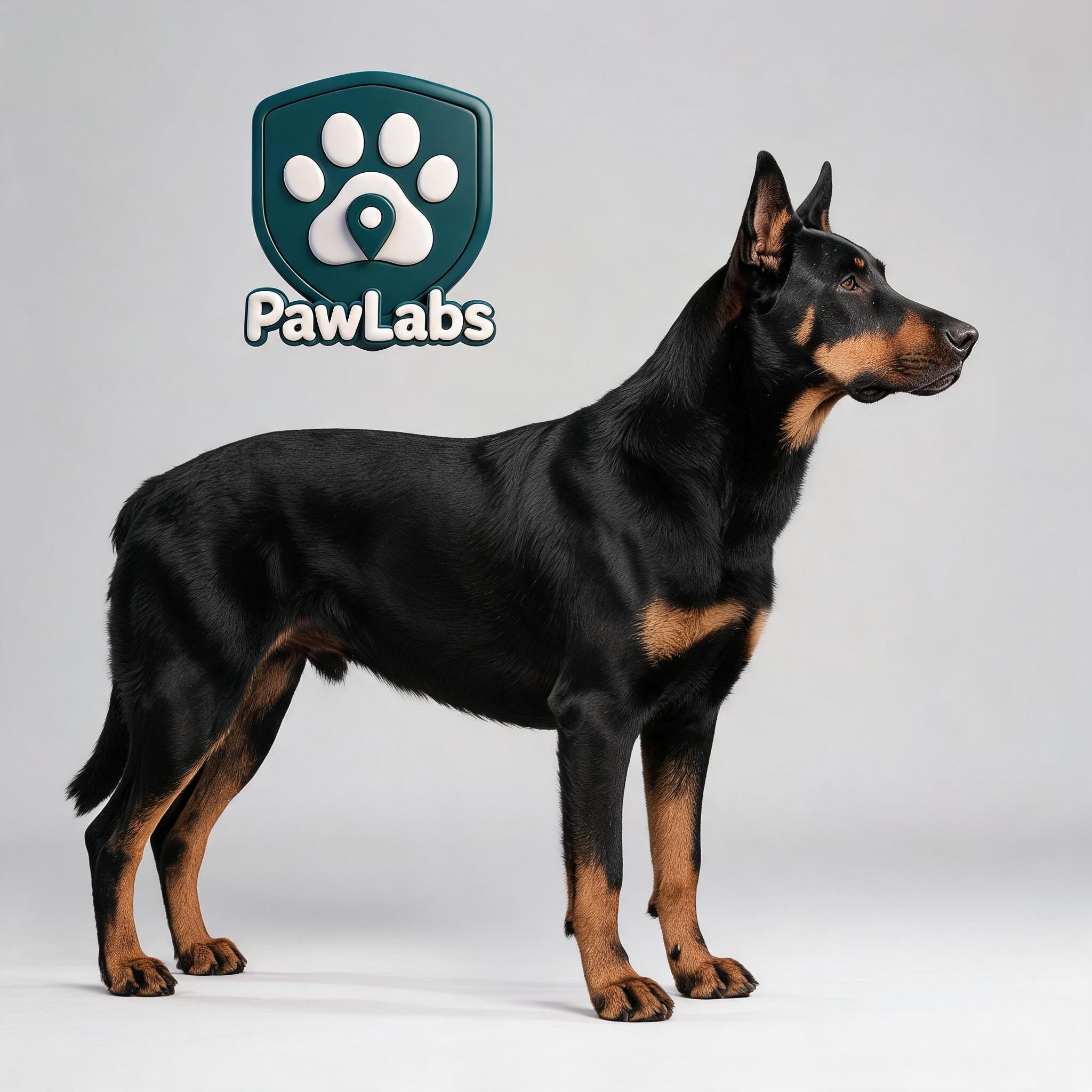
4. Beauceron
The Beauceron brings size and steady temperament that can work in larger family homes. It responds well to training and can settle once its exercise needs are met. Families that provide daily structure often find it integrates without constant conflict.
Short coat care is minimal. Exercise requirements include at least 90 minutes daily plus mental work. Size means higher food and potential medication costs as the dog ages.
This breed is wrong for apartments or homes without space for a large dog to move. Its watchdog drive can become excessive without experienced handling.
5. Belgian Sheepdog
The Belgian Sheepdog offers high trainability that families with older children can use for sports or advanced obedience. It forms close bonds but requires clear boundaries from the start.
Coat care involves brushing several times weekly. Daily exercise needs exceed 90 minutes with variety to prevent boredom. Long-term health monitoring for hip and eye conditions is standard.
Avoid this breed if the home has young children or limited time for intensive training, as its energy and intensity can overwhelm less structured households.
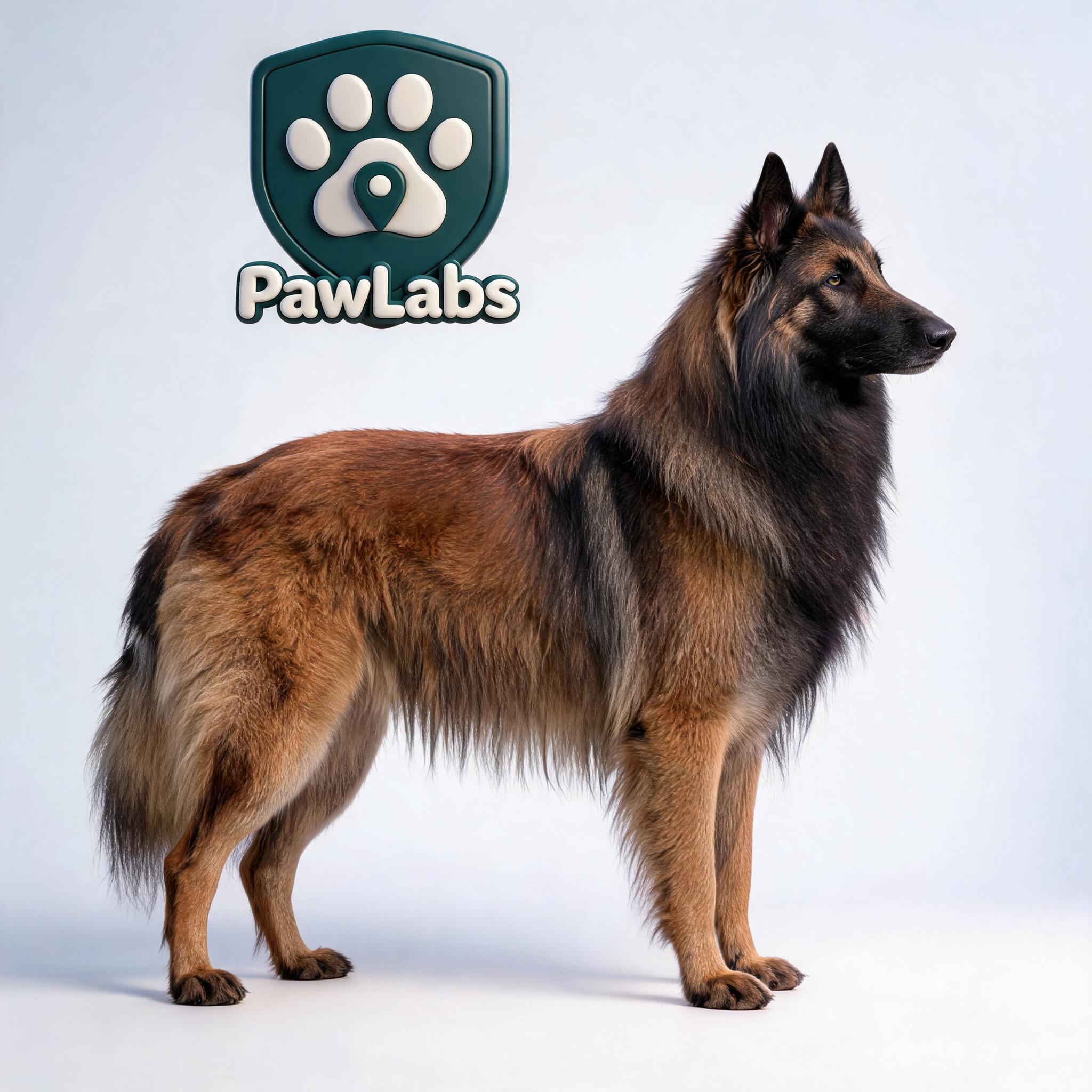
6. Belgian Tervuren
The Belgian Tervuren shares the high intelligence of the Belgian lines and can excel when given clear jobs. Families that compete in dog sports often find it rewarding, though daily life demands consistent leadership.
Grooming needs are higher due to the coat, requiring regular brushing. Exercise and mental stimulation must total at least two hours daily. Veterinary expenses rise with the need for breed-specific screenings.
This dog does not suit homes seeking a relaxed pet or those unable to maintain firm training routines.
7. Belgian Laekenois
The Belgian Laekenois brings the same drive as other Belgians in a rough coat that requires less meticulous care. It can fit active families that prioritize protection instincts alongside companionship.
Exercise needs remain high with daily structured work. Coat maintenance is moderate compared with longer Belgian varieties. Size and energy mean planning for space and time.
Skip this breed for households with visitors or young children, as its stranger tolerance is low and protective tendencies strong.
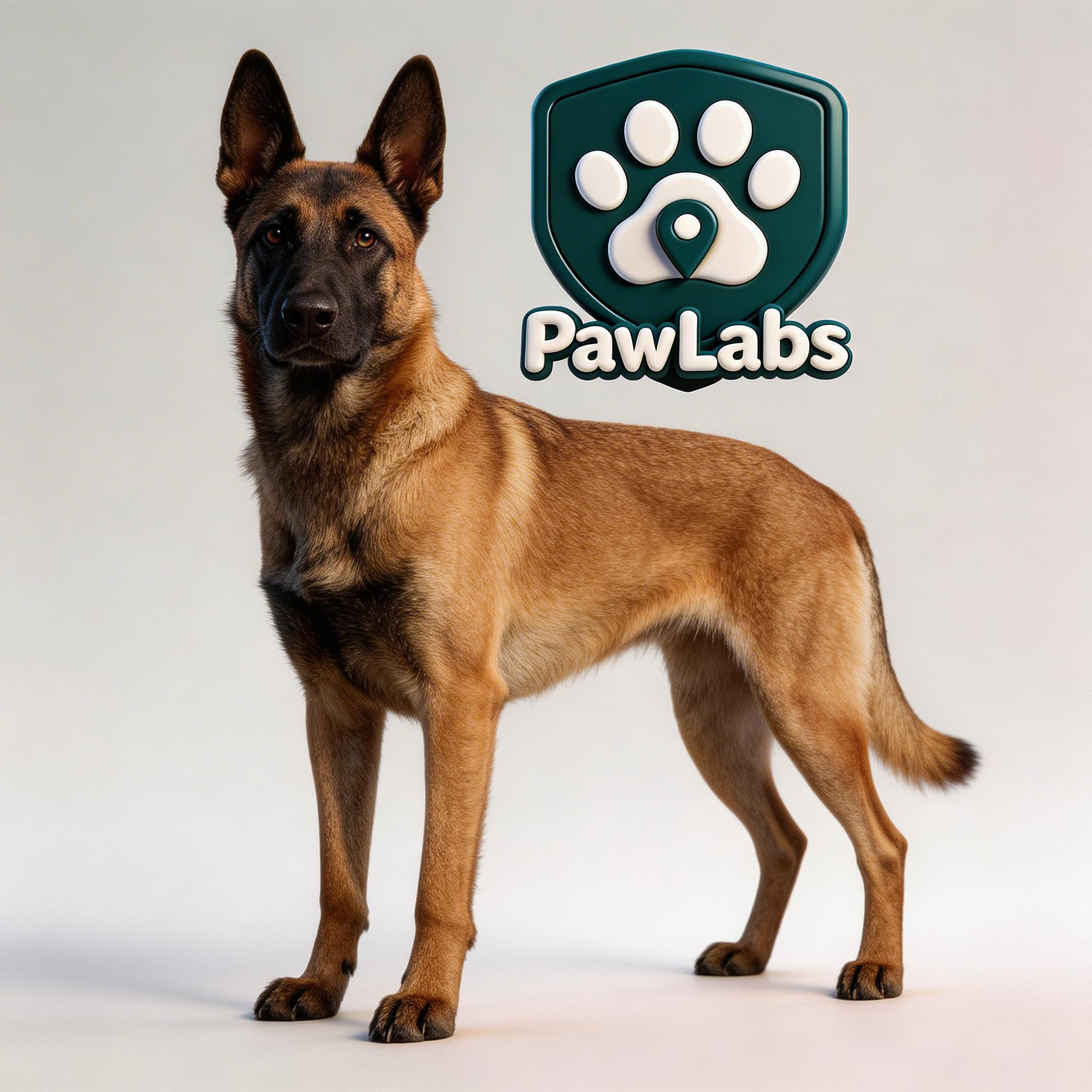
8. Belgian Malinois
The Belgian Malinois ranks last for typical family life because its intensity and low tolerance for strangers or young children create frequent management challenges. It excels only when the household treats it as a working partner rather than a pet.
Exercise and training requirements exceed two hours daily. Coat care is minimal, but the dog's drive leads to destructive behavior without outlets. Professional guidance is often necessary for safe integration.
Most families should avoid this breed entirely unless they have prior experience with working lines and can provide constant structure.
How to choose between them
Start with the Bearded Collie or Australian Shepherd if the household includes children and moderate time for grooming and exercise. Move to the Cattle Dog or Beauceron only when daily vigorous activity is already part of the routine and the family can handle firmer watchdog tendencies.
Any Belgian breed should be chosen last and only after confirming the ability to provide two hours of daily work plus experienced handling. Measure available time and space honestly before committing to any of these dogs.